Artificial Intelligence and Machine Learning: Transforming the Future of Technology
Artificial Intelligence (AI) and Machine Learning (ML) are at the forefront of technological innovation, enabling systems to learn, adapt, and make intelligent decisions. This article explores their impact, applications, challenges, and future potential across industries.
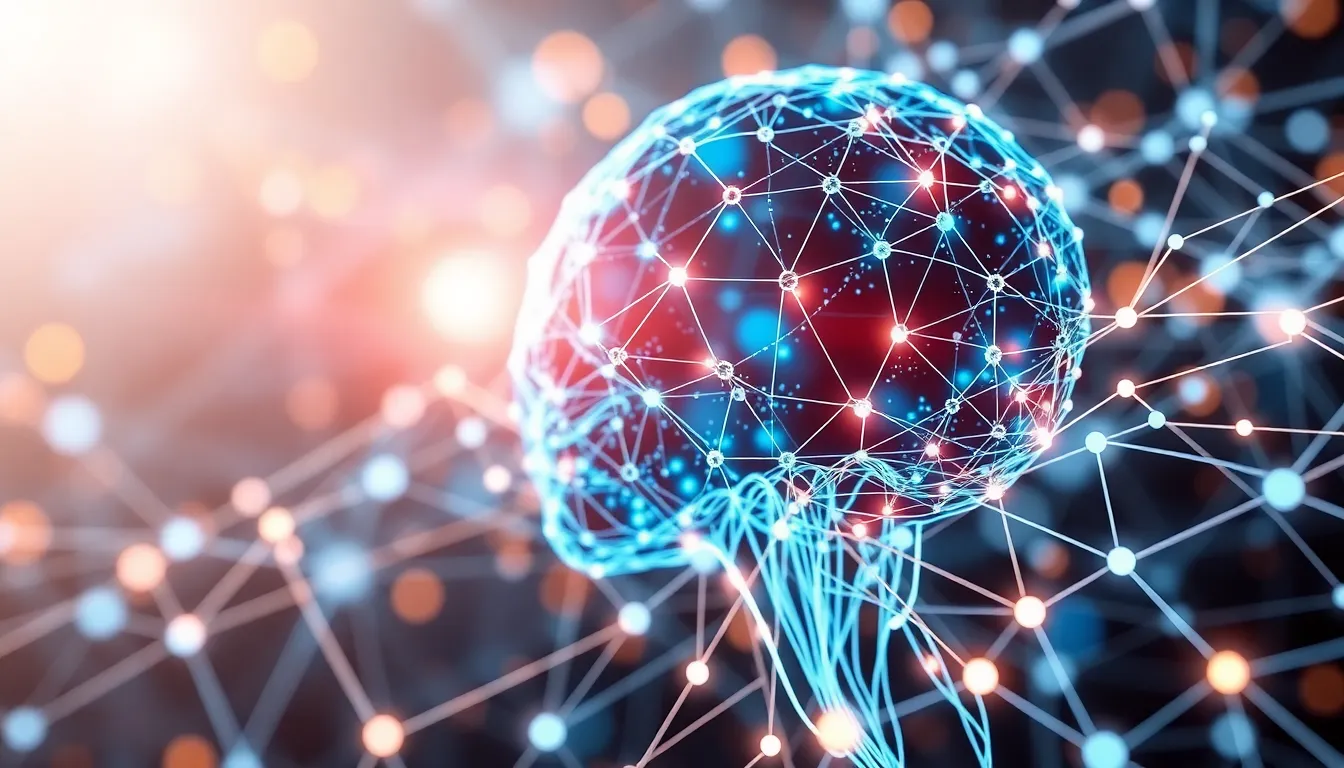
Artificial Intelligence (AI) and Machine Learning (ML) have rapidly become two of the most influential technologies shaping the modern world. From personalized recommendations on streaming platforms to autonomous vehicles and intelligent virtual assistants, AI and ML are embedded in everyday life. As part of the broader technology landscape, they represent a transformative force that continues to redefine how systems operate, interact, and evolve.
Artificial Intelligence refers to the ability of machines to simulate human intelligence. This includes tasks such as reasoning, problem-solving, understanding language, and recognizing patterns. Machine Learning, a subset of AI, focuses specifically on enabling machines to learn from data without being explicitly programmed. Instead of following predefined rules, ML algorithms improve their performance over time by analyzing data and identifying patterns.
One of the key drivers behind the success of AI and ML is the availability of large volumes of data. In today’s digital environment, vast amounts of information are generated every second through online interactions, sensors, and connected devices. This data provides the foundation for training machine learning models, allowing them to make accurate predictions and decisions. As data continues to grow, the potential for AI and ML applications expands significantly.
There are several types of machine learning, each suited to different types of problems. Supervised learning involves training a model on labeled data, where the desired output is known. This approach is commonly used in applications such as image recognition and spam detection. Unsupervised learning, on the other hand, deals with unlabeled data and focuses on identifying hidden patterns or structures. Clustering and anomaly detection are typical use cases. Reinforcement learning, another important category, involves training models through trial and error, where they learn to make decisions by receiving rewards or penalties based on their actions.
Deep learning, a more advanced subset of machine learning, uses artificial neural networks inspired by the human brain. These networks consist of multiple layers that process data in increasingly complex ways. Deep learning has been particularly successful in areas such as natural language processing, computer vision, and speech recognition. Technologies like voice assistants and facial recognition systems rely heavily on deep learning models.
The applications of AI and ML are vast and span multiple industries. In healthcare, AI is used for diagnosing diseases, predicting patient outcomes, and personalizing treatment plans. Machine learning models can analyze medical images with high accuracy, assisting doctors in identifying conditions such as cancer at early stages. In finance, AI helps detect fraudulent transactions, assess credit risk, and automate trading strategies. Retail businesses use AI to recommend products, optimize inventory, and enhance customer experiences.
In the transportation sector, AI plays a crucial role in the development of autonomous vehicles. These systems rely on machine learning algorithms to process data from sensors, cameras, and radar to make real-time driving decisions. Similarly, in manufacturing, AI-powered robots and predictive maintenance systems improve efficiency and reduce downtime.
Despite its many advantages, the adoption of AI and ML also presents several challenges. One of the primary concerns is data privacy. As systems rely heavily on data, ensuring that sensitive information is protected is essential. Regulations and ethical guidelines must be established to prevent misuse of data and maintain user trust.
Another challenge is the issue of bias in AI models. Since machine learning systems learn from data, they can inherit biases present in the training data. This can lead to unfair or inaccurate outcomes, particularly in sensitive applications such as hiring or law enforcement. Addressing bias requires careful data selection, model evaluation, and ongoing monitoring.
The complexity of AI systems is another factor to consider. Developing and deploying machine learning models requires specialized skills and resources. Additionally, many AI models, particularly deep learning systems, are often seen as “black boxes” because their decision-making processes are not easily interpretable. Improving transparency and explainability is an important area of ongoing research.
Looking ahead, the future of AI and ML is both exciting and challenging. Advances in computing power, data availability, and algorithm design will continue to drive innovation. Emerging trends such as explainable AI, federated learning, and edge AI are expected to address current limitations and expand the scope of applications.
Explainable AI focuses on making AI systems more transparent and understandable, allowing users to trust and interpret their decisions. Federated learning enables models to be trained across multiple devices without sharing raw data, enhancing privacy and security. Edge AI brings computation closer to the data source, reducing latency and enabling real-time decision-making in applications such as IoT devices and autonomous systems.
Furthermore, the integration of AI with other technologies such as blockchain and cloud computing will open new possibilities. For example, combining AI with blockchain can enhance data security and transparency, while cloud platforms provide the infrastructure needed to scale AI applications efficiently.
The impact of AI and ML extends beyond technology and into society as a whole. These technologies have the potential to improve quality of life, increase productivity, and solve complex global challenges. However, they also raise important questions about employment, ethics, and governance. As automation increases, certain jobs may become obsolete, requiring workers to adapt and acquire new skills.
In conclusion, Artificial Intelligence and Machine Learning are central to the future of technology. Their ability to learn from data, automate processes, and make intelligent decisions has transformed industries and will continue to do so in the years to come. While challenges such as privacy, bias, and complexity must be addressed, the potential benefits far outweigh the risks. By investing in research, fostering ethical practices, and promoting collaboration, society can harness the power of AI and ML to create a smarter, more efficient, and more inclusive world.