Artificial Intelligence in the Workplace: How AI is Transforming the Way We Work
Artificial Intelligence (AI) is rapidly changing the workplace by automating tasks, improving decision-making, and reshaping job roles. From chatbots to data analysis tools, AI is becoming a powerful partner in modern work environments.
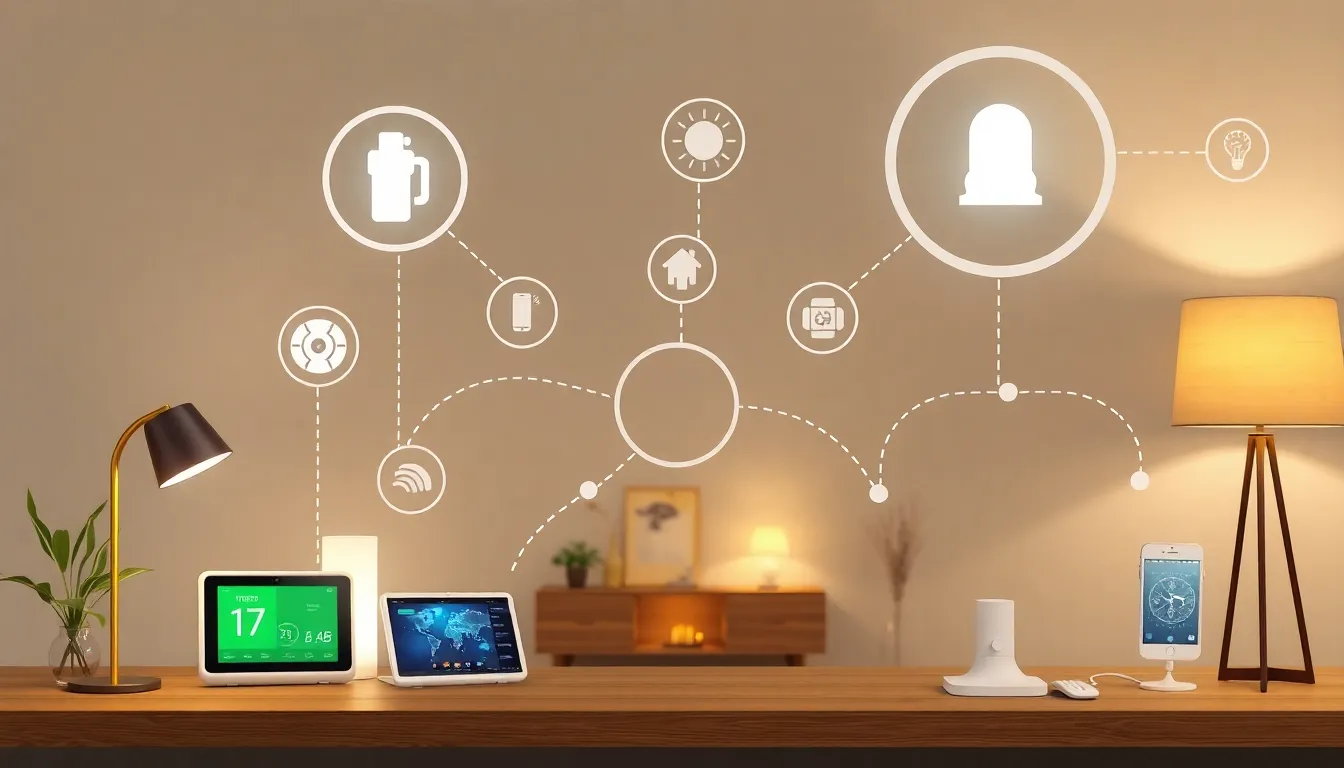
Artificial Intelligence, often called AI, is no longer something we only see in science fiction movies. It has quietly become a part of our everyday work life. From scheduling meetings to analyzing huge amounts of data, AI is changing how businesses operate and how people perform their jobs.
At its core, AI in the workplace means using smart machines and software that can think, learn, and make decisions—sometimes even faster and more accurately than humans. But instead of replacing people completely, AI is mostly being used to assist humans and make work easier.
What is Artificial Intelligence in the Workplace?
Artificial Intelligence in the workplace refers to the use of computer systems that can perform tasks that usually require human intelligence. These tasks include problem-solving, learning from data, understanding language, and recognizing patterns.
In simple terms, AI acts like a digital assistant that helps employees work faster and smarter.
For example:
A chatbot answering customer questions Software that predicts sales trends Tools that automatically sort emails or documents Systems that detect fraud in banking transactions
These are all real-world uses of AI at work.
How AI is Changing Everyday Work
AI is slowly reshaping almost every industry. Whether you work in healthcare, marketing, finance, or education, AI is likely already part of your workflow.
- Automating Repetitive Tasks
Many jobs involve repetitive tasks like data entry, scheduling, or sorting information. AI can handle these tasks quickly and without errors, freeing employees to focus on more creative or meaningful work.
- Improving Decision-Making
AI systems can analyze massive amounts of data in seconds. This helps companies make better decisions based on facts rather than guesswork. For example, businesses can understand customer behavior or predict market trends more accurately.
- Enhancing Customer Service
Chatbots and virtual assistants can answer customer questions 24/7. This improves response time and allows human employees to focus on more complex issues.
- Supporting Creativity
AI tools can help designers, writers, and marketers generate ideas, create content, and even suggest improvements. Instead of replacing creativity, AI often enhances it.
Real-World Examples of AI at Work
AI is already deeply integrated into modern workplaces. Here are some common examples:
Human Resources
AI helps companies screen job applications, schedule interviews, and even analyze employee performance.
Marketing
AI tools analyze customer behavior and help create personalized advertisements that are more effective.
Healthcare
Doctors use AI to analyze medical scans, detect diseases early, and recommend treatment options.
Finance
Banks use AI to detect fraud, manage risks, and provide financial advice to customers.
Manufacturing
Factories use AI-powered robots to improve production speed and reduce errors.
Benefits of AI in the Workplace
AI brings many advantages to both businesses and employees:
Increased Productivity
Tasks that used to take hours can now be done in minutes.
Cost Efficiency
Automation reduces the need for manual labor in repetitive tasks, helping companies save money.
Better Accuracy
AI reduces human errors, especially in data-heavy work.
Faster Decision-Making
Real-time data analysis helps leaders make quicker and smarter decisions.
Improved Employee Experience
Employees can focus on more meaningful and creative work instead of boring repetitive tasks.
Challenges of AI in the Workplace
While AI has many benefits, it also comes with challenges that need attention.
Job Concerns
One of the biggest fears is that AI might replace human jobs. While some roles may disappear, new jobs are also being created that require human-AI collaboration.
Skill Gaps
Workers need to learn new skills to work with AI tools, which can be challenging for some employees.
Data Privacy
AI systems often rely on large amounts of data, raising concerns about privacy and security.
Dependence on Technology
Over-reliance on AI can sometimes reduce human judgment or critical thinking.
The Changing Role of Humans
Instead of replacing humans, AI is changing the nature of work. Many jobs are evolving rather than disappearing.
In the future, employees will likely:
Work alongside AI systems Focus more on creativity, strategy, and emotional intelligence Spend less time on repetitive tasks Learn how to manage and guide AI tools
In other words, humans and AI will work as a team rather than competitors.
The Future of AI in the Workplace
The future of AI in the workplace looks very promising. As technology improves, AI will become even more intelligent and helpful.
We may see:
Fully automated offices handling routine tasks AI-powered personal assistants for every employee Smarter hiring systems that reduce bias Real-time translation tools for global teams Advanced collaboration between humans and machines
However, the key will be balance—using AI to support humans, not replace them entirely.
Conclusion
Artificial Intelligence is not just a trend—it is a major shift in how the world works. It is helping businesses become more efficient, improving productivity, and changing job roles across industries.
While there are challenges to overcome, AI also opens the door to exciting opportunities. The future workplace will likely be a space where humans and intelligent machines work together, combining creativity with technology.
In the end, AI is not about replacing people—it is about empowering them to do more, achieve more, and work smarter than ever before.