Beat the Bloat: Your Guide to Natural Relief
That uncomfortable, swollen feeling after a meal? We’ve all been there. Good news: you can often beat the bloat using simple, natural strategies.
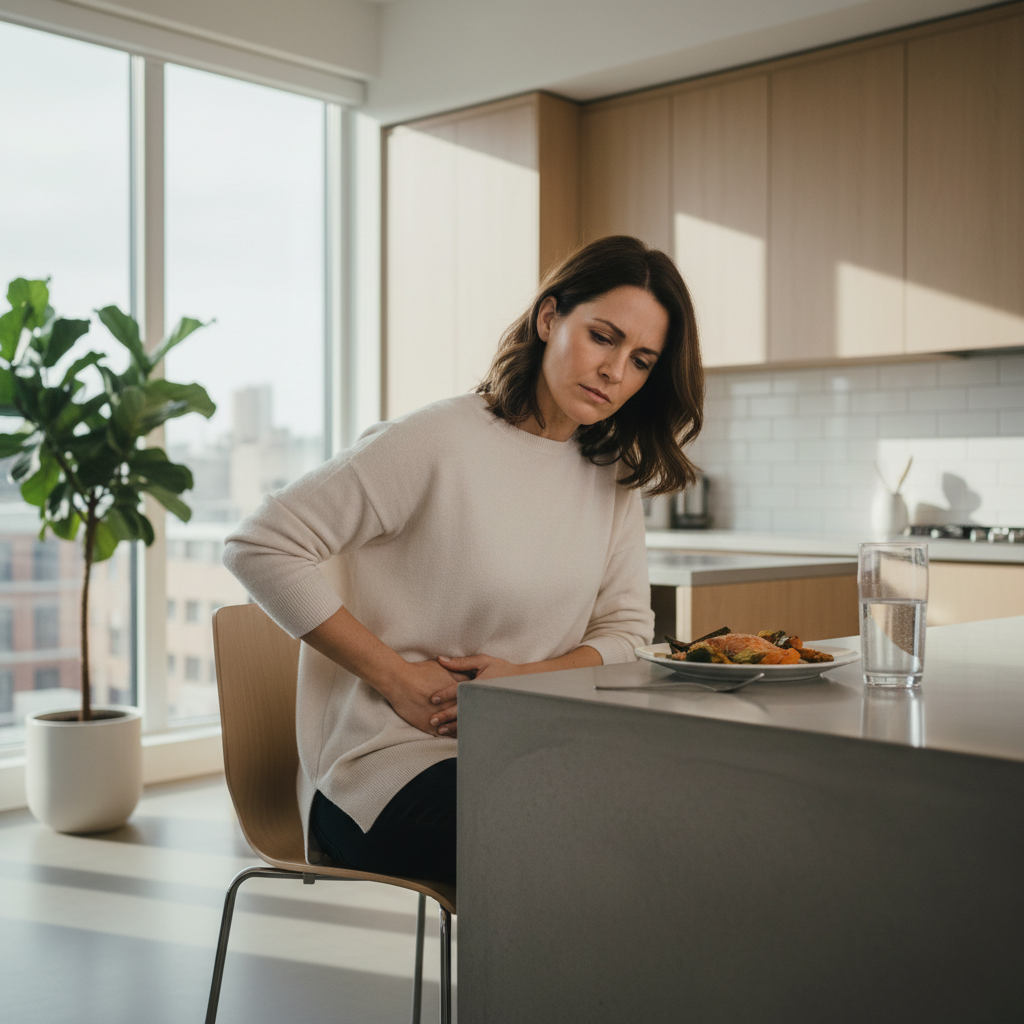
You know the feeling. One minute you're enjoying a perfectly normal meal, maybe a salad, maybe something a little richer. The next, your stomach feels like a balloon, your jeans are suddenly too tight, and all you want to do is unbutton everything and lie down. Bloating. It's not just uncomfortable; it can be downright disruptive. And it's incredibly common, affecting up to 30% of Americans regularly, according to a recent survey by the American College of Gastroenterology.
But here's the thing: while sometimes it signals an underlying issue, often that puffy sensation is just your body reacting to something in your diet or how you're eating. The good news? A lot of the time, you can tackle it with simple, natural adjustments. You don't always need a fancy pill; sometimes, a few thoughtful changes can make all the difference.
Key Takeaways:
- Slow down your eating and chew thoroughly to reduce swallowed air.
- Identify and limit common trigger foods like certain dairy, legumes, and artificial sweeteners.
- Stay hydrated and incorporate specific herbs like ginger and peppermint for relief.
- Consider gentle movement, like a short walk, to aid digestion after meals.
- Manage stress, as it directly impacts your digestive system's efficiency.
Let's start with the basics, the stuff we often overlook in our fast-paced lives. When was the last time you truly savored a meal, chewing each bite until it was almost liquid? Probably not recently. That's a huge part of the problem for many. When you eat quickly, you swallow a lot of air. That air gets trapped, leading to distension. "Think of it like blowing up a small balloon inside your stomach," explains Dr. Anya Sharma, a gastroenterologist at Mount Sinai Hospital in New York. "The more air you gulp down, the bigger that balloon gets. Taking your time, putting your fork down between bites – it's surprisingly effective."
And it's not just about speed. What you're putting on your plate matters, a lot. Certain foods are notorious bloat-inducers. We're talking about things like fizzy drinks, which introduce gas directly. Then there's the fiber issue. While fiber is crucial for gut health, a sudden increase or consuming certain types in large quantities can lead to gas production as your gut bacteria get to work. Legumes (beans, lentils) and some cruciferous vegetables (broccoli, cabbage) are classic culprits. It doesn't mean you should avoid them entirely, but perhaps introduce them slowly, or cook them in ways that make them easier to digest, like soaking beans overnight.
Dairy is another big one for many. Lactose intolerance isn't rare; it's quite common, affecting about 68% of the world's population. If you experience bloating, gas, or discomfort after consuming milk, cheese, or yogurt, try a two-week dairy elimination and see how you feel. You might be surprised. You can learn more about food sensitivities and gut health here.
Artificial sweeteners are sneaky. Sorbitol, mannitol, xylitol – these are often found in sugar-free gums, candies, and diet drinks. Your body struggles to digest them, and gut bacteria feast on them, producing gas. Cut them out, or at least significantly reduce them, and you might notice a remarkable difference.
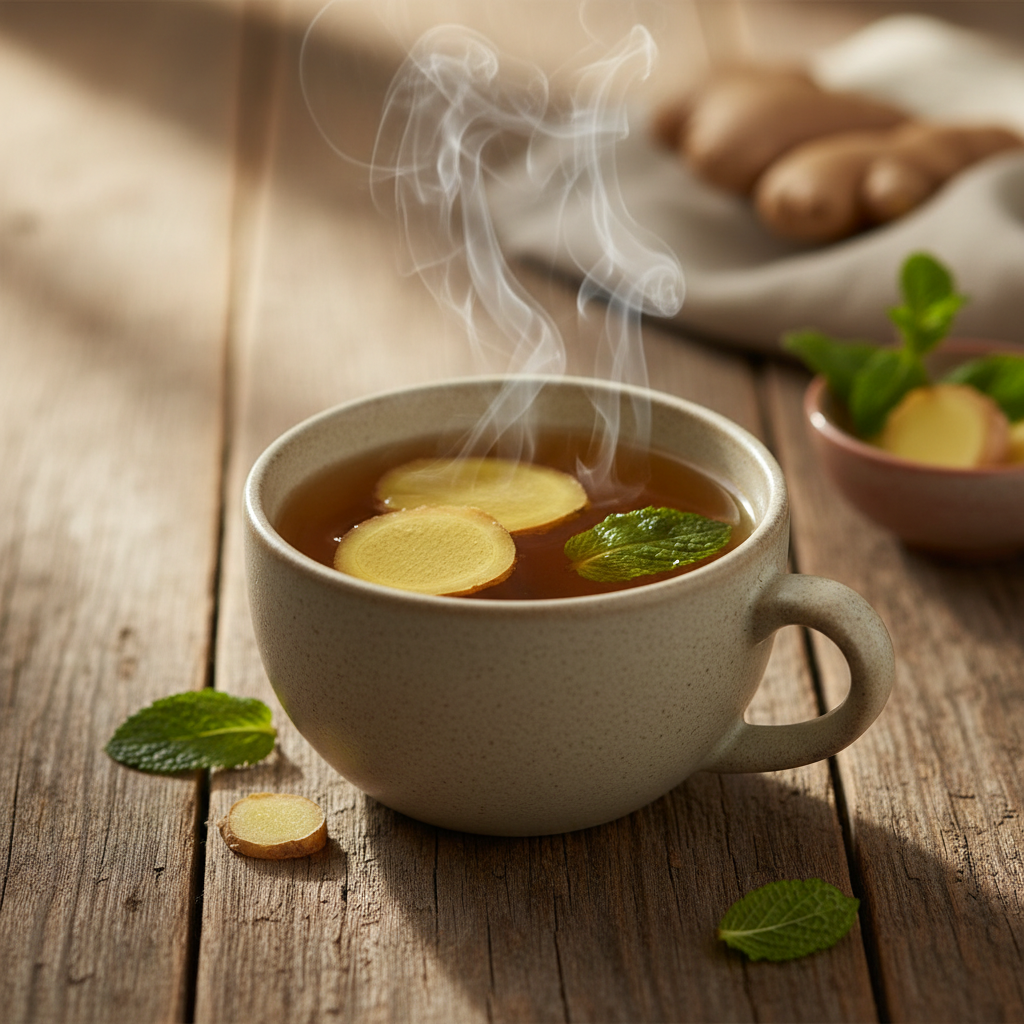
Hydration is paramount, but not just any hydration. Guzzling water during a meal can sometimes dilute digestive enzymes, making digestion less efficient. Aim to drink water throughout the day, between meals. And speaking of liquids, herbal teas can be your best friend. Peppermint tea, for instance, is a well-known antispasmodic, meaning it can help relax the muscles of your digestive tract, easing gas and cramps. Ginger tea is another fantastic option; ginger has potent anti-inflammatory properties and can help move things along in your gut. Just a cup after a meal can make a real difference for some people.
Movement. Yeah, I know. When you're bloated, the last thing you want to do is move. But a gentle stroll after eating can do wonders. It helps stimulate your digestive system, encouraging trapped gas to pass. You don't need a marathon; even a 15-20 minute walk around the block can be incredibly beneficial. "It's a simple mechanism," says Dr. Marcella Evans, a naturopathic doctor based in Oregon. "Gravity and gentle muscle contractions help push things through. It's one of the oldest tricks in the book for digestive comfort."
And let's not forget stress. Our gut and brain are intimately connected – it's often called the 'gut-brain axis.' When you're stressed, your body diverts resources away from digestion, slowing things down and making you more prone to bloating. Incorporating stress-reducing techniques, whether it's mindful breathing for a few minutes a day, yoga, or just making time for a relaxing hobby, can have a profound impact on your digestive health. It's not just about what you eat, but how you live. Explore more on the connection between mind and body here.
If you're finding that these natural methods aren't cutting it, and your bloating is persistent, severe, or accompanied by other symptoms like weight loss, blood in your stool, or chronic pain, then it's absolutely time to see a doctor. While many cases are benign and manageable with lifestyle changes, bloating can sometimes be a symptom of more serious conditions like Celiac disease, Irritable Bowel Syndrome (IBS), or even certain cancers. Don't self-diagnose for too long if you're truly concerned.
For most people, though, a bit of mindfulness around eating, some smart food choices, and a dash of herbal wisdom can go a long way in deflating that uncomfortable feeling. It's about tuning into your body, understanding its signals, and giving it what it needs to function smoothly. It's not complicated, but it does require a little attention. And trust me, feeling lighter and more comfortable is worth every bit of it.
Frequently Asked Questions:
- How quickly can I expect natural remedies to work for bloating? Many natural remedies, like peppermint tea or a short walk, can offer relief within 30 minutes to a couple of hours. Dietary changes, like avoiding trigger foods, might take a few days to show significant improvement as your digestive system adjusts.
- Are there any natural supplements that help with bloating? Some people find relief with digestive enzymes taken with meals, or probiotics to support a healthy gut microbiome. Always consult with a healthcare professional before starting any new supplement, especially if you have existing health conditions.
- Can certain cooking methods reduce bloat-inducing effects? Absolutely. Soaking and sprouting legumes can reduce their gas-producing compounds. Cooking vegetables thoroughly, rather than eating them raw, can also make them easier to digest for many individuals. Steaming or baking is often better than frying.
- What's the difference between bloating and water retention? Bloating specifically refers to the accumulation of gas in the digestive tract, making your abdomen feel full and tight. Water retention, or edema, is when excess fluid builds up in the body's tissues, often causing swelling in the hands, feet, and ankles, and can be related to hormonal changes or high sodium intake. While uncomfortable, they are distinct issues.