Climate Change and Global Cooperation: How the World Must Work Together for a Sustainable Future
Climate Change and Global Cooperation are deeply connected as rising global temperatures, extreme weather, and environmental damage require nations to work together. This global challenge demands shared responsibility, innovation, and long-term commitment from all countries.
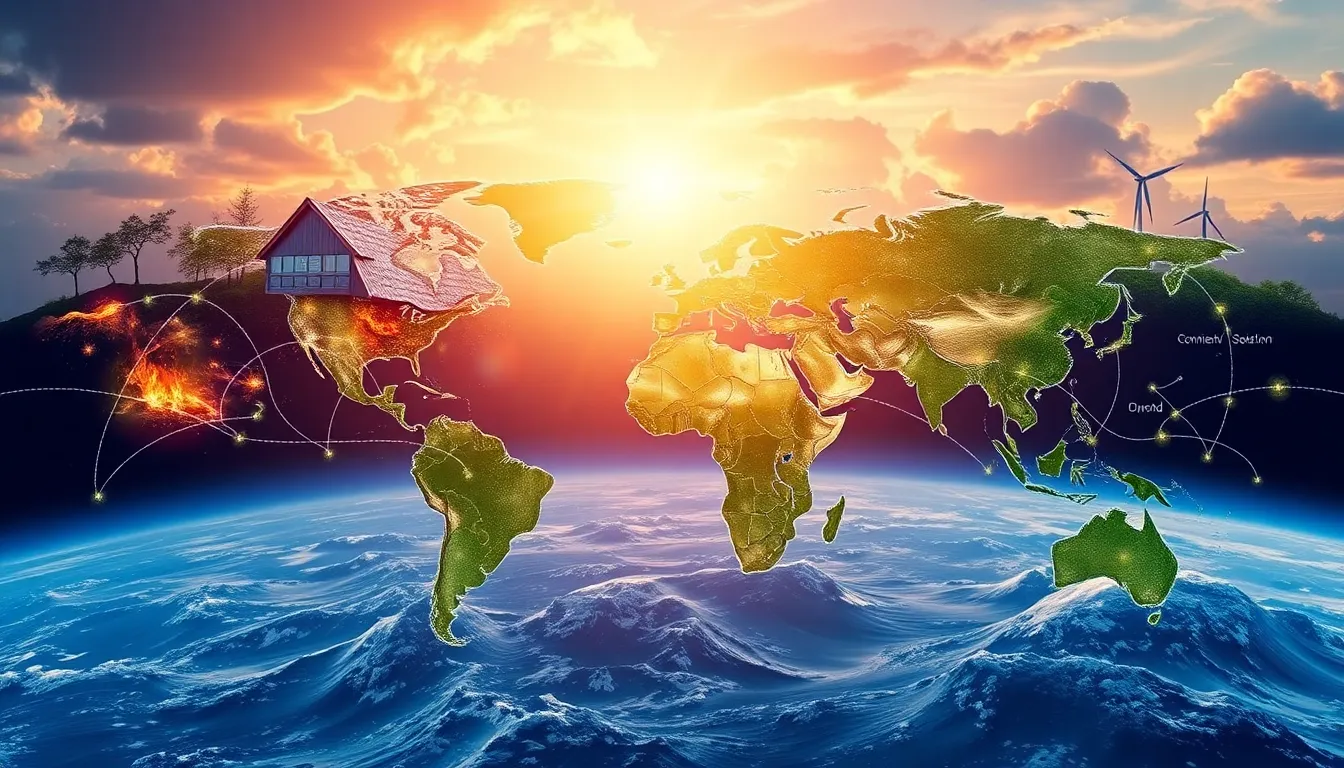
Climate change is one of the biggest challenges facing humanity today. It affects weather patterns, sea levels, ecosystems, agriculture, and even human health. Unlike many other problems, climate change does not respect borders. What happens in one country can affect the entire planet.
Because of this, solving climate change requires something very important: global cooperation.
No single country can fix this problem alone. It is a shared responsibility that requires governments, businesses, and individuals to work together.
What is Climate Change?
Climate change refers to long-term changes in global temperatures and weather patterns. While Earth’s climate has always changed naturally, the current changes are happening much faster due to human activities.
The main causes include:
Burning fossil fuels like coal, oil, and gas Deforestation (cutting down forests) Industrial pollution Greenhouse gas emissions
These activities increase gases like carbon dioxide in the atmosphere, which trap heat and cause the planet to warm.
Effects of Climate Change
Climate change is already affecting the world in many visible ways:
- Rising Temperatures
Global temperatures are increasing, leading to hotter summers and heatwaves.
- Extreme Weather
Storms, floods, droughts, and wildfires are becoming more frequent and intense.
- Melting Ice Caps
Glaciers and polar ice are melting, contributing to rising sea levels.
- Rising Sea Levels
Coastal cities and small islands are at risk of flooding and land loss.
- Impact on Wildlife
Many animals and ecosystems are struggling to adapt or survive.
These effects show that climate change is not a future problem—it is happening right now.
What is Global Cooperation?
Global cooperation means countries working together to solve shared problems. In the case of climate change, it involves governments agreeing on policies, sharing technology, and supporting each other in reducing environmental damage.
It also includes:
International agreements Climate summits Scientific collaboration Financial support for developing countries
Global cooperation is essential because climate change is a worldwide issue.
Why Climate Change Requires Global Cooperation
Climate change cannot be solved by one country alone because:
- The Atmosphere is Shared
Pollution released in one country affects the entire planet.
- Unequal Responsibility
Some countries produce more emissions than others, but all are affected.
- Shared Ecosystems
Oceans, forests, and wildlife cross national borders.
- Global Economy
Industries and supply chains are interconnected worldwide.
This means that cooperation is not optional—it is necessary.
Major Global Climate Agreements
Over the years, countries have come together to address climate change through international agreements.
Paris Agreement
One of the most important global climate deals, where countries agreed to limit global warming and reduce carbon emissions.
Kyoto Protocol
An earlier agreement focused on reducing greenhouse gas emissions from developed countries.
COP Conferences
Annual global meetings where countries discuss climate action plans and progress.
These agreements show that global cooperation is already happening, but stronger action is still needed.
Role of Renewable Energy
One of the most important solutions to climate change is switching to renewable energy sources.
These include:
Solar power Wind energy Hydropower Geothermal energy
Renewable energy reduces dependence on fossil fuels and lowers carbon emissions.
Many countries are now investing heavily in clean energy as part of their climate commitments.
Technology and Climate Solutions
Technology plays a major role in fighting climate change.
Green Technology
Innovations like electric vehicles and energy-efficient systems help reduce pollution.
Carbon Capture
Technology that captures carbon dioxide from the air or factories.
Smart Agriculture
Modern farming methods reduce waste and improve food production efficiency.
Climate Monitoring Systems
Satellites and AI tools track environmental changes in real time.
Technology helps make climate action more effective and measurable.
Challenges in Global Cooperation
Despite efforts, global cooperation on climate change faces several challenges:
- Economic Differences
Developed and developing countries have different resources and priorities.
- Political Disagreements
Not all countries agree on climate policies or timelines.
- Financial Constraints
Climate solutions can be expensive to implement.
- Short-Term Thinking
Some governments focus on immediate economic growth instead of long-term environmental goals.
- Lack of Enforcement
International agreements often rely on voluntary commitments.
The Role of Businesses and Individuals
Climate action is not only the responsibility of governments.
Businesses
Companies can reduce emissions, adopt sustainable practices, and invest in green technologies.
Individuals
People can help by:
Reducing energy use Using public transport Recycling waste Supporting eco-friendly products
Small actions, when multiplied globally, can make a big difference.
The Importance of Climate Justice
Climate change does not affect everyone equally. Poorer countries often suffer the most despite contributing the least to pollution.
Climate justice focuses on:
Fair distribution of responsibilities Financial support for vulnerable countries Equal access to climate solutions
This is an important part of global cooperation.
The Future of Climate Action
The future of climate change depends on how quickly the world acts together.
We may see:
Stronger international climate agreements Faster shift to renewable energy Climate-focused global investments Increased use of green technology Greater awareness and education worldwide
The direction is clear: global cooperation will decide the future of the planet.
Conclusion
Climate change is not just an environmental issue—it is a global challenge that affects every country, every economy, and every person. Because of its scale, it requires strong and continuous global cooperation.
While progress has been made, much more effort is needed to reduce emissions and protect the planet for future generations.
In simple terms, climate change reminds us of one powerful truth: we all share one Earth, and we must protect it together.