Climate Change and International Cooperation: Why the World Must Work Together
Climate change is one of the biggest global challenges of our time, affecting every country in different ways. This article explores how international cooperation is essential to address environmental issues, reduce emissions, and build a sustainable future.
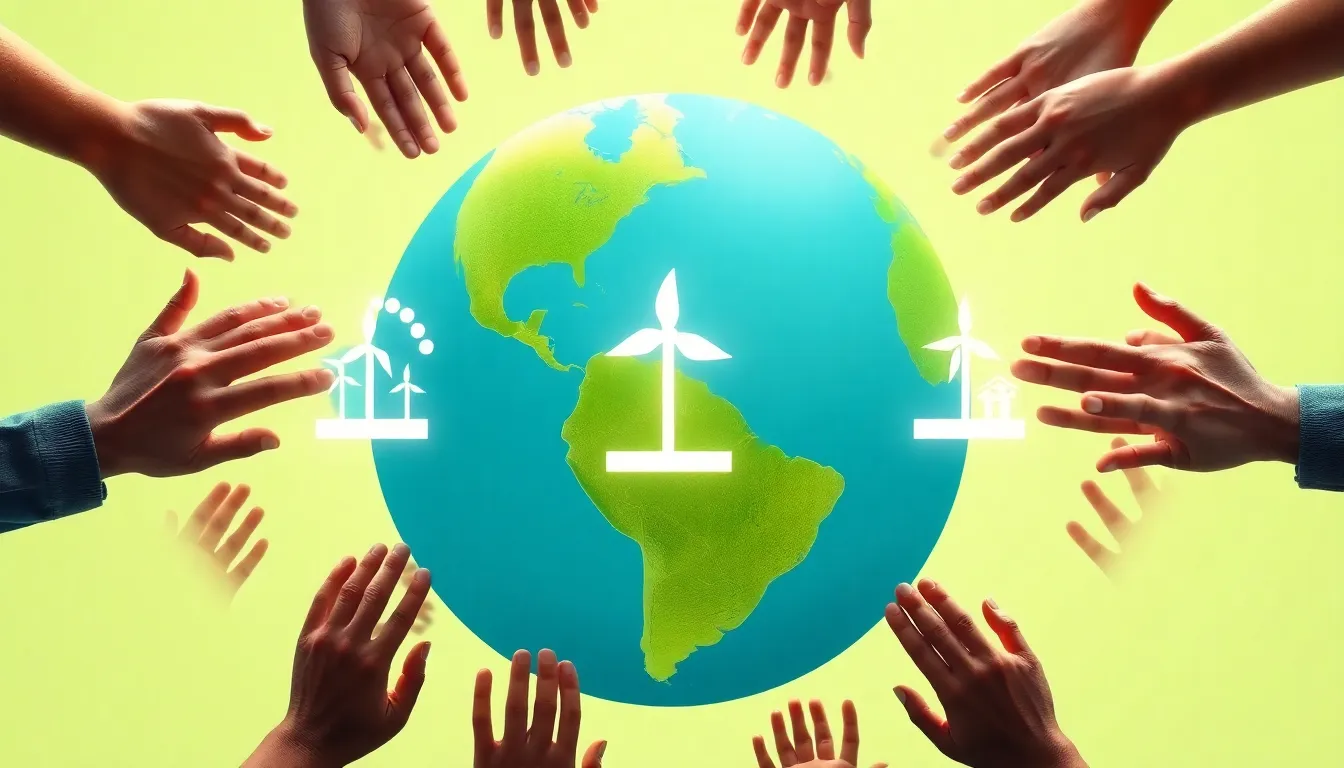
Introduction: A Shared Global Challenge
Climate change is not a problem that belongs to one country—it affects the entire planet. Rising temperatures, extreme weather events, melting ice caps, and changing ecosystems are being felt across continents. Whether it’s floods in one region or droughts in another, the impacts are widespread and interconnected.
Because of this, climate change is often described as a global challenge requiring global solutions. No single country can solve it alone. This is where international cooperation becomes essential. Nations must work together, share responsibility, and take coordinated action to reduce environmental damage and protect future generations.
What Is Climate Change?
Climate change refers to long-term changes in Earth’s temperature and weather patterns. While natural factors can influence the climate, scientists agree that human activities—especially the burning of fossil fuels like coal, oil, and gas—are the main drivers of recent global warming.
These activities release greenhouse gases such as carbon dioxide into the atmosphere. These gases trap heat, causing the planet’s temperature to rise. Over time, this leads to significant environmental changes, including rising sea levels, loss of biodiversity, and more frequent extreme weather events.
Why International Cooperation Matters
Climate change crosses borders. Pollution created in one country can affect air quality and weather patterns in another. Similarly, rising sea levels impact coastal regions worldwide, regardless of where emissions originate.
This interconnected nature makes cooperation necessary. Countries must agree on shared goals, set targets for reducing emissions, and support each other in achieving them. Without collaboration, efforts in one region may be undermined by inaction elsewhere.
International cooperation also allows countries to share knowledge, technology, and financial resources. Developing countries, in particular, often need support to transition to cleaner energy systems and adapt to climate impacts.
Major Global Climate Agreements
Over the years, countries have come together to create agreements aimed at addressing climate change. One of the most significant is the Paris Agreement, adopted in 2015.
The Paris Agreement is a global pact where countries commit to limiting global temperature rise to well below 2°C above pre-industrial levels, with efforts to keep it below 1.5°C. Each country sets its own targets, known as nationally determined contributions (NDCs), and regularly updates them.
Another important effort is the work of the United Nations, which provides a platform for countries to negotiate and coordinate climate action. Conferences such as the annual climate summits bring leaders together to assess progress and strengthen commitments.
Challenges to Global Cooperation
While international cooperation is essential, it is not always easy. Countries have different priorities, economic conditions, and levels of responsibility for emissions.
-
Economic Differences Developed countries have historically contributed more to greenhouse gas emissions, while developing countries are still growing economically. Balancing fairness and responsibility is a major challenge.
-
Political Interests Governments may prioritize short-term economic growth over long-term environmental goals. Changes in leadership can also affect climate policies.
-
Unequal Impact Some countries are more vulnerable to climate change than others. For example, small island nations face rising sea levels, while other regions may experience extreme heat or drought.
-
Enforcement Issues International agreements rely on cooperation rather than strict enforcement. This means progress depends on countries honoring their commitments.
The Role of Technology and Innovation
Technology plays a key role in addressing climate change. Renewable energy sources like solar and wind power offer alternatives to fossil fuels. Advances in energy storage, electric vehicles, and sustainable agriculture also contribute to reducing emissions.
International cooperation helps accelerate the spread of these technologies. Countries can share innovations, invest in research, and collaborate on large-scale projects. This not only reduces costs but also speeds up global progress.
How Individuals Fit Into the Global Picture
While climate change is a global issue, individual actions still matter. Everyday choices—such as reducing energy use, minimizing waste, and supporting sustainable products—can contribute to broader efforts.
More importantly, individuals influence policy through voting, advocacy, and awareness. Public support often drives governments to take stronger action on climate issues.
In this way, international cooperation is not just about governments—it reflects the collective will of people around the world.
Signs of Progress
Despite challenges, there has been progress in global climate action. Many countries are investing in renewable energy, setting net-zero targets, and adopting greener policies. Awareness of climate change has also increased significantly, especially among younger generations.
Businesses and organizations are also playing a role by committing to sustainability goals and reducing their environmental impact. This collective effort shows that change is possible when different sectors work together.
The Road Ahead
The fight against climate change is ongoing. While agreements and policies are important, real change requires consistent action and long-term commitment.
Future success will depend on stronger cooperation, clearer accountability, and increased support for vulnerable regions. It will also require innovation, education, and a willingness to adapt to new ways of living and working.
The stakes are high, but so are the opportunities. Addressing climate change can lead to cleaner energy, healthier environments, and more sustainable economies.
Conclusion
Climate change is one of the defining challenges of our time, and it cannot be solved in isolation. International cooperation is essential for creating meaningful and lasting solutions. By working together, countries can share responsibility, support one another, and move toward a more sustainable future.
While progress may be gradual and sometimes difficult, the combined efforts of governments, organizations, and individuals offer hope. In the end, protecting the planet is a shared responsibility—one that requires unity, commitment, and action from all.