Defense Spending’s Economic Ripple: Understanding Innovation Cycles
Defense spending often initiates powerful innovation cycles, driving technological advancements with significant economic ripple effects far beyond the battlefield. This article explores how.
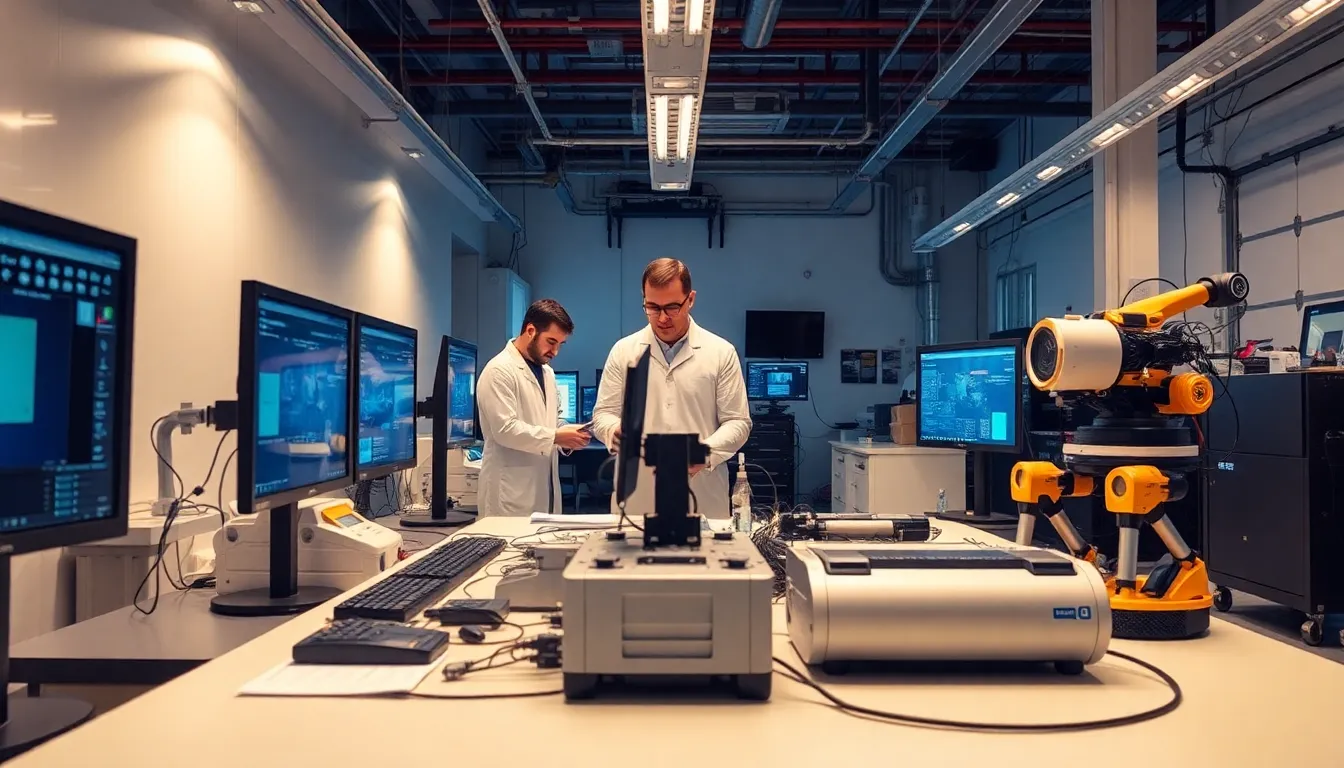
The relationship between defense spending and innovation cycles is a complex, often understated, yet profoundly impactful dynamic shaping global economies and technological landscapes. Far from being solely an expenditure on national security, defense budgets frequently act as a potent catalyst, initiating cycles of research, development, and deployment that birth groundbreaking technologies with far-reaching civilian applications. Understanding these defense-driven innovation cycles is crucial for appreciating the hidden mechanisms that propel economic growth, foster technological leadership, and redefine industries.
Key Takeaways
Defense spending frequently acts as a primary catalyst for significant technological innovation, funding early-stage research too risky for private investment.
Technologies initially developed for military applications often experience a "spin-off" effect, finding widespread civilian and commercial uses.
Government procurement policies and large-scale defense contracts provide stable demand, enabling long-term R&D investments that might otherwise be unfeasible.
Geopolitical competition and national security imperatives accelerate innovation, compressing development timelines for critical technologies.
The economic ripple effect extends beyond direct defense contractors, fostering new industries, creating high-skilled jobs, and enhancing a nation's overall innovation capacity.
The Genesis of Innovation: Defense as a Primary Funder
Historically, many of the world's most transformative technologies owe their genesis, or at least their accelerated development, to defense-related funding and strategic imperatives. The sheer scale of resources available to national defense programs allows for investment in fundamental research and experimental development that private industry, driven by quarterly profits, might deem too speculative or long-term. This public funding de-risks early-stage innovation, paving the way for breakthroughs that would otherwise remain theoretical.
Consider the internet, GPS, and jet propulsion – all products of intense defense research and development efforts. The Advanced Research Projects Agency Network (ARPANET), the precursor to the internet, was born out of a need for a robust, decentralized communication system for military and governmental use. Global Positioning System (GPS) technology, initially developed by the U.S. Department of Defense for military navigation, has become indispensable for countless civilian applications, from ride-sharing apps to precision agriculture. These examples underscore a consistent pattern: defense requirements often pose challenges that necessitate radical technological solutions, thereby pushing the boundaries of scientific understanding and engineering capability.
Spin-Offs and Dual-Use Technologies
One of the most significant aspects of defense-driven innovation cycles is the phenomenon of "spin-offs" and the development of "dual-use technologies." A spin-off occurs when a technology or invention created for military purposes finds a subsequent, often unexpected, application in the civilian market. Dual-use technologies, by their nature, are designed with both military and commercial applications in mind from their inception.
From advanced materials like carbon fiber, which initially found extensive use in aerospace and defense before revolutionizing industries from automotive to sporting goods, to sophisticated sensor technologies now ubiquitous in autonomous vehicles and medical imaging, the transfer of knowledge and technology from the defense sector to the civilian economy is continuous. This transfer is not always immediate or direct; it often requires further refinement, cost reduction, and adaptation to commercial requirements. However, the foundational research and initial proof-of-concept are frequently provided by defense spending.
The Role of Government Procurement and Stable Demand
The economic viability of high-risk, long-term technological development often hinges on the existence of a reliable market. Defense departments, acting as large-scale consumers, provide this critical stable demand. Long-term procurement contracts for complex systems – be they aircraft, warships, communication networks, or cybersecurity solutions – enable defense contractors to invest significant capital into research facilities, specialized equipment, and highly skilled personnel, knowing there will be a buyer for their advanced products. This assured demand reduces market uncertainty, making extensive R&D efforts economically feasible.
This stability not only benefits primary defense contractors but also cascades down the supply chain, supporting a vast ecosystem of smaller businesses, specialized component manufacturers, and research institutions. These secondary and tertiary beneficiaries often find themselves developing cutting-edge capabilities that can later be re-purposed or adapted for non-defense markets, further amplifying the innovation ripple effect across the business economy.
Geopolitical Competition: An Innovation Accelerator
Throughout history, periods of intense geopolitical competition and perceived threats have demonstrably accelerated innovation cycles. The Cold War, for instance, spurred unprecedented advancements in computer science, rocketry, materials science, and cryptography, as competing superpowers vied for technological supremacy. The space race, an indirect but profound offshoot of this rivalry, pushed the limits of engineering and spurred scientific discovery at an astonishing pace. This competitive dynamic creates an urgency that often transcends typical market forces, justifying increased investment and faster development timelines.
In the contemporary era, the rise of new global powers and persistent security challenges are similarly driving rapid innovation in fields such as artificial intelligence, quantum computing, hypersonics, and biotechnology. Nations are keenly aware that future economic prosperity and national security are inextricably linked to technological leadership, prompting significant state-backed investment in these strategic sectors. This has led to a renewed focus on nurturing technology ecosystems capable of both defense innovation and broader economic impact.
Economic Impact and Future Implications
The economic ripple effect of defense-driven innovation extends far beyond the direct revenue generated by military contracts. Nations that effectively leverage their defense spending for technological advancement often see significant dividends in terms of job creation, the growth of new industries, and enhanced international competitiveness. High-skilled jobs in engineering, advanced manufacturing, and scientific research are created and sustained, contributing to a robust national human capital base. The development of advanced technologies, even if initially for defense, can elevate a nation's overall standing in global innovation indexes and open doors to new export markets.
Moreover, the infrastructure built to support defense R&D – specialized laboratories, testing facilities, and supercomputing centers – becomes a national asset that can be utilized for civilian research and commercialization. The collaborative ecosystems that often emerge between defense agencies, universities, and private companies can foster a culture of innovation that benefits diverse sectors, including AI automation and advanced materials.
Looking ahead, as the nature of warfare evolves to encompass cyber warfare, autonomous systems, and advanced data analytics, the innovation imperative from the defense sector is only set to intensify. This presents both opportunities and challenges. The opportunity lies in harnessing these new waves of defense-driven innovation for widespread societal benefit, ensuring a robust "spin-in" strategy where commercial technologies can also be adapted for defense needs, creating a more dynamic and responsive innovation ecosystem. The challenge is in ensuring that these powerful cycles are managed ethically and responsibly, balancing security needs with broader human welfare.
Frequently Asked Questions
How does defense spending influence economic growth?
Defense spending influences economic growth by stimulating research and development in critical technologies, creating demand for advanced products and services, fostering high-skilled job creation, and leading to technology spin-offs that benefit commercial industries, thereby expanding a nation's overall economic and technological capacity.
What are some examples of defense technologies impacting civilian life?
Key examples include the internet (ARPANET), GPS for navigation, jet engines for commercial aviation, radar technology for weather forecasting, advanced materials like carbon fiber, and microchip advancements, all of which originated or were significantly advanced by defense funding and requirements.
How do dual-use technologies differ from spin-offs?
Dual-use technologies are developed with both military and civilian applications in mind from their inception, aiming for simultaneous utility. Spin-offs, on the other hand, are technologies initially developed purely for military purposes that are later adapted and commercialized for civilian use after their initial defense application has been established or developed.