Eat Your Way to Dreamland: The Foods That Could Help You Sleep Better
Tossing and turning? Your dinner plate might hold the answer. Discover the surprising foods that can help usher you into a deeper, more restorative sleep.
It's 2 AM. You're staring at the ceiling, again. The day's anxieties, the to-do list for tomorrow – it all swirls around, keeping sleep stubbornly at bay. If that sounds familiar, you're not alone. Millions struggle to get enough restful sleep, and while stress and screens certainly play a role, what you eat (and when) can be a surprisingly powerful factor in your nightly battle for slumber.
I've been reporting on health trends for a long time, and the connection between diet and sleep is one that's gained significant traction in recent years. We're not talking about some magic pill here, but rather a gradual shift in eating habits that can make a real difference. Think of it as laying the groundwork for a good night's rest, one meal at a time.
Key Takeaways:
- Timing matters: Avoid heavy, spicy, or sugary foods close to bedtime. Give your body time to digest.
- Nutrient powerhouses: Cherries, kiwis, walnuts, and fatty fish are rich in compounds that promote sleep.
- Tryptophan isn't just for turkey: It's an amino acid found in many foods that helps produce melatonin.
- Hydration is key, but watch evening fluid intake to avoid middle-of-the-night bathroom trips.
- Consistency beats quick fixes: Regular healthy eating habits are more effective than occasional sleep-promoting snacks.
Let's dive into some of the specific ingredients that often get the nod from sleep scientists and nutritionists. It's not about overhauling your entire diet overnight, but rather incorporating some of these into your routine, especially in the afternoon and evening.
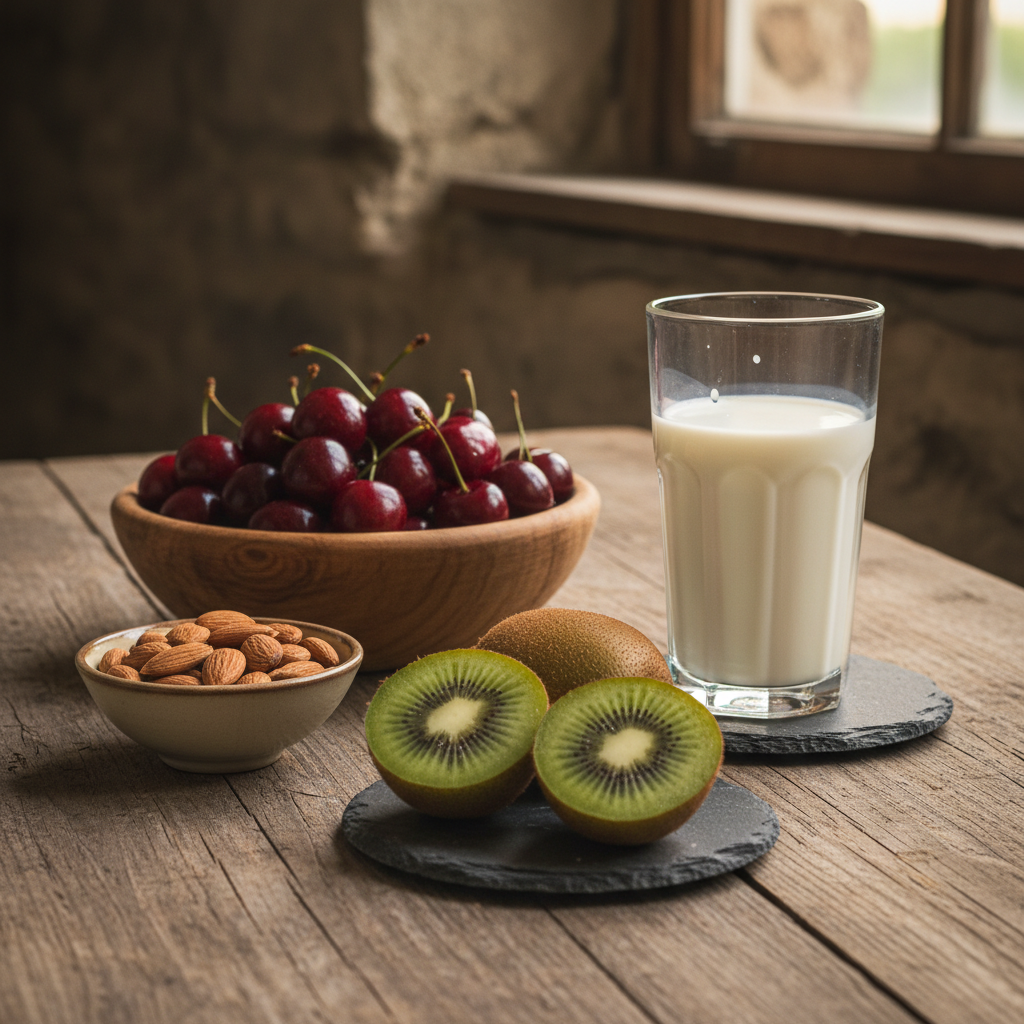
First up, the mighty cherry. Specifically, tart cherries. "These aren't your average supermarket sweet cherries," explains Dr. Sarah M. Johnson, a registered dietitian and researcher at the University of California, Berkeley. "Tart cherries are a natural source of melatonin, the hormone that regulates your sleep-wake cycle. Studies have shown that a glass of tart cherry juice, or a handful of dried tart cherries, can significantly improve sleep quality and duration for some individuals." She cites a study published in the Journal of Medicinal Food which found participants who drank tart cherry juice twice a day experienced an average of 84 minutes more sleep compared to a placebo group. That's a pretty compelling number.
Then there are kiwis. Yes, the fuzzy green fruit. A small study out of Taiwan, published in the Asia Pacific Journal of Clinical Nutrition, found that individuals who ate two kiwis an hour before bed for four weeks fell asleep faster, slept more, and had better sleep quality. "Kiwis are packed with antioxidants and serotonin, which is a precursor to melatonin," says Johnson. "They also have a decent amount of folate and potassium, which contribute to overall body function, including sleep regulation." It's an easy, refreshing snack to add to your evening routine.
Next, consider nuts, especially walnuts and almonds. These aren't just good for your heart; they might be good for your sleep, too. Walnuts contain their own dose of melatonin, and almonds are a fantastic source of magnesium. "Magnesium is a mineral that plays a crucial role in nerve function and muscle relaxation," explains Dr. Alex Chen, a sleep specialist at the Mayo Clinic. "Many people are magnesium deficient without even realizing it, and that deficiency can manifest as restless sleep or difficulty falling asleep." A small handful of almonds (say, 1 ounce) gives you about 20% of your daily magnesium. Plus, they offer a bit of protein, which can help stabilize blood sugar overnight, preventing those mid-sleep hunger pangs.
And what about the old standby, the glass of warm milk? There's some truth to it, though it's not quite the magic potion some believe. Milk contains tryptophan, an amino acid that the body converts into serotonin, and then into melatonin. "It's not that one glass of milk will knock you out," Dr. Chen clarifies, "but it contributes to the overall pool of tryptophan in your system. The warmth itself can also be soothing and promote relaxation, which is a big part of preparing for sleep." Other good sources of tryptophan include poultry (yes, turkey, but also chicken), eggs, cheese, and even tofu. So, a small, light protein source at dinner can be beneficial.
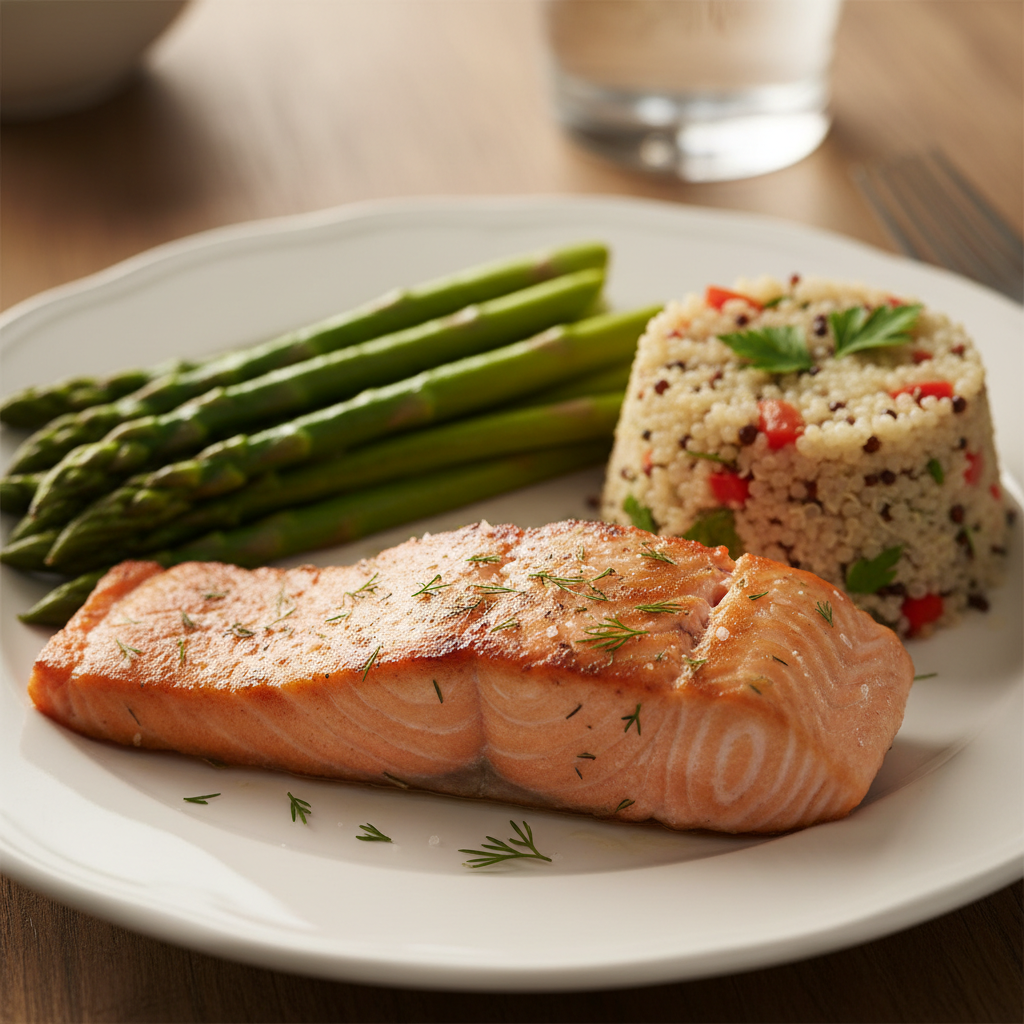
Speaking of protein, fatty fish like salmon, tuna, and mackerel are excellent choices. They're rich in vitamin D and omega-3 fatty acids, particularly DHA. Research has linked higher levels of omega-3s with better sleep, and vitamin D also plays a role in sleep regulation. "The combination of these nutrients helps with serotonin production and reduces inflammation, both of which are conducive to restful sleep," Johnson notes. Try to incorporate these into your diet a few times a week, not just as a last-minute sleep aid.
Now, a word of caution. While these foods can be beneficial, they're not a license to overeat before bed. "Timing is almost as important as the food itself," says Chen. "A heavy meal, especially one high in fat or spice, too close to bedtime, will do more harm than good. Your body will be busy digesting when it should be winding down." Aim to finish your last significant meal at least two to three hours before you plan to go to sleep. And while we're on the subject of timing, cutting down on caffeine and alcohol, particularly in the afternoon and evening, is paramount. Caffeine is a stimulant, obviously, but alcohol, while it might initially make you feel sleepy, disrupts the architecture of sleep, leading to more fragmented rest later in the night.
It's also not just about what you eat, but how you eat. Mindful eating, chewing slowly, and being present during meals can aid digestion, which in turn supports better sleep. Skipping meals, especially dinner, can also backfire, leading to hunger-induced wake-ups or blood sugar drops that disrupt sleep. A balanced, consistent approach is key here, not a frantic search for a 'sleep superfood' right before bed.
And don't forget the humble complex carbohydrates. Whole grains like oats, quinoa, and brown rice help release serotonin and also contribute to stable blood sugar. A small bowl of oatmeal with some tart cherries or walnuts an hour or two before bed can be a surprisingly effective part of a pre-sleep routine. You're not looking for a sugar rush here; you want a slow, steady release of energy and calming neurotransmitters.
Ultimately, there's no one-size-fits-all solution for sleep, but by understanding the role nutrition plays, you can start making small, manageable changes. It's about creating an environment, both internally and externally, that's conducive to sleep. That includes things like a cool, dark room, a consistent bedtime, and yes, choosing your meals wisely. Think of your plate not just as fuel for the day, but as a potential pathway to a peaceful night. For more on how diet affects overall well-being, check out our recent piece on the future of personalized nutrition. And if you're interested in broader lifestyle changes for better rest, we've covered sleep hygiene best practices extensively.
Frequently Asked Questions:
Can certain foods actively prevent sleep? Yes, absolutely. High-sugar snacks, spicy foods, and large, fatty meals too close to bedtime can all disrupt sleep. Caffeine and alcohol are also well-known culprits that interfere with sleep cycles, even if alcohol initially makes you feel drowsy.
How quickly can I expect to see results from changing my diet for sleep? It varies from person to person. Some might notice small improvements within a few days, while for others, it could take a few weeks of consistent dietary changes to see a significant difference. It's more about long-term habits than instant fixes.
Is there a perfect pre-bedtime snack? A small, light snack containing a combination of tryptophan-rich food and complex carbohydrates is often recommended. Examples include a small banana with a spoonful of almond butter, a handful of walnuts, or a small bowl of oatmeal. Keep it under 200 calories to avoid overloading your digestive system.
What about supplements? Should I take melatonin? While some foods contain natural melatonin, synthetic melatonin supplements should be used with caution and preferably under the guidance of a healthcare professional. They can be helpful for short-term issues like jet lag, but long-term use isn't always recommended and doesn't address underlying sleep problems. Focus on whole foods first.