Education & Skills: Building Knowledge, Confidence, and the Abilities That Shape a Better Future
Education and skills are the foundation of personal growth and opportunity. They empower individuals to think critically, adapt to change, and build meaningful careers. In a rapidly evolving world, lifelong learning has become more important than ever.
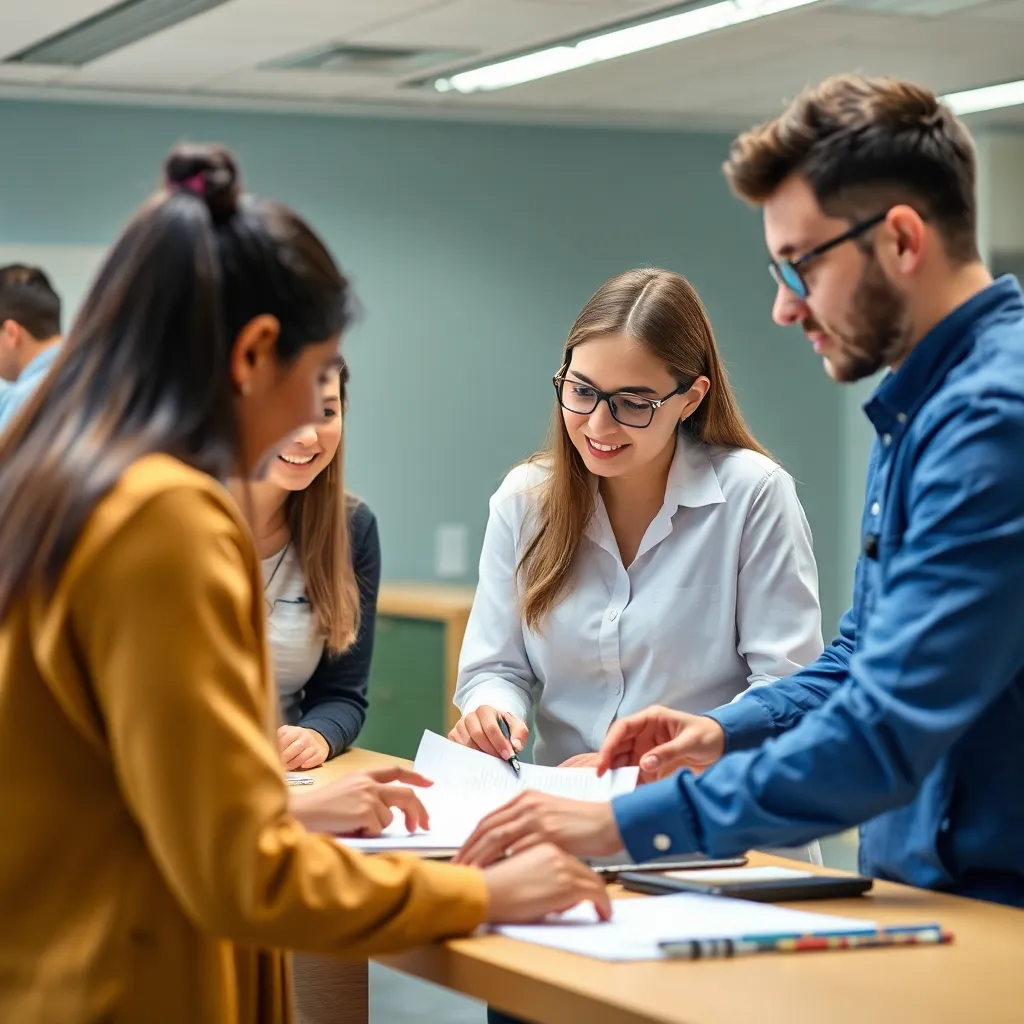
Education & Skills: Building Knowledge, Confidence, and the Abilities That Shape a Better Future
Education has always been one of the most powerful forces shaping human progress. It influences how people think, how societies grow, and how opportunities are created. But education today is no longer limited to classrooms or formal degrees. It has become a lifelong journey that extends far beyond traditional schooling.
In a world that is constantly changing, education and skills development are more important than ever. New technologies, shifting job markets, and global connectivity mean that learning never truly stops. People are now expected to adapt, grow, and continuously build new abilities throughout their lives.
At its core, education is not just about information—it is about transformation. It shapes how individuals understand the world and how they contribute to it.
The Meaning of Education Today
Education can be defined as the process of acquiring knowledge, skills, values, and understanding. Traditionally, it has been associated with schools, colleges, and universities. While these institutions remain important, modern education has expanded far beyond them.
Today, education happens everywhere—in workplaces, online platforms, communities, and even through personal experiences. Learning is no longer confined to a specific stage of life. Instead, it is continuous and evolving.
This shift reflects a broader understanding that knowledge alone is not enough. People also need practical skills, emotional intelligence, and adaptability to navigate modern life.
Why Skills Matter as Much as Knowledge
While education provides knowledge, skills turn that knowledge into action. Skills are the abilities that allow individuals to apply what they have learned in real-world situations.
For example, understanding information is valuable, but being able to communicate it clearly, solve problems, or work effectively with others is what truly makes a difference in professional and personal life.
Skills can be divided into two broad categories: technical skills and soft skills. Technical skills include abilities like coding, data analysis, writing, or design. Soft skills include communication, teamwork, leadership, and emotional intelligence.
Both types are important. In fact, the most successful individuals often combine strong technical abilities with well-developed interpersonal skills.
Lifelong Learning in a Changing World
One of the biggest changes in modern education is the idea of lifelong learning. In the past, people often completed their education early in life and relied on it throughout their careers. Today, that approach is no longer enough.
Technology and industries are evolving rapidly. New tools, platforms, and methods are constantly emerging. As a result, individuals must continue learning to stay relevant and competitive.
Lifelong learning is about curiosity and adaptability. It involves being open to new ideas, willing to update skills, and ready to grow at every stage of life.
This mindset not only improves career opportunities but also supports personal development and confidence.
The Role of Digital Education
Technology has transformed how people access education. Online courses, virtual classrooms, and learning platforms have made education more accessible than ever before.
Anyone with an internet connection can now learn new skills, explore subjects, and gain certifications from anywhere in the world. This has opened doors for people who may not have had access to traditional education systems.
Digital education also allows for flexible learning. People can study at their own pace, balance education with work, and focus on areas that match their interests or career goals.
However, self-discipline and motivation are important in digital learning environments, as they often require independent study habits.
Critical Thinking and Problem-Solving
One of the most valuable outcomes of education is the ability to think critically. Critical thinking involves analyzing information, questioning assumptions, and making reasoned decisions.
In a world filled with information, the ability to evaluate what is accurate and meaningful is essential. Critical thinking helps people avoid misinformation and make informed choices.
Problem-solving is closely related. It involves identifying challenges, exploring solutions, and applying logical thinking to overcome obstacles.
These skills are useful in every area of life, from academic work to professional environments and everyday decisions.
Soft Skills and Human Connection
While technical knowledge is important, soft skills are what often define long-term success. Communication, empathy, teamwork, and adaptability are essential in nearly every field.
In workplaces, people rarely work alone. Collaboration is a key part of productivity and innovation. Being able to communicate clearly, listen actively, and work well with others creates stronger teams and better outcomes.
Emotional intelligence—the ability to understand and manage emotions—is also becoming increasingly important. It helps people navigate relationships, handle stress, and respond to challenges in a balanced way.
Soft skills are deeply human. They cannot be easily automated, which makes them especially valuable in the modern world.
Education and Career Growth
Education plays a direct role in career development. It provides the foundation for entering different professions and advancing within them.
However, career growth today is no longer strictly linear. People often change roles, industries, or career paths multiple times throughout their lives.
This makes continuous learning essential. Upskilling and reskilling help individuals stay competitive and adapt to new opportunities.
Employers increasingly value candidates who show a willingness to learn and grow, rather than those who rely only on past qualifications.
Challenges in Modern Education
Despite its benefits, modern education faces several challenges. Access to quality education is still unequal in many parts of the world. Economic barriers, location, and resources can limit opportunities for many individuals.
Another challenge is keeping education aligned with real-world needs. As industries evolve, educational systems must continuously update their methods and content to remain relevant.
There is also the challenge of motivation. With so many distractions in the digital age, staying focused on learning can be difficult.
Addressing these challenges requires innovation, investment, and a commitment to making education more inclusive and practical.
The Human Side of Learning
Education is not just about academic achievement—it is also about personal growth. Learning shapes identity, builds confidence, and helps people understand themselves and the world around them.
Every learning experience, whether formal or informal, contributes to personal development. Mistakes, challenges, and successes all play a role in shaping knowledge and resilience.
Learning is deeply human. It reflects curiosity, ambition, and the desire to improve.
The Future of Education and Skills
The future of education is likely to be more flexible, personalized, and technology-driven. Artificial intelligence, virtual reality, and adaptive learning systems are already beginning to transform how people learn.
Education will likely become more tailored to individual needs, allowing learners to focus on their strengths and interests. At the same time, collaboration and human interaction will remain essential parts of the learning experience.
Skills such as creativity, adaptability, and critical thinking will continue to grow in importance as automation handles more routine tasks.
The future of education is not just about knowledge delivery—it is about empowering people to think, create, and adapt.
Final Thoughts
Education and skills are the foundation of personal and societal progress. They empower individuals to grow, adapt, and succeed in an ever-changing world.
More than just preparation for careers, education is a lifelong journey of discovery and development. It helps people understand themselves, connect with others, and navigate the complexities of modern life.
In a world that is constantly evolving, the ability to learn and adapt is one of the most valuable skills of all.
Ultimately, education is not just about what you know—it is about how you grow, how you think, and how you contribute to the world around you.