Future Skills and Lifelong Learning: Staying Relevant in a Rapidly Changing World
Future Skills and Lifelong Learning are essential in a world shaped by rapid technological change. As industries evolve, continuous learning helps individuals stay adaptable, competitive, and prepared for new career opportunities.
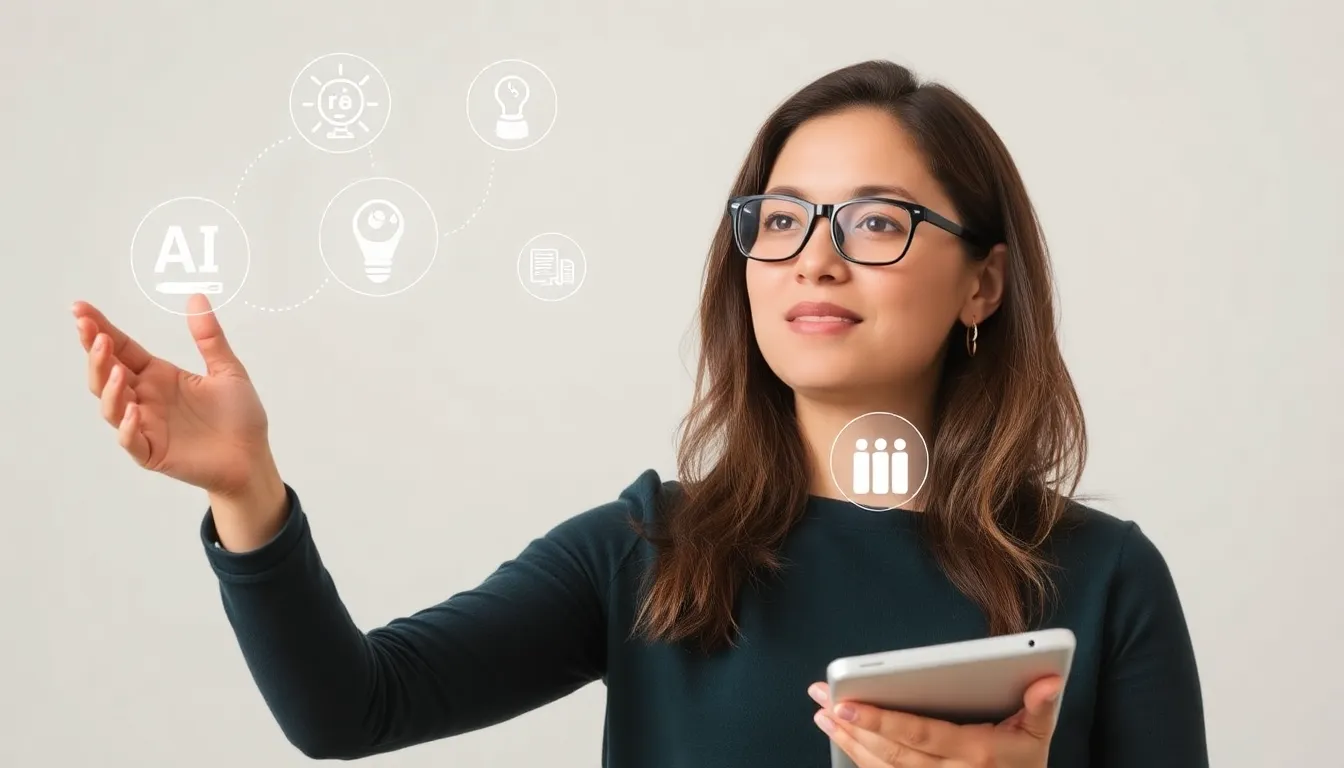
The world is changing faster than ever before. Technology is evolving, industries are transforming, and new job roles are appearing while old ones are disappearing. In this fast-moving environment, one thing has become very clear: learning cannot stop after school or college.
This is where the ideas of Future Skills and Lifelong Learning become extremely important.
They are not just buzzwords—they are essential tools for survival and success in the modern world.
What are Future Skills?
Future skills are the abilities and knowledge people need to succeed in tomorrow’s world of work. These skills are shaped by technology, globalization, and changing job markets.
Unlike traditional skills that may stay the same for years, future skills are flexible and constantly evolving.
Some key future skills include:
Digital literacy Artificial intelligence and data understanding Critical thinking and problem-solving Creativity and innovation Communication and collaboration Adaptability and emotional intelligence
In simple terms, future skills are what help people stay useful and relevant no matter how the world changes.
What is Lifelong Learning?
Lifelong Learning means continuously learning new things throughout your entire life. It is not limited to schools, colleges, or formal education.
Instead, it includes:
Online courses Professional training Workshops and certifications Self-learning through books, videos, and practice Learning from work experience
Lifelong learning is about staying curious and always improving yourself.
In today’s world, learning is no longer a phase of life—it is a continuous journey.
Why Future Skills and Lifelong Learning Matter
The job market today is very different from what it was 10 or 20 years ago. Many jobs that exist today did not exist in the past, and many future jobs have not even been created yet.
This makes continuous learning extremely important.
- Technology is Changing Jobs
Automation and Artificial Intelligence are transforming industries. Some tasks are being automated, while new tech-based jobs are emerging.
- Skills Become Outdated Quickly
A skill that is useful today may become outdated in a few years. Continuous learning helps people stay updated.
- Career Growth Depends on Learning
People who keep learning new skills are more likely to get promotions, better jobs, and higher salaries.
- Global Competition
The world is connected, and people are competing for jobs globally. Strong skills give individuals a competitive advantage.
Examples of Future Skills in Action Digital Skills
Almost every job today requires some level of digital knowledge—whether it is using software, managing data, or working online tools.
Data Literacy
Understanding data helps businesses make better decisions. Even non-technical professionals benefit from basic data skills.
AI Awareness
Knowing how Artificial Intelligence works helps people adapt to AI-powered workplaces.
Problem-Solving
Employers value people who can think critically and solve real-world problems.
Communication Skills
Clear communication is essential in remote and global work environments.
The Role of Technology in Lifelong Learning
Technology has made learning more accessible than ever before.
Online Learning Platforms
People can now learn anything from coding to design through online courses.
Mobile Learning Apps
Learning is available anytime through smartphones.
AI-Powered Learning
AI can personalize lessons based on a learner’s strengths and weaknesses.
Virtual Classrooms
Students and professionals can attend live classes from anywhere in the world.
Technology has removed barriers like location, cost, and time, making learning easier for everyone.
Upskilling and Reskilling
Two important concepts in lifelong learning are:
Upskilling
Learning new skills to improve in your current job.
Example: A marketer learning digital analytics.
Reskilling
Learning completely new skills to switch careers.
Example: A factory worker learning software development.
Both are essential in today’s changing job market.
Challenges of Lifelong Learning
Even though learning is important, people face challenges:
Time Constraints
Busy work and personal life can make learning difficult.
Motivation Issues
Staying consistent in learning requires discipline.
Access to Resources
Not everyone has equal access to quality education or internet.
Information Overload
With so much content available, it can be hard to choose what to learn.
How to Build a Lifelong Learning Habit
Anyone can become a lifelong learner with the right mindset.
- Stay Curious
Always ask questions and explore new topics.
- Set Learning Goals
Decide what skills you want to develop.
- Learn in Small Steps
Even 20–30 minutes a day can make a big difference.
- Practice Regularly
Apply what you learn in real life.
- Keep Updating Skills
Stay aware of industry trends and changes.
The Future of Work and Learning
In the future, work and learning will be closely connected. Instead of learning first and working later, people will learn continuously throughout their careers.
We may see:
Jobs that require constant skill upgrades AI-powered personalized learning paths Employers encouraging ongoing education Education systems focused on skills instead of memorization A culture where learning is part of everyday life
The boundary between student and professional will become less clear.
Conclusion
Future Skills and Lifelong Learning are not optional anymore—they are essential. In a world where technology and industries are constantly evolving, the ability to learn and adapt is one of the most valuable skills a person can have.
Those who embrace continuous learning will not only survive change but thrive in it.
In simple words, education is no longer something you finish—it is something you continue for life.