Geopolitical Conflicts and Diplomacy: Understanding Power, Tension, and the Pursuit of Peace
Geopolitical conflicts shape the world we live in, influencing economies, borders, and human lives. Diplomacy acts as a vital bridge—helping nations navigate tension, avoid escalation, and work toward cooperation in an increasingly interconnected world.
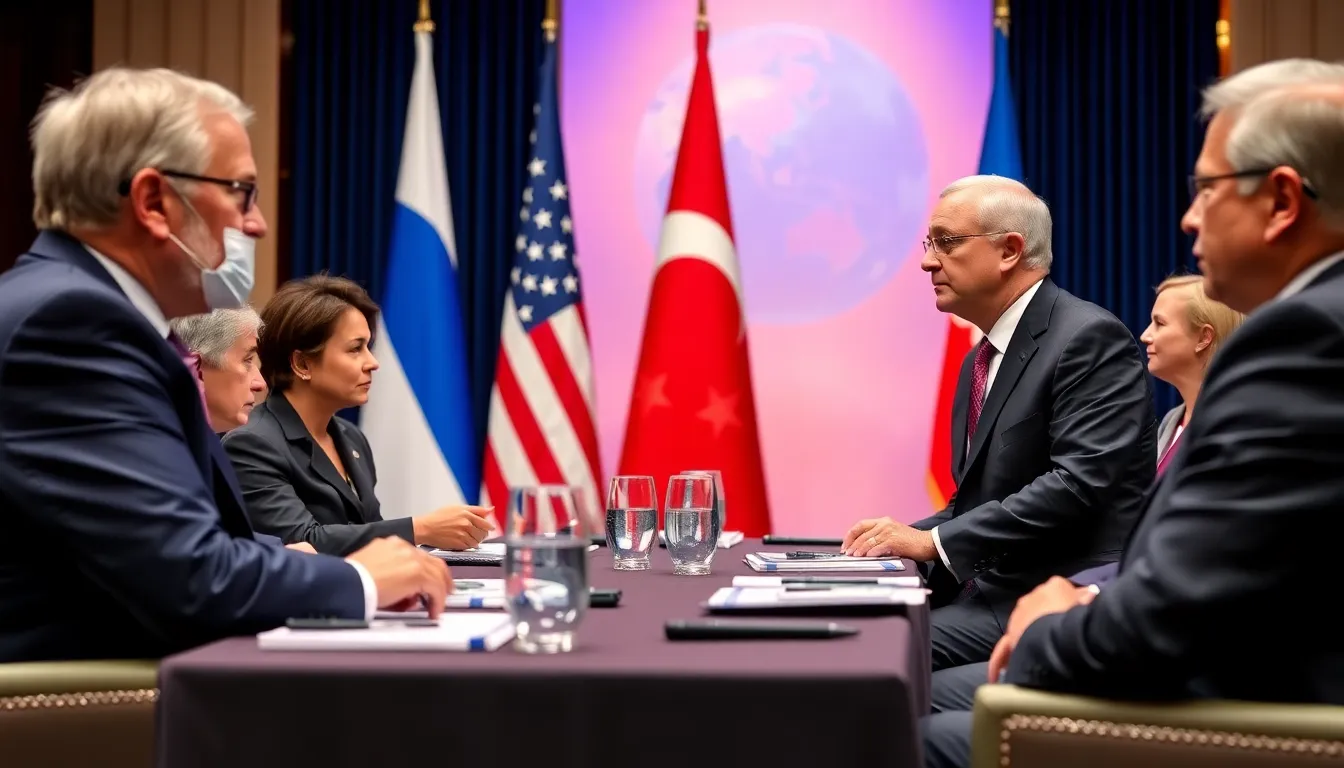
Geopolitical Conflicts and Diplomacy: Understanding Power, Tension, and the Pursuit of Peace The world is deeply interconnected, yet it is far from always peaceful. Nations cooperate, trade, and share ideas—but they also compete, disagree, and sometimes clash. These tensions, often rooted in geography, politics, history, and resources, are what we call geopolitical conflicts. While the word “conflict” might immediately bring to mind war, many geopolitical conflicts exist in quieter forms—through political standoffs, economic pressure, or strategic rivalry. And this is where diplomacy steps in. Diplomacy is the art of managing these tensions without letting them spiral into violence. At its core, the relationship between conflict and diplomacy is a human one. It’s about leaders making decisions, negotiators finding common ground, and societies feeling the impact of those choices. What Are Geopolitical Conflicts? Geopolitical conflicts arise when countries have competing interests. These interests can involve territory, natural resources, political influence, or ideological differences. For example, disputes over borders have existed for centuries. A piece of land may hold historical, cultural, or strategic importance, making it difficult for countries to agree on ownership. Similarly, access to resources like oil, water, or minerals can become a source of tension. In other cases, conflicts are driven by influence. Powerful nations may seek to expand their reach—politically, economically, or militarily—while others resist that influence to protect their sovereignty. These conflicts are rarely simple. They often involve layers of history, identity, and power dynamics that make resolution challenging. The Human Impact Behind the Headlines When people hear about geopolitical conflicts, the focus is often on governments and strategies. But behind every conflict are real people whose lives are affected in profound ways. Communities may face uncertainty, displacement, or economic hardship. Families can be separated. Opportunities for education, work, and stability may become limited. Even in conflicts that don’t involve direct violence, the ripple effects can be significant. Economic sanctions, for example, can impact everyday life by affecting prices, jobs, and access to resources. Understanding this human dimension is essential. It reminds us that geopolitical issues are not just abstract concepts—they are deeply personal for millions of people around the world. The Role of Diplomacy Diplomacy is often described as the first line of defense against conflict escalation. It involves communication, negotiation, and compromise between nations. Diplomats work to represent their country’s interests while also seeking solutions that prevent further tension. This can take place through formal meetings, international organizations, or behind-the-scenes discussions. One of the key strengths of diplomacy is its ability to create space for dialogue. Even when countries strongly disagree, diplomacy keeps channels open. This ongoing communication can prevent misunderstandings and reduce the risk of conflict intensifying. Diplomacy doesn’t always lead to immediate solutions. Sometimes, its greatest success is simply maintaining stability and preventing situations from worsening. Tools of Diplomacy Diplomacy comes in many forms, each suited to different situations. Negotiations are perhaps the most direct approach, where representatives from different countries come together to discuss and resolve issues. Treaties and agreements are another important tool. These formal arrangements establish rules or commitments, such as trade agreements or arms control treaties. There is also economic diplomacy, where countries use trade, investments, or sanctions to influence behavior. While these tools can be effective, they must be used carefully, as they can also create new tensions. Public diplomacy plays a role as well. This involves shaping how countries are perceived by others, often through cultural exchange, media, and communication efforts. Each of these tools reflects the same underlying goal: finding ways to manage differences without resorting to conflict. Challenges in Modern Geopolitics Today’s geopolitical landscape is more complex than ever. Globalization has connected countries in ways that make conflicts both more impactful and more difficult to resolve. Technology plays a significant role. Information spreads quickly, shaping public opinion and sometimes escalating tensions. Cybersecurity has also become a major concern, with conflicts extending into digital spaces. Another challenge is the number of actors involved. In the past, conflicts were often between nations. Today, non-state actors, international organizations, and alliances all play a part, adding layers of complexity. Cultural and ideological differences also remain powerful influences. Values, beliefs, and political systems can shape how countries view each other and approach conflicts. The Importance of Dialogue and Understanding At the heart of diplomacy is the idea that dialogue matters. Even when differences seem impossible to bridge, conversation creates the possibility of understanding. Understanding doesn’t mean agreement. It means recognizing the perspectives, concerns, and motivations of others. This awareness can open the door to compromise and creative solutions. Listening is just as important as speaking. In many diplomatic efforts, progress begins when parties feel heard and acknowledged. This human aspect of diplomacy—empathy, patience, and communication—is what makes it both challenging and essential. Conflict Resolution and Peacebuilding Resolving geopolitical conflicts often requires time and persistence. There is rarely a quick solution. Instead, progress is made through gradual steps—building trust, addressing concerns, and finding common ground. Peacebuilding goes beyond ending conflict. It involves creating conditions that prevent future tensions. This might include economic development, political reforms, or efforts to strengthen communities. International organizations often play a role in these efforts, helping to mediate disputes and support long-term stability. While not every conflict can be fully resolved, many can be managed in ways that reduce harm and promote cooperation. Why It Matters to Everyone Geopolitical conflicts may seem distant, but they have global effects. They can influence economies, supply chains, and international relationships. For example, tensions between major countries can affect trade, impacting the availability and cost of goods. Conflicts can also shape global priorities, from security policies to environmental cooperation. In an interconnected world, what happens in one region can have ripple effects far beyond its borders. Understanding these dynamics helps people make sense of global events and their local impact. The Future of Diplomacy As the world continues to evolve, diplomacy will remain a critical tool. New challenges—such as climate change, technological advancement, and global health issues—require cooperation on an international scale. These challenges cannot be solved by one country alone. They demand collaboration, dialogue, and shared responsibility. The future of diplomacy may involve new approaches, including digital communication and more inclusive participation. But its core purpose will remain the same: managing differences and building pathways toward peace. Final Thoughts Geopolitical conflicts and diplomacy are part of the complex fabric of our world. They reflect both the challenges of human differences and the potential for cooperation. While conflicts may never disappear entirely, diplomacy offers a way forward. It reminds us that even in moments of tension, there is always the possibility of dialogue, understanding, and progress. In the end, diplomacy is not just about politics—it’s about people. It’s about finding ways to coexist, collaborate, and create a more stable and peaceful world, one conversation at a time.