Geopolitical Conflicts and Global Security: Understanding a Complex and Changing World
Geopolitical conflicts shape global security, influence international relations, and impact everyday life across the world. This article explores the causes of conflicts, their consequences, and the efforts made to maintain peace and stability.
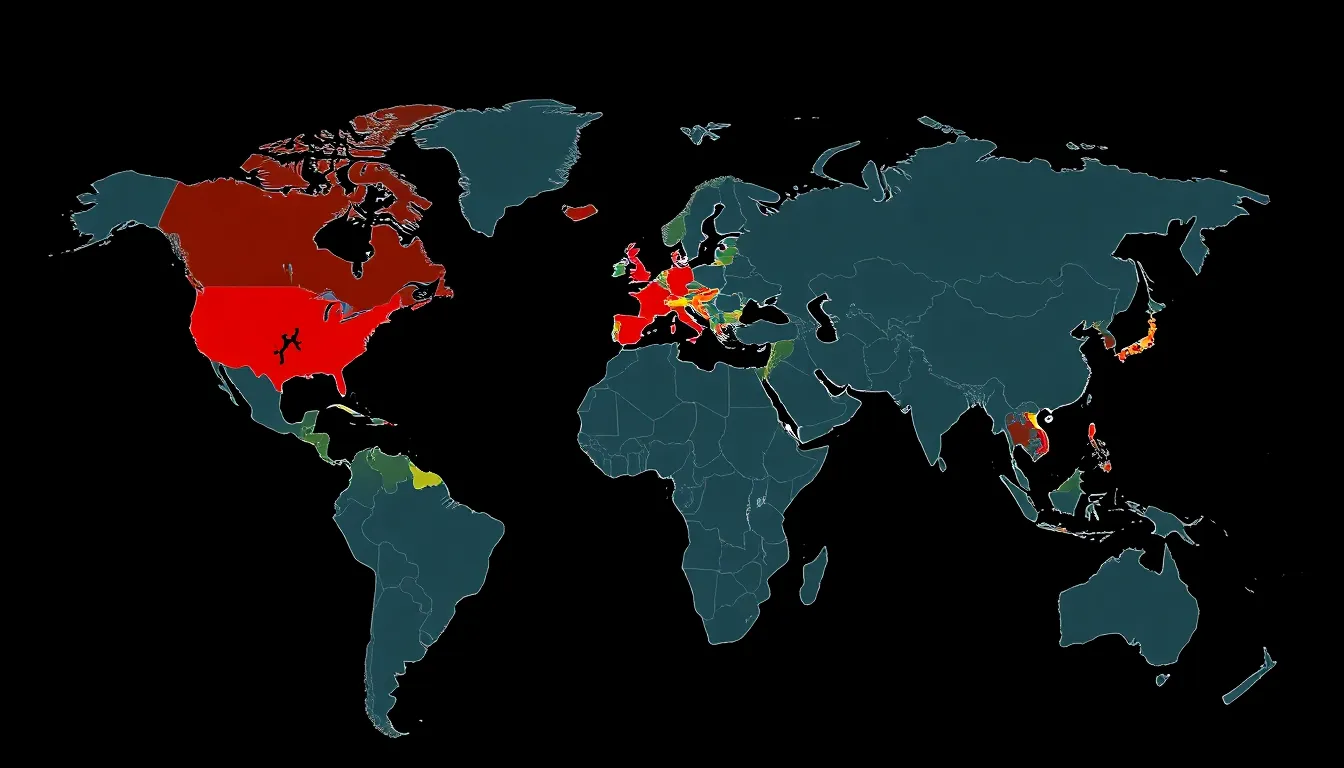
Introduction: A World of Interconnected Tensions
Turn on the news, and you’ll quickly notice that the world is rarely completely at peace. Conflicts between nations, political tensions, and security concerns seem to be constant features of global affairs. These issues fall under the broad topic of geopolitical conflicts and global security—a field that explores how countries interact, compete, and sometimes clash.
While the term “geopolitics” might sound distant or abstract, its effects are very real. It influences economies, migration, energy prices, and even the safety of everyday life. Understanding these dynamics helps make sense of why the world functions the way it does.
What Are Geopolitical Conflicts?
Geopolitical conflicts arise when countries disagree over power, resources, territory, or political influence. These conflicts can take many forms, ranging from diplomatic disputes and economic sanctions to armed confrontations.
For example, nations may compete over access to natural resources like oil, water, or minerals. Others may dispute borders or seek greater influence in certain regions. Sometimes, ideological differences—such as political systems or beliefs—also play a role.
It’s important to note that not all conflicts lead to war. Many are managed through negotiation, diplomacy, or international agreements.
Understanding Global Security
Global security refers to efforts made by countries and international organizations to maintain peace and protect people from threats. These threats can include military conflicts, terrorism, cyberattacks, and even emerging challenges like climate-related instability.
Security is no longer just about defending borders. In today’s interconnected world, issues like economic stability, technological security, and environmental risks are also part of the broader security landscape.
Key Causes of Geopolitical Conflicts
Conflicts rarely have a single cause. Instead, they are often driven by a combination of factors:
-
Competition for Resources Natural resources such as oil, gas, and water are essential for economic growth. Competition over these resources can lead to tensions between nations.
-
Territorial Disputes Borders are not always clearly defined or universally accepted. Disagreements over land or maritime boundaries can escalate into conflict.
-
Political and Ideological Differences Countries with different political systems or ideologies may struggle to find common ground, leading to rivalry or mistrust.
-
Power and Influence Nations often seek to expand their influence globally or regionally. This competition can create friction, especially among powerful countries.
-
Historical Grievances Past conflicts, unresolved disputes, or historical tensions can continue to shape relationships between nations for generations.
The Role of International Organizations
To manage conflicts and promote stability, countries often rely on international organizations. One of the most important is the United Nations, which works to maintain peace through diplomacy, peacekeeping missions, and international law.
Other organizations, such as regional alliances and security groups, also play a role in addressing conflicts and promoting cooperation. These institutions provide platforms for dialogue, helping countries resolve disputes without resorting to violence.
Modern Forms of Conflict
Geopolitical conflict is not limited to traditional warfare. In recent years, new forms of conflict have emerged:
Cyber Warfare Countries may target each other’s digital infrastructure, disrupting communication systems, financial networks, or government operations.
Economic Warfare Sanctions, trade restrictions, and tariffs can be used to pressure other nations without direct military action.
Proxy Conflicts Instead of fighting directly, powerful countries may support different sides in a conflict, influencing outcomes indirectly.
These modern approaches show how conflict has evolved alongside technology and globalization.
Impact on Everyday Life
Even if conflicts occur far away, their effects can be felt globally. For example:
Energy prices may rise due to tensions in oil-producing regions Supply chains can be disrupted, affecting the availability of goods Refugee movements may increase due to instability Financial markets may react to uncertainty
In this way, geopolitical conflicts are not just political issues—they have real economic and social consequences.
The Importance of Diplomacy
Diplomacy is one of the most important tools for maintaining global security. It involves communication, negotiation, and compromise between nations.
Skilled diplomacy can prevent conflicts from escalating and help resolve disputes peacefully. Agreements, treaties, and ongoing dialogue are essential for building trust and cooperation.
While diplomacy does not always succeed immediately, it remains a crucial part of international relations.
Challenges to Global Security
Maintaining global security is not easy. Some of the main challenges include:
Rising global tensions between major powers Rapid technological changes creating new security risks Unequal distribution of resources leading to instability Lack of trust between nations
These challenges require constant effort and collaboration to manage effectively.
Moving Toward a More Stable Future
Despite ongoing conflicts, there are many efforts aimed at building a more peaceful world. International agreements, peacekeeping missions, and cooperation between countries all contribute to stability.
Education and awareness also play a role. When people understand global issues, they are better equipped to support policies and actions that promote peace.
Additionally, addressing root causes—such as poverty, inequality, and resource scarcity—can help reduce the likelihood of conflict in the long term.
Conclusion
Geopolitical conflicts and global security are complex but essential topics in understanding today’s world. While conflicts may seem unavoidable at times, they are not always permanent. Through cooperation, diplomacy, and shared responsibility, nations can work toward greater stability.
In an interconnected world, the actions of one country can affect many others. This makes global security a shared concern—one that requires ongoing effort, understanding, and collaboration.