Gig Economy & Freelance Platforms: Redefining Work on Your Own Terms
The gig economy and freelance platforms are reshaping how people earn, work, and build careers. With flexibility, independence, and global opportunities, more individuals are choosing work that fits their lives—not the other way around.
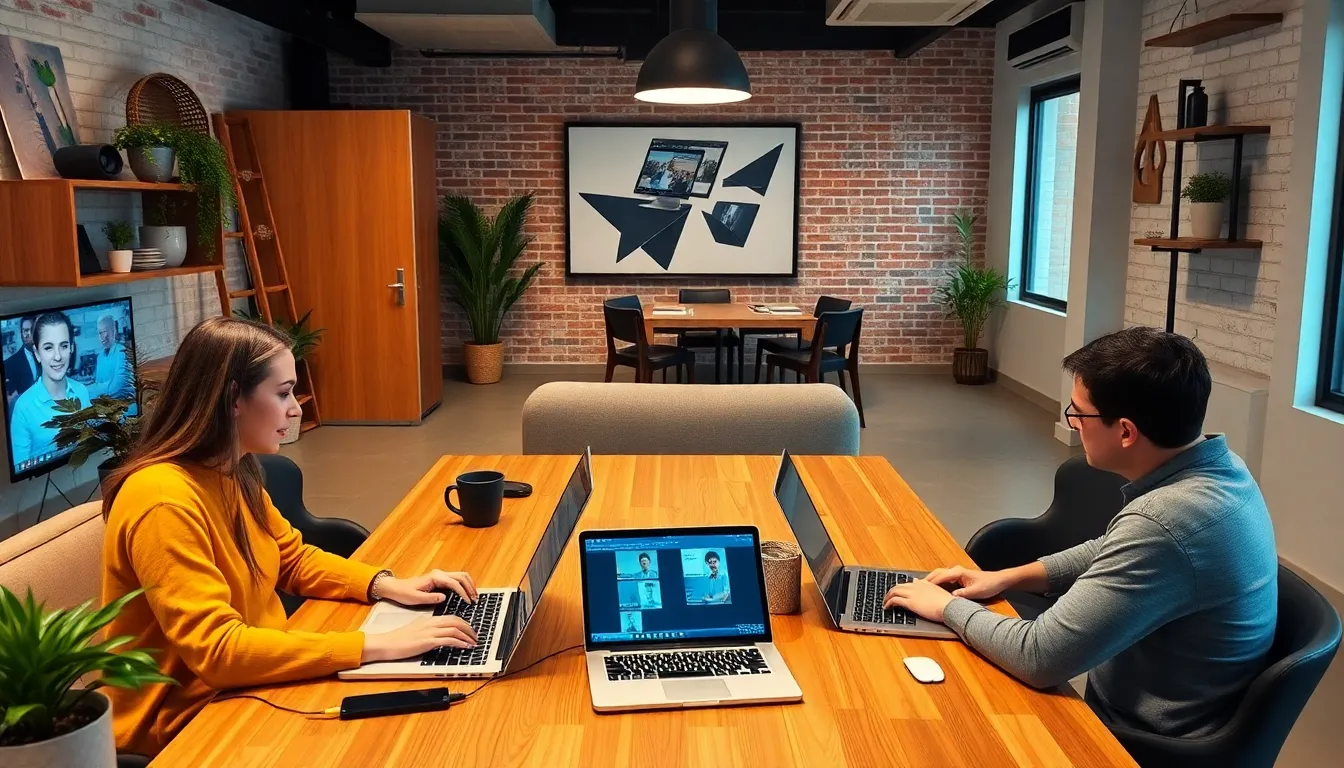
Gig Economy & Freelance Platforms
Work doesn’t look the way it used to—and for many people, that’s a good thing.
The traditional idea of a 9-to-5 job, tied to one company and one location, is gradually giving way to something more flexible. The gig economy and freelance platforms are at the center of this shift, offering people new ways to earn a living, build careers, and take control of their time.
At its simplest, the gig economy is made up of short-term, flexible work arrangements. Instead of being employed full-time by a single organization, individuals take on projects, contracts, or “gigs” for different clients. Freelance platforms act as the bridge, connecting workers with opportunities across the globe.
This model has opened doors for millions of people. Whether you’re a designer, writer, developer, marketer, or consultant, there’s likely a platform where your skills are in demand.
One of the biggest reasons people are drawn to the gig economy is flexibility. You’re no longer tied to a fixed schedule or a single workplace. You can choose when you work, where you work, and often even who you work with.
For some, this means working from home. For others, it means working while traveling, or balancing multiple projects at once. It’s about designing a work life that fits your personal life—not the other way around.
This level of control can be incredibly empowering.
Another advantage is the ability to diversify income. Instead of relying on a single paycheck, freelancers can work with multiple clients across different industries. This not only increases earning potential but also provides a sense of security—if one project ends, others can fill the gap.
Freelance platforms make this possible by bringing opportunities directly to workers. These platforms handle everything from job listings and client communication to payments and reviews. They create a structured environment within what might otherwise feel like an unpredictable space.
But beyond the practical benefits, there’s also a deeper shift happening. People are rethinking what a career looks like. Instead of climbing a single ladder, many are building portfolios of experiences—working on projects that align with their interests, values, and goals.
In this way, the gig economy isn’t just changing how we work—it’s changing how we think about work.
Of course, this new model isn’t without its challenges.
One of the most common concerns is income stability. Unlike traditional jobs, freelance work can be unpredictable. There may be busy periods followed by quieter ones, and managing this fluctuation requires planning and discipline.
Freelancers often need to think like entrepreneurs—budgeting carefully, saving for slower periods, and continuously looking for new opportunities.
Another challenge is the lack of traditional benefits. Full-time employees typically receive perks like health insurance, paid leave, and retirement plans. Freelancers, on the other hand, are responsible for managing these aspects themselves.
This can feel overwhelming at first, but it also encourages greater independence and financial awareness.
There’s also the question of competition. Because freelance platforms are global, workers are often competing with others from around the world. While this increases opportunity, it can also put pressure on pricing and make it harder to stand out.
Building a strong personal brand becomes essential. This includes showcasing your work, gathering positive reviews, and developing a clear area of expertise. Over time, reputation becomes one of the most valuable assets a freelancer can have.
Despite these challenges, many people find the benefits outweigh the drawbacks.
Technology plays a huge role in making the gig economy possible. High-speed internet, cloud tools, and collaboration platforms allow people to work together seamlessly, no matter where they are. Communication that once required physical presence can now happen instantly through video calls, messaging apps, and shared workspaces.
Looking ahead, the gig economy is expected to keep growing. More companies are embracing flexible talent models, bringing in freelancers for specific projects rather than hiring full-time employees for every role. This allows businesses to stay agile while accessing specialized skills when they need them.
At the same time, platforms are evolving to better support freelancers. We’re seeing improvements in payment security, skill verification, and even access to benefits like insurance and training programs.
There’s also a growing focus on community. Freelancing doesn’t have to be a solo journey. Online communities, co-working spaces, and networking events are helping freelancers connect, share knowledge, and support each other.
Interestingly, the gig economy is not limited to creative or digital roles. It spans a wide range of industries—from ride-sharing and delivery services to consulting and education. This diversity makes it one of the most dynamic parts of the modern workforce.
As this model continues to evolve, one thing becomes clear: flexibility is no longer just a perk—it’s becoming an expectation.
People want work that adapts to their lives, not the other way around. They want the freedom to explore different paths, develop new skills, and create careers that feel meaningful.
In conclusion, the gig economy and freelance platforms are reshaping the future of work in a very human way. They offer freedom, opportunity, and the chance to build a career that reflects who you are.
While there are challenges to navigate, the potential for independence and growth is significant. And as technology continues to improve and support systems become stronger, this way of working will likely become even more accessible.
The future of work isn’t one-size-fits-all anymore. It’s flexible, diverse, and increasingly shaped by the choices of individuals.