Global Supply Chain Management: How the World Moves Goods in a Connected Economy
Global Supply Chain Management is the system that ensures products move smoothly from manufacturers to consumers across the world. It connects suppliers, factories, logistics, and retailers to keep goods flowing efficiently in today’s global economy.
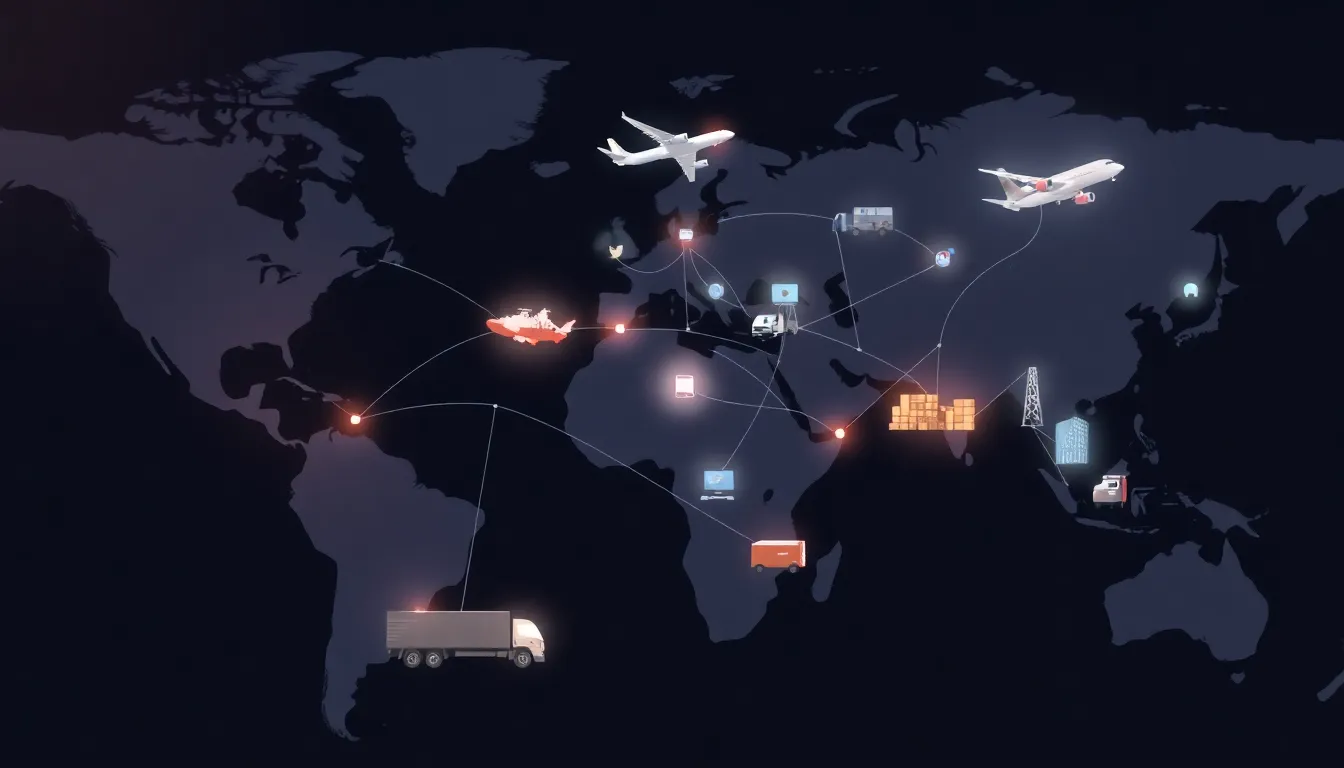
In today’s connected world, almost everything we use—phones, clothes, food, and even furniture—has traveled through a complex system before reaching us. This system is called the global supply chain, and managing it efficiently is known as Global Supply Chain Management.
Although it sounds technical, the idea is simple: it is all about making sure products are made, moved, stored, and delivered to the right place at the right time.
What is Global Supply Chain Management?
Global Supply Chain Management is the process of organizing and overseeing the flow of goods and services across different countries. It involves everything from sourcing raw materials to delivering finished products to customers.
A supply chain includes:
Suppliers (who provide raw materials) Manufacturers (who create products) Warehouses (who store goods) Logistics companies (who transport goods) Retailers (who sell products to customers)
When all these parts work together smoothly across borders, it is called a global supply chain.
How the Global Supply Chain Works
Let’s break it down into simple steps:
- Sourcing Raw Materials
Everything starts with raw materials. For example, cotton for clothing or metal for electronics may come from different countries.
- Manufacturing
Raw materials are sent to factories where they are turned into finished products like shirts, smartphones, or cars.
- Storage and Warehousing
Once products are made, they are stored in warehouses until they are needed.
- Transportation
Goods are shipped using trucks, ships, trains, or airplanes. This is one of the most important parts of the supply chain.
- Distribution
Products are sent to stores or directly to customers through online orders.
- Final Delivery
The product finally reaches the customer’s doorstep or a retail shop.
Each step must work smoothly; otherwise, delays and shortages can happen.
Why Global Supply Chains Matter
Global supply chains are the backbone of the modern economy. Without them, international trade and everyday shopping would be impossible.
- Access to Global Products
We can buy goods from anywhere in the world, from Japanese electronics to Italian fashion.
- Lower Costs
Producing goods in different countries helps reduce manufacturing costs.
- Economic Growth
Supply chains create jobs and support businesses across many industries.
- Efficiency
When managed well, supply chains reduce waste and improve delivery speed.
Key Components of Supply Chain Management
A successful supply chain depends on several important elements:
Procurement
This is the process of finding and buying raw materials or services needed for production.
Production Planning
Manufacturers decide what to produce, how much to produce, and when.
Inventory Management
Companies must carefully manage stock levels to avoid shortages or overproduction.
Logistics and Transportation
This involves moving goods efficiently across countries and continents.
Demand Forecasting
Businesses predict what customers will want in the future to prepare in advance.
Technology in Global Supply Chains
Technology has completely transformed supply chain management.
Tracking Systems
Companies now use GPS and digital tracking to monitor shipments in real time.
Automation
Robots and AI help manage warehouses and improve speed and accuracy.
Big Data Analytics
Businesses analyze data to predict demand and improve decision-making.
Blockchain Technology
Blockchain increases transparency by tracking every step of a product’s journey.
Cloud Systems
Cloud platforms allow companies across the world to share information instantly.
Challenges in Global Supply Chain Management
Even though global supply chains are powerful, they face several challenges:
- Transportation Delays
Bad weather, port congestion, or political issues can slow down deliveries.
- Global Disruptions
Events like pandemics or wars can break supply chains unexpectedly.
- Rising Costs
Fuel prices, labor costs, and shipping expenses can increase overall costs.
- Complex Coordination
Managing suppliers and partners across multiple countries is difficult.
- Environmental Impact
Global shipping and production can contribute to pollution and carbon emissions.
Real-World Examples Electronics Industry
A smartphone may have components made in different countries:
Chips from Taiwan Screens from South Korea Assembly in China Fashion Industry
Clothing brands often source cotton from one country, design in another, and manufacture in a third.
Food Industry
Food products are grown, processed, packaged, and shipped globally before reaching supermarkets.
How Businesses Improve Supply Chains
Companies are constantly working to make supply chains better:
Diversifying Suppliers
Relying on multiple suppliers reduces risk.
Using Automation
Automated warehouses and systems improve speed and accuracy.
Improving Forecasting
Better predictions help avoid overstocking or shortages.
Sustainable Practices
Companies are focusing on reducing waste and using eco-friendly transport methods.
The Future of Global Supply Chain Management
The future of supply chains is becoming more digital, fast, and intelligent.
We can expect:
AI-powered decision-making systems Fully automated warehouses Real-time global tracking for all goods More eco-friendly logistics solutions Greater resilience against global disruptions
Supply chains will become smarter and more flexible, allowing businesses to adapt quickly to changes.
Conclusion
Global Supply Chain Management is the invisible system that keeps the world connected. Every product we use has traveled through a complex network of people, machines, and systems across different countries.
As technology continues to evolve, supply chains will become faster, smarter, and more efficient. However, they will also need to become more resilient and sustainable to handle global challenges.
In simple terms, global supply chains are what make modern life possible—quietly ensuring that everything we need reaches us, no matter where it comes from.