The Constant Buzz: How Your Phone Might Be Fueling Your Anxiety
Ever feel that knot in your stomach when your phone pings, or that nagging urge to check it constantly? You're not alone. Our pocket-sized computers are deeply intertwined with our modern anxieties.
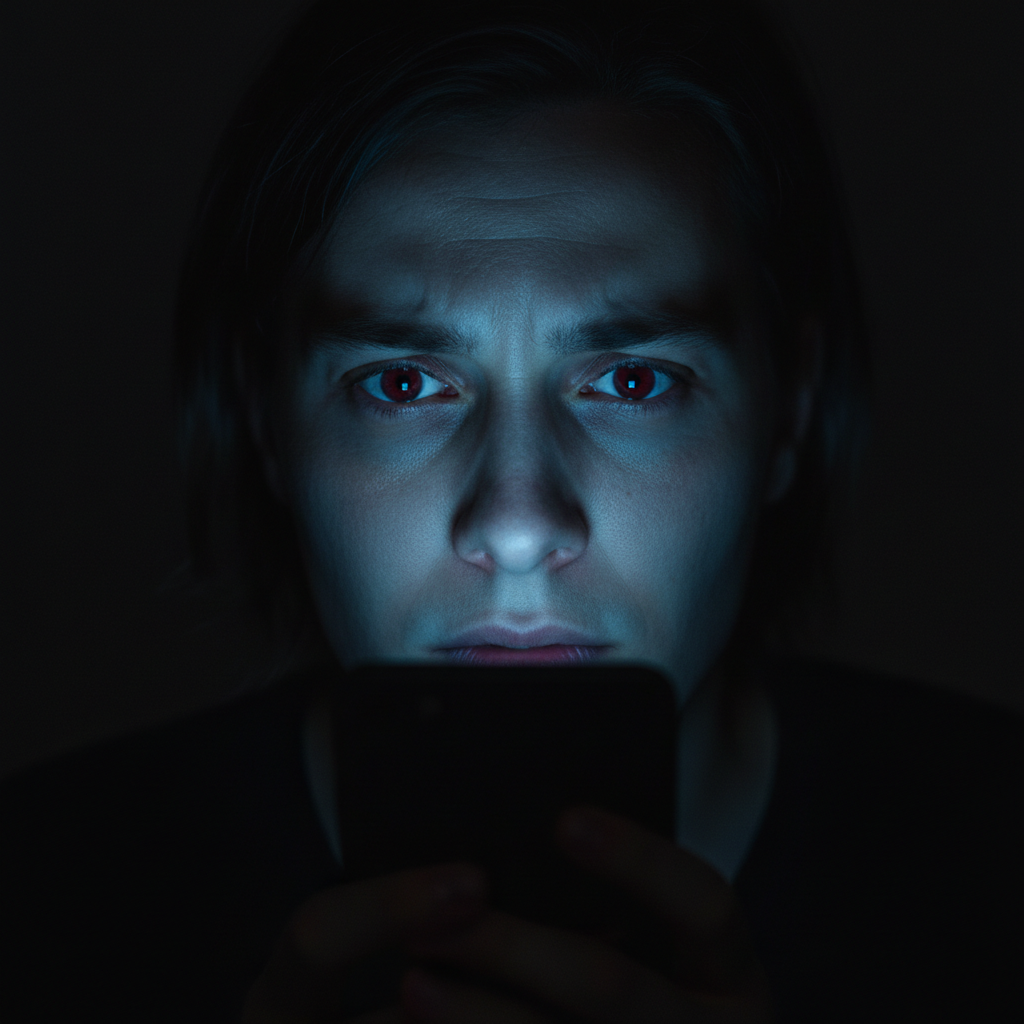
Sarah, a marketing manager in her early thirties, describes a familiar modern ritual. "My phone's usually the first thing I grab in the morning and the last thing I see at night," she admitted recently over coffee, her eyes a little tired. "It's not just work emails. It's news alerts, social media, texts from friends. Sometimes I feel like I'm constantly braced for something, even when nothing's actually wrong. It's exhausting, honestly. Like a low-grade hum of dread." Sarah’s experience isn’t unique; it's a feeling echoed by millions as our lives become increasingly tethered to the devices in our pockets.
For many of us, our smartphones have transitioned from helpful tools to indispensable extensions of ourselves. They connect us, inform us, entertain us. But this constant connectivity comes with a hidden cost, a subtle erosion of mental peace that often manifests as increased anxiety. It’s not that simple, though. Phones aren’t inherently evil, but the way we interact with them, and the societal pressures they embody, can certainly stir up a lot of unease.
Key Takeaways:
- Constant connectivity breeds a 'fear of missing out' (FOMO) and an unrealistic sense of urgency, both major anxiety drivers.
- Notifications, blue light, and doomscrolling disrupt sleep patterns and contribute to chronic stress.
- Social media creates a fertile ground for comparison culture, body image issues, and cyberbullying, intensifying feelings of inadequacy.
- Blurred lines between work and personal life, thanks to mobile access, make it harder to truly disconnect and de-stress.
- Mindful usage, like setting boundaries and scheduled breaks, is crucial for mitigating phone-induced anxiety.
Let’s dig into how these powerful little devices, designed to bring us closer, can sometimes push us further into a state of worry and agitation.
The Tyranny of the Notification
Think about it: every buzz, every ping, every little red badge. Each one is a tiny demand on your attention. Psychologists often talk about operant conditioning, and our phones are masters of it. Those intermittent rewards – a like, a new message, a news alert – train our brains to constantly anticipate the next one. It’s a dopamine hit, pure and simple, and our brains get hooked.
"This constant state of readiness, this expectation of an incoming stimulus, keeps our nervous system on high alert," explains Dr. Evelyn Reed, a cognitive psychologist at the University of California, Berkeley. "It's like our primal 'fight or flight' response is being constantly tickled, but without a clear threat. Over time, that translates into generalized anxiety, restlessness, and difficulty concentrating on single tasks." We’re always waiting for the next thing, unable to fully immerse ourselves in the present moment. This perpetual state of digital vigilance can be particularly detrimental to our mental health, as detailed in recent research on digital well-being and mental health.
FOMO and the Comparison Trap
Scroll through Instagram or Facebook for just a few minutes, and what do you see? Highlight reels. Exotic vacations, perfect meals, successful careers, beaming families. Everyone else, it seems, is living their best life. And you? You're probably sitting on your couch, scrolling.
This isn't just harmless observation; it's a breeding ground for the "fear of missing out," or FOMO. We see what others are doing, and we internalize a sense of inadequacy. "Social media platforms are designed to showcase idealized versions of reality," says Dr. Alex Chen, a clinical psychologist specializing in adolescent mental health. "For younger generations especially, this constant stream of curated perfection can lead to profound feelings of envy, loneliness, and a deep-seated belief that they're not good enough or that their own lives are somehow lacking." It’s a relentless comparison trap that feeds directly into anxiety and often, depression. This phenomenon often impacts the future of work as well, with professionals feeling pressured to maintain a certain online image.
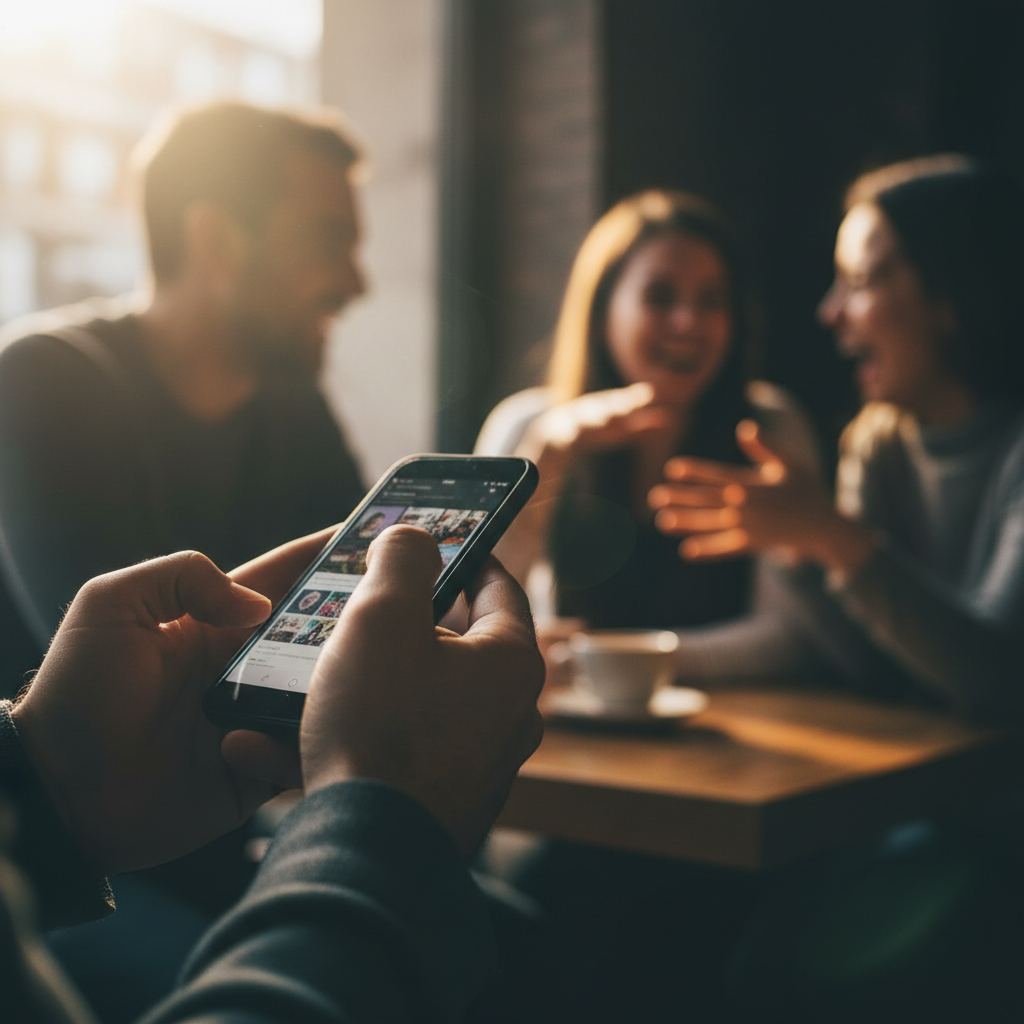
Sleep Deprivation and Blue Light
One of the most insidious ways phones fuel anxiety is through their impact on sleep. How many of us check our phones one last time before bed? Or even keep them right next to our pillow, ready for that first early morning glance? That blue light emitted from our screens? It messes with our circadian rhythm, suppressing melatonin, the hormone that tells our body it's time to wind down. So, we stay awake longer, and our sleep quality suffers.
"Poor sleep isn't just about feeling tired," Dr. Reed points out. "It directly impairs our ability to regulate emotions, increases irritability, and makes us more vulnerable to stress and anxiety the next day." It's a vicious cycle: anxiety makes it harder to sleep, and lack of sleep makes us more anxious. Plus, the content we consume late at night – distressing news, heated arguments on social media – often leaves our minds racing, far from the peaceful state required for restful sleep.
Doomscrolling and Information Overload
We live in an era of unprecedented access to information. While knowledge is power, an endless barrage of often negative news can be overwhelming. This leads to "doomscrolling," the compulsive habit of continuously scrolling through bad news, even when it makes us feel terrible. It’s a phenomenon that exploded during the early days of the pandemic and hasn't really let up.
Our brains aren't really equipped to process a constant global stream of crises, political turmoil, and environmental disasters. We’re designed to react to immediate threats in our local environment. When we're exposed to an unrelenting feed of distant problems, it can trigger a chronic sense of helplessness and dread, without providing any actionable way to respond. "It creates a perpetual state of low-level panic," says Dr. Chen. "People feel overwhelmed, powerless, and constantly on edge. It's a significant contributor to what we're now calling 'eco-anxiety' or 'news anxiety.'"
Blurred Boundaries and Constant Availability
Remember when you left work, you left work? Now, your boss can text you at 9 PM, clients expect instant responses, and team chats buzz long after hours. Smartphones have blurred the lines between our professional and personal lives to an almost unrecognizable degree. There’s no true off-switch, no real escape.
This expectation of constant availability, this inability to disconnect, creates immense pressure. It steals away precious downtime, the moments we need to recharge, engage in hobbies, or simply be present with loved ones. Without these breaks, burnout becomes inevitable, and anxiety flourishes. It’s a challenge many individuals face in trying to maintain a healthy work-life balance.
Finding a Path Forward: Mindful Phone Use
So, what do we do? Throw our phones into a river? Probably not practical. The goal isn't necessarily to abandon our devices, but to develop a more mindful, intentional relationship with them. It’s about being in control, rather than letting the device control us.
Start small. Try implementing "phone-free zones" in your home, like the dinner table or bedroom. Set specific times for checking emails and social media, and stick to them. Turn off non-essential notifications – you'd be surprised how little you miss. Consider a digital detox for a day or even just a few hours. Use your phone’s built-in screen time trackers not to shame yourself, but to gain awareness of your habits. Think about education and skills needed to navigate this digital landscape responsibly.
It takes effort, sure, but regaining a sense of control over your digital life can lead to a significant reduction in anxiety. It can free up mental space, improve sleep, and allow for more meaningful connections in the real world. Our phones are powerful tools; it's up to us to make sure they serve us, rather than enslave us.
Frequently Asked Questions:
-
Can my phone really cause anxiety? Yes, absolutely. While phones don't directly cause clinical anxiety disorders, the way we use them – constant notifications, social comparison, sleep disruption – can significantly exacerbate existing anxieties or create new feelings of worry and unease.
-
What's the best way to reduce phone-induced anxiety? The most effective strategies involve setting clear boundaries. Try turning off non-essential notifications, designating phone-free times and zones (like bedrooms), and consciously limiting social media and news consumption, especially before bed.
-
Is digital detox necessary? Not always, but periodic digital detoxes can be incredibly beneficial. Even short breaks, like a few hours or a full day, can help reset your relationship with your device, reduce sensory overload, and improve focus and mood.
-
How does blue light affect my anxiety? Blue light from phone screens interferes with melatonin production, disrupting your natural sleep cycle. Poor sleep directly impairs emotional regulation and increases your vulnerability to stress and anxiety the following day, creating a negative feedback loop.