Inflation and Cost of Living: Understanding Why Prices Keep Rising and What It Means for Households
Inflation and cost of living are two closely linked economic concepts that explain why everyday essentials like food, housing, transport, and energy become more expensive over time. This article explores what inflation is, why it happens, how it affects households and economies, and what individuals and governments can do to manage its impact.
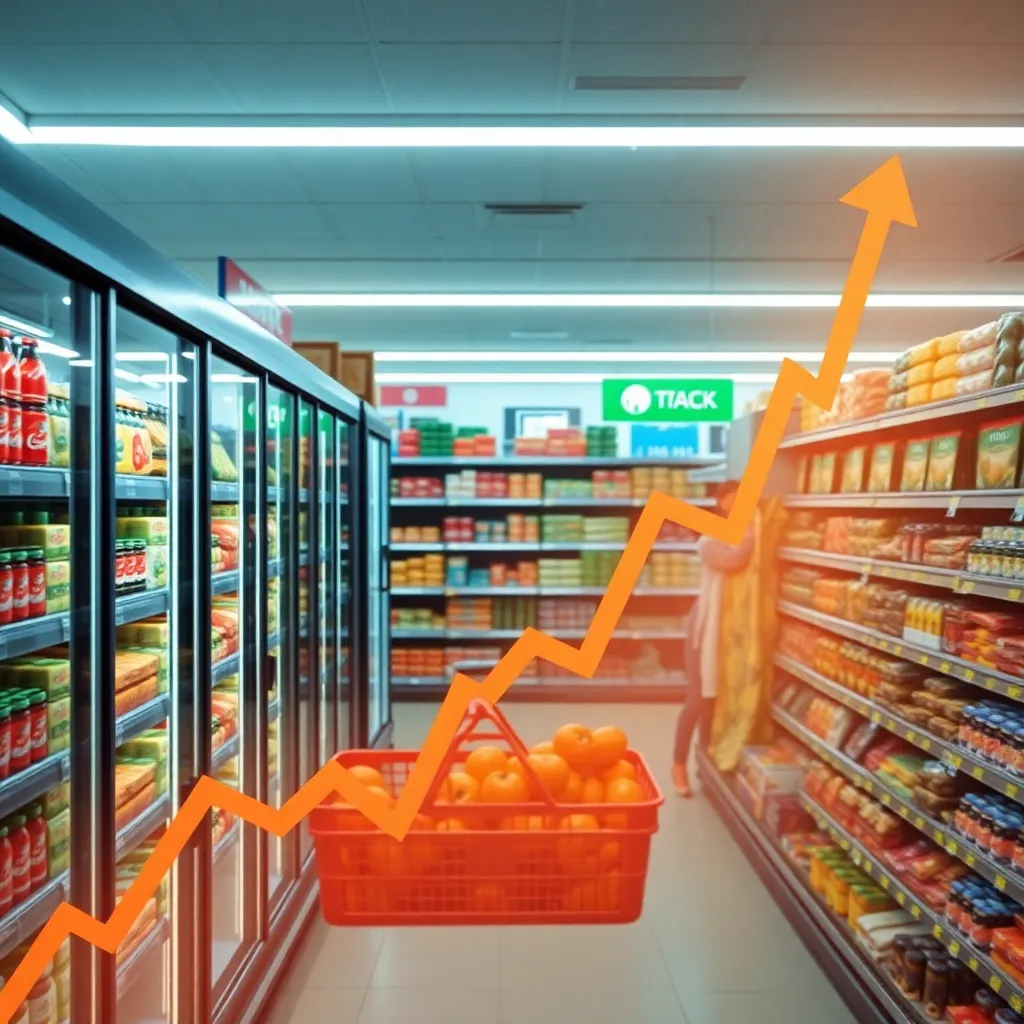
Understanding Inflation and Cost of Living
Inflation and cost of living are two of the most important concepts in modern economics because they directly affect how people live their daily lives. Inflation refers to the general increase in prices of goods and services over time, while cost of living describes how expensive it is to maintain a certain standard of living in a specific place and period. Although they are different ideas, they are closely connected: when inflation rises, the cost of living usually increases as well.
At its core, inflation reduces the purchasing power of money. This means that over time, the same amount of money buys fewer goods and services than before. For example, if a loaf of bread costs €2 today and inflation rises by 5% annually, that same loaf may cost €2.10 next year. While this may seem small for one item, the effect becomes significant when applied across rent, transport, healthcare, energy, and other essentials.
What Causes Inflation?
Inflation does not happen for a single reason. Instead, it is usually the result of multiple economic factors working together. The most common causes include:
-
Demand-Pull Inflation This occurs when demand for goods and services exceeds supply. When consumers have more money to spend, businesses may raise prices because people are willing to pay more. For example, during periods of economic growth, increased spending can push prices upward.
-
Cost-Push Inflation This happens when production costs increase. If raw materials, wages, or energy become more expensive, businesses often pass these costs onto consumers through higher prices. For instance, rising fuel prices can increase transportation costs, which then affects the price of nearly all goods.
-
Monetary Inflation When a country’s money supply increases too quickly, the value of money can fall. Central banks influence this through interest rates and money supply policies. If too much money circulates in the economy, it can lead to higher prices.
-
Supply Chain Disruptions Events such as natural disasters, pandemics, or geopolitical conflicts can disrupt production and distribution. When supply is limited but demand remains strong, prices naturally increase.
Understanding Cost of Living
The cost of living refers to how much money is needed to cover basic expenses such as housing, food, transportation, healthcare, education, and utilities. Unlike inflation, which is a broad economic measure, cost of living is more personal and location-specific.
For example, living in a large city is often more expensive than living in a rural area. Rent, groceries, and services may cost significantly more in urban centers due to higher demand and limited space. This is why salaries in cities are often higher—to compensate for the increased cost of living.
Governments and economists often use a measurement called the Consumer Price Index (CPI) to track changes in the cost of living. The CPI measures the average price changes of a basket of goods and services over time.
How Inflation Impacts Households
Inflation affects individuals and families in several important ways:
-
Reduced Purchasing Power When prices rise faster than wages, people can afford less than before. This can lead to financial stress, especially for low- and middle-income households.
-
Higher Living Expenses Basic needs such as rent, groceries, and energy bills become more expensive, forcing households to adjust their budgets.
-
Savings Lose Value Money saved in bank accounts may lose real value if interest rates are lower than inflation rates. This means savings may not grow enough to keep up with rising prices.
-
Wage Pressure Employees may demand higher wages to match rising costs. However, wage increases do not always keep pace with inflation, leading to a gap between income and expenses.
Effects on the Economy
Inflation is not always negative. Moderate inflation is actually considered normal and even healthy for a growing economy. It encourages spending and investment, as people are less likely to delay purchases when prices are slowly rising.
However, high inflation can create serious economic problems:
It reduces consumer confidence It increases uncertainty for businesses It can discourage long-term investment It may lead to unequal economic impacts across society
On the other hand, very low inflation or deflation (falling prices) can also be harmful, as it may reduce spending and slow down economic growth.
Managing Inflation
Governments and central banks play a key role in controlling inflation. They use several tools:
Interest Rate Adjustments Raising interest rates makes borrowing more expensive, which can reduce spending and slow inflation.
Monetary Policy Central banks control the money supply to ensure it grows at a stable rate.
Fiscal Policy Governments may adjust taxes and public spending to influence economic activity.
Supply-Side Policies Improving production efficiency, infrastructure, and workforce skills can help increase supply and reduce cost pressures.
How Individuals Can Adapt
While individuals cannot control inflation, they can take steps to manage its effects:
Budgeting carefully and tracking expenses Investing savings in assets that may outpace inflation Reducing unnecessary spending Improving financial literacy Seeking higher income opportunities or skill development
Understanding inflation helps people make better financial decisions and prepare for changes in the economy.
Conclusion
Inflation and cost of living are central to understanding how economies function and how individuals experience financial change. While inflation reflects the overall rise in prices, cost of living shows how these changes affect everyday life. Together, they shape wages, savings, spending habits, and economic stability.
Although inflation is a natural part of economic systems, its impact can be managed through smart policy decisions and informed personal financial planning. By understanding these concepts, individuals are better equipped to navigate economic uncertainty and maintain financial stability in a changing world.