Inflation, Interest Rates, and Economic Stability: Understanding the Forces That Shape Everyday Economies
Inflation, interest rates, and economic stability are key forces that influence the cost of living, borrowing, saving, and overall financial health. Understanding how they interact helps individuals, businesses, and governments make smarter economic decisions.
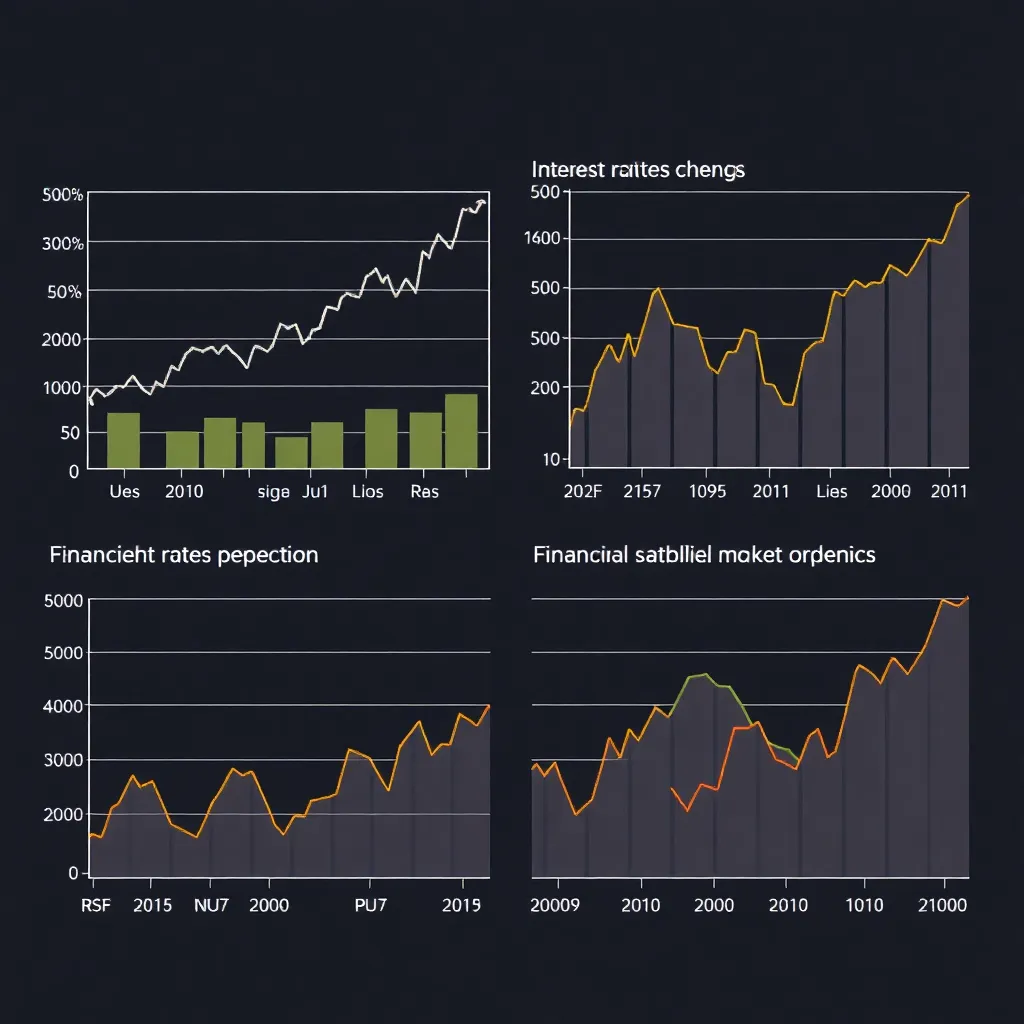
Inflation, Interest Rates, and Economic Stability: Understanding the Forces That Shape Everyday Economies Economies are constantly moving systems shaped by a complex mix of forces. Among the most important of these are inflation, interest rates, and economic stability. These three elements influence everything from the price of groceries to the cost of housing, loans, and business investments. While they may sound technical, these concepts directly affect everyday life. Understanding how they work—and how they interact—helps people make better financial decisions and better understand the world around them. What Is Inflation? Inflation refers to the gradual increase in the prices of goods and services over time. When inflation rises, the purchasing power of money decreases, meaning each unit of currency buys less than before. For example, if inflation is high, the same amount of money that once bought groceries for a week may now only cover a few days. Inflation is a natural part of most economies, but when it becomes too high or too unpredictable, it can create financial stress for individuals and businesses. Moderate inflation is often seen as a sign of a growing economy, but excessive inflation can reduce savings value and increase living costs. Causes of Inflation Inflation can occur for several reasons. One common cause is increased demand. When people and businesses spend more money than available supply can support, prices tend to rise. Another cause is increased production costs. If the cost of raw materials, labor, or transportation increases, businesses may raise prices to maintain profits. Inflation can also be influenced by changes in money supply. When more money circulates in the economy without a corresponding increase in goods and services, prices can rise. These factors often interact with each other, making inflation a complex and dynamic process. What Are Interest Rates? Interest rates represent the cost of borrowing money or the reward for saving it. When individuals or businesses take loans, they pay interest to lenders. When they save money, they earn interest. Central banks, such as national financial authorities, play a major role in setting interest rates. These rates influence how expensive or affordable borrowing becomes in the economy. Low interest rates generally encourage borrowing and spending, while high interest rates tend to encourage saving and reduce borrowing. How Interest Rates Affect Daily Life Interest rates influence many aspects of financial life. For example, they affect mortgage payments, car loans, credit card debt, and business financing. When interest rates are low, borrowing becomes cheaper. This can encourage people to buy homes, invest in businesses, or spend more money. When interest rates are high, borrowing becomes more expensive. This can slow down spending and reduce inflation but may also slow economic growth. Interest rates also affect savings. Higher rates usually mean better returns on savings accounts, while lower rates reduce those returns. The Role of Central Banks Central banks are responsible for managing a country’s monetary policy, including inflation and interest rates. Their main goal is often to maintain economic stability. They adjust interest rates based on economic conditions. If inflation is too high, they may raise interest rates to slow down spending. If the economy is weak, they may lower interest rates to encourage growth. These decisions are carefully balanced because they affect millions of people, businesses, and financial markets. What Is Economic Stability? Economic stability refers to a condition where an economy grows steadily without extreme fluctuations in inflation, unemployment, or financial markets. A stable economy is predictable. Businesses can plan investments, individuals can manage finances confidently, and governments can implement long-term policies. Economic instability, on the other hand, can involve rapid inflation, high unemployment, or financial crises. These conditions create uncertainty and can impact quality of life. Stability is important because it supports long-term growth and reduces financial risk. The Relationship Between Inflation and Interest Rates Inflation and interest rates are closely connected. Central banks often use interest rates as a tool to control inflation. When inflation rises too quickly, increasing interest rates can help slow down spending and borrowing. This reduces demand and helps stabilize prices. When inflation is low or the economy is weak, lowering interest rates can encourage spending and investment, helping stimulate growth. This balancing act is a key part of economic management. How These Factors Affect Individuals For individuals, inflation and interest rates directly impact daily financial decisions. High inflation can make everyday expenses more expensive, affecting food, transportation, and housing costs. Interest rates influence loan affordability and savings growth. For example, a lower interest rate might make buying a home more accessible, while a higher rate might make loans more expensive but savings more rewarding. Understanding these factors helps people plan budgets, manage debt, and make informed financial choices. Impact on Businesses and Employment Businesses are also heavily influenced by inflation and interest rates. Rising costs due to inflation can reduce profit margins or force companies to raise prices. Higher interest rates can make borrowing for expansion more expensive, slowing business growth. On the other hand, stable economic conditions allow businesses to invest confidently, hire more employees, and expand operations. Employment levels are closely tied to economic stability. When the economy is strong, job opportunities increase. When it weakens, unemployment may rise. Global Economic Connections In today’s interconnected world, economies are closely linked. Changes in one country’s inflation or interest rates can influence global markets. International trade, investment flows, and currency values are all affected by economic conditions in different regions. This global connection means that economic stability is not just a national concern—it is a worldwide one. Challenges in Maintaining Stability Maintaining economic stability is not easy. Economies are influenced by many unpredictable factors such as global events, natural disasters, supply chain disruptions, and political changes. Central banks and governments must constantly adjust policies to respond to changing conditions. Finding the right balance between controlling inflation and supporting growth is one of the most difficult tasks in economics. Inflation in Everyday Experience Even without understanding economics, people experience inflation in their daily lives. Rising prices at grocery stores, fuel stations, and housing markets are all visible signs. These changes can feel gradual but have a significant impact over time, especially on households with fixed incomes. Understanding inflation helps individuals recognize why prices change and how to adapt financially. The Future of Economic Management As economies evolve, new tools and technologies are being used to monitor and manage inflation and interest rates. Data analytics, artificial intelligence, and real-time financial tracking help policymakers make more informed decisions. At the same time, global challenges such as climate change, digital currencies, and shifting labor markets are adding new complexity to economic systems. Future economic management will likely require even greater flexibility and global cooperation. Final Thoughts Inflation, interest rates, and economic stability are fundamental forces that shape how economies function and how people live their daily lives. They influence everything from personal finances to global markets, making them essential concepts to understand in the modern world. While they can be complex, their effects are very real and very personal. Prices, wages, savings, and opportunities are all connected to these economic forces. By understanding how they work together, individuals can make more informed decisions and better navigate the financial world around them. Ultimately, economic stability depends on balance—between growth and control, spending and saving, and opportunity and risk.