Integration with Emerging Technologies: Shaping the Future of Innovation
As technology continues to evolve at an unprecedented pace, integrating emerging technologies into existing systems has become a critical area of future development. This section explores how advancements such as artificial intelligence, the Internet of Things, and blockchain can enhance efficiency, scalability, and innovation across industries.
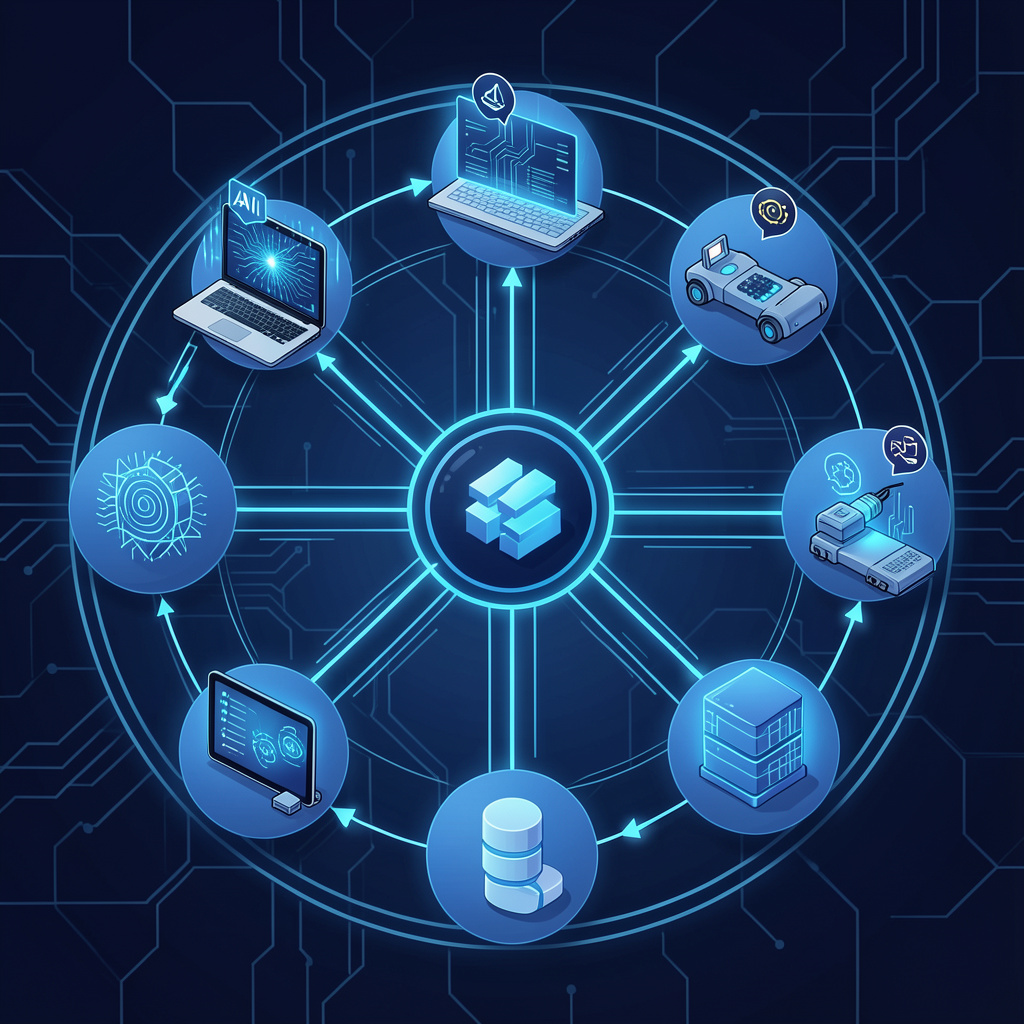
The rapid advancement of technology continues to redefine how systems operate, interact, and evolve. As industries increasingly rely on digital solutions, the integration of emerging technologies has become a crucial direction for future work. This area focuses on incorporating cutting-edge innovations—such as artificial intelligence (AI), the Internet of Things (IoT), blockchain, and advanced data analytics—into existing frameworks to enhance functionality, efficiency, and adaptability.
One of the most significant opportunities lies in the integration of artificial intelligence. AI has the potential to transform systems by enabling them to learn from data, make intelligent decisions, and automate complex processes. In future developments, AI can be embedded into applications to provide predictive insights, improve user experiences, and reduce human intervention. For instance, AI-driven analytics can identify patterns that would otherwise go unnoticed, allowing organizations to make more informed decisions. Additionally, machine learning models can continuously improve system performance over time, making them more robust and efficient.
Another key area of integration is the Internet of Things. IoT connects physical devices to the digital world, allowing them to collect and exchange data in real time. By incorporating IoT into systems, organizations can achieve greater visibility and control over their operations. For example, in smart environments, IoT devices can monitor conditions, automate responses, and optimize resource usage. Future work can focus on expanding IoT networks, improving interoperability between devices, and ensuring secure data transmission. As the number of connected devices continues to grow, scalable solutions will be essential to manage the increasing complexity.
Blockchain technology also presents promising opportunities for future integration. Known for its decentralized and secure nature, blockchain can enhance transparency and trust in digital systems. It can be particularly useful in areas such as data management, supply chain tracking, and secure transactions. By integrating blockchain, systems can ensure data integrity and reduce the risk of unauthorized modifications. Future research can explore more efficient consensus mechanisms, reduce energy consumption, and develop hybrid models that combine blockchain with other technologies.
In addition to these technologies, advanced data analytics plays a critical role in enabling integration. Modern systems generate vast amounts of data, and the ability to process and analyze this data effectively is essential. By leveraging big data technologies, organizations can gain valuable insights into user behavior, system performance, and operational trends. Future work can focus on improving data processing speeds, enhancing visualization techniques, and developing more intuitive tools for decision-making.
However, integrating emerging technologies is not without challenges. One of the primary concerns is compatibility with existing systems. Many legacy systems were not designed to support modern technologies, making integration complex and resource-intensive. Future work must address these challenges by developing flexible architectures and standardized protocols that facilitate seamless integration.
Security and privacy are also critical considerations. As systems become more interconnected, the risk of cyber threats increases. Ensuring that integrated technologies are secure and compliant with data protection regulations is essential. Future developments should prioritize robust security frameworks, encryption methods, and continuous monitoring to safeguard sensitive information.
Another important aspect is scalability. As technologies evolve, systems must be able to handle increased demand and complexity. This requires designing solutions that can grow and adapt over time without compromising performance. Cloud computing and edge computing can play a vital role in supporting scalability by providing flexible and distributed resources.
Furthermore, the human factor should not be overlooked. Integrating new technologies often requires changes in workflows, skills, and organizational culture. Future work should include strategies for training, user adoption, and change management to ensure successful implementation. Providing intuitive interfaces and user-friendly designs can also help bridge the gap between advanced technologies and end-users.
Looking ahead, the integration of emerging technologies will continue to drive innovation and create new opportunities across various domains. Industries such as healthcare, finance, manufacturing, and education can benefit significantly from these advancements. For example, AI-powered diagnostics can improve healthcare outcomes, while blockchain can enhance financial security and transparency.
In conclusion, integrating emerging technologies represents a vital direction for future work. It offers the potential to enhance system capabilities, improve efficiency, and unlock new possibilities. However, achieving successful integration requires careful planning, addressing technical and organizational challenges, and ensuring security and scalability. By focusing on these areas, future developments can create more intelligent, connected, and resilient systems that are well-equipped to meet the demands of an increasingly digital world.