International Trade and Geopolitics: How Global Power and Commerce Shape the World Economy
International Trade and Geopolitics are deeply connected, shaping how countries exchange goods, form alliances, and compete for global influence. This relationship impacts economies, political stability, and everyday life across the world.
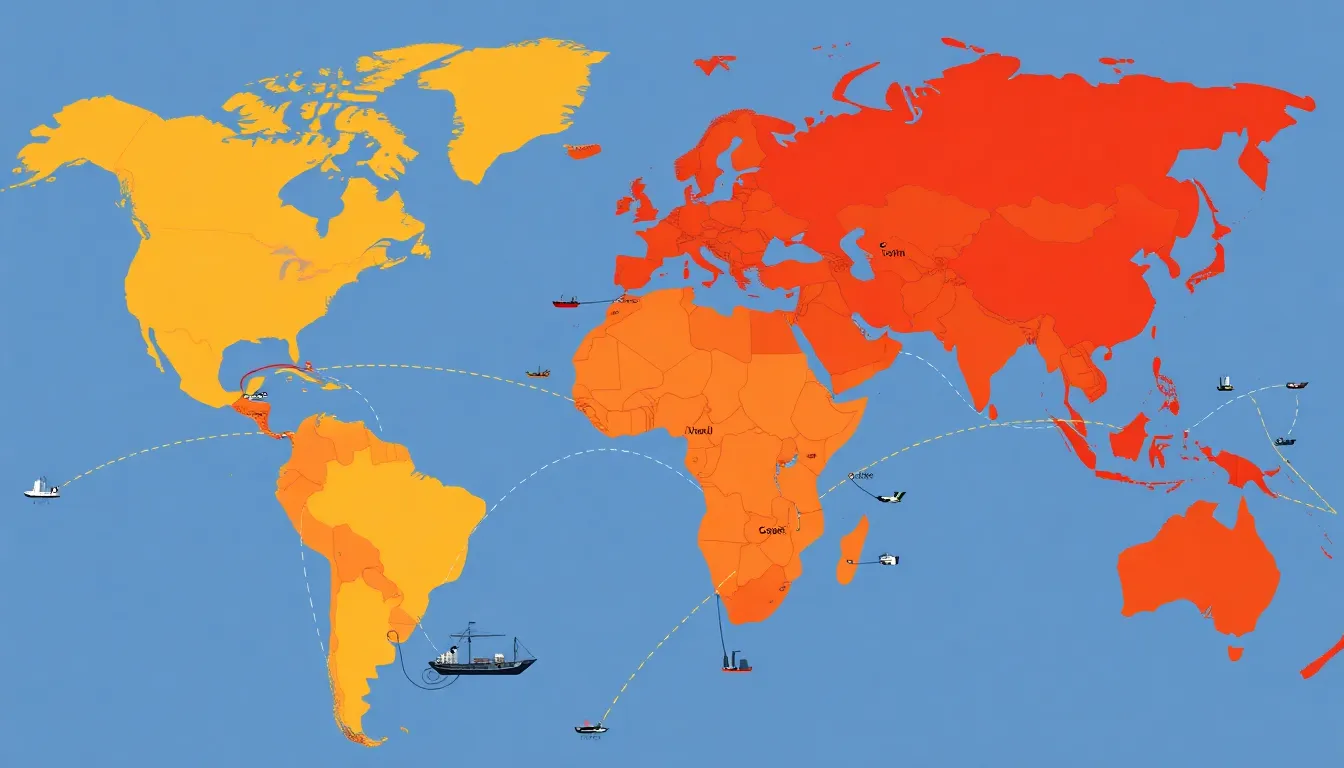
The world today is deeply interconnected. A product designed in one country may be manufactured in another, assembled in a third, and sold across dozens of nations. Behind this global movement of goods and services lies a powerful relationship between International Trade and Geopolitics.
These two forces shape not only how countries trade but also how they interact, cooperate, and compete on the world stage.
What is International Trade?
International trade refers to the exchange of goods and services between countries. It allows nations to buy and sell products they cannot produce efficiently on their own.
For example:
A country rich in oil may export energy A country with advanced technology may export electronics Agricultural nations may export food products
International trade helps countries specialize in what they do best while accessing resources from others.
What is Geopolitics?
Geopolitics is the study of how geography, politics, and power influence relationships between countries. It focuses on how nations use their location, resources, and influence to achieve political and economic goals.
In simple terms, geopolitics is about how countries compete and cooperate on a global level.
How Trade and Geopolitics Are Connected
International trade and geopolitics are deeply linked. Countries do not trade only based on economics—they also consider political relationships, alliances, and strategic interests.
For example:
Friendly countries often trade more with each other Political tensions can lead to trade restrictions or sanctions Strategic resources like oil, gas, and technology become geopolitical tools
This means trade is not just about money—it is also about power and influence.
Why International Trade is Important
International trade plays a key role in the global economy.
- Economic Growth
Countries grow faster when they trade with others, as they gain access to larger markets.
- Access to Resources
No country has everything it needs. Trade helps nations access raw materials and products from around the world.
- Lower Prices for Consumers
Competition in global markets often leads to more affordable products.
- Job Creation
Trade supports millions of jobs in manufacturing, logistics, agriculture, and services.
Geopolitics and Global Power
Geopolitics determines how power is distributed across the world. Countries with strong economies, military power, or control over key resources often have more influence in global decisions.
For example:
Countries that control major shipping routes can influence global trade Nations with advanced technology industries can shape digital economies Energy-producing countries can impact global energy prices
This balance of power affects international trade policies and agreements.
Trade Routes and Global Connectivity
Trade depends heavily on physical and digital routes.
Maritime Routes
Most global trade happens through sea routes using cargo ships. Oceans are the backbone of international commerce.
Air Transport
High-value and time-sensitive goods are transported by air.
Land Routes
Trucks and trains connect neighboring countries and regions.
Digital Trade
In today’s world, services like software, data, and online services are also traded globally.
These routes are influenced by political stability and international agreements.
Trade Agreements Between Countries
Countries often form agreements to make trade easier and more beneficial.
These agreements may:
Reduce taxes on imported goods Remove trade barriers Encourage investment between countries Strengthen political relationships
Trade agreements are powerful tools of diplomacy and geopolitics.
Geopolitical Conflicts and Trade Disruptions
When countries have political disagreements, trade is often affected.
Examples include:
Trade restrictions or sanctions Increased tariffs on imports Supply chain disruptions Reduced investment and cooperation
Such conflicts can have global effects, influencing prices and availability of goods worldwide.
Technology’s Role in Global Trade
Technology has transformed international trade in many ways.
Digital Platforms
Businesses can now trade goods and services online across borders.
Real-Time Tracking
Companies can track shipments globally using GPS and digital systems.
Artificial Intelligence
AI helps predict demand, manage supply chains, and optimize logistics.
Blockchain
Blockchain improves transparency in trade by recording transactions securely.
Technology has made global trade faster, smarter, and more efficient.
Challenges in International Trade
Despite its benefits, international trade faces several challenges:
Political Instability
Conflicts between countries can disrupt trade routes and agreements.
Economic Inequality
Not all countries benefit equally from global trade.
Supply Chain Risks
Natural disasters, pandemics, or conflicts can interrupt global supply chains.
Environmental Impact
Global transportation contributes to pollution and climate change.
Trade Barriers
Taxes, regulations, and restrictions can slow down trade.
Real-World Examples of Trade and Geopolitics Energy Trade
Countries that export oil and gas hold significant geopolitical influence.
Technology Competition
Nations compete in areas like semiconductor production and AI development.
Agricultural Trade
Food-exporting countries play a major role in global food security.
Manufacturing Hubs
Some countries dominate global manufacturing due to cost efficiency and infrastructure.
The Future of Global Trade and Geopolitics
The future of international trade will be shaped by both cooperation and competition.
We may see:
More regional trade agreements instead of global ones Increased focus on supply chain security Growth of digital and service-based trade Stronger emphasis on sustainability and green trade Greater influence of emerging economies
Geopolitics will continue to shape how countries trade and interact, but technology may help make systems more transparent and efficient.
Conclusion
International Trade and Geopolitics are two sides of the same global system. Trade connects countries economically, while geopolitics shapes the relationships and power dynamics behind those connections.
Together, they influence everything from the price of goods in stores to global political stability.
In a world that is more connected than ever, understanding how trade and geopolitics work together helps us better understand the forces shaping the global economy.