Migration and Refugee Policies: Navigating Humanity, Borders, and Belonging in a Changing World
Migration and refugee policies shape how countries respond to people seeking safety, opportunity, and a new beginning. At their core, these policies balance national interests with human dignity—impacting millions of lives across borders every day.
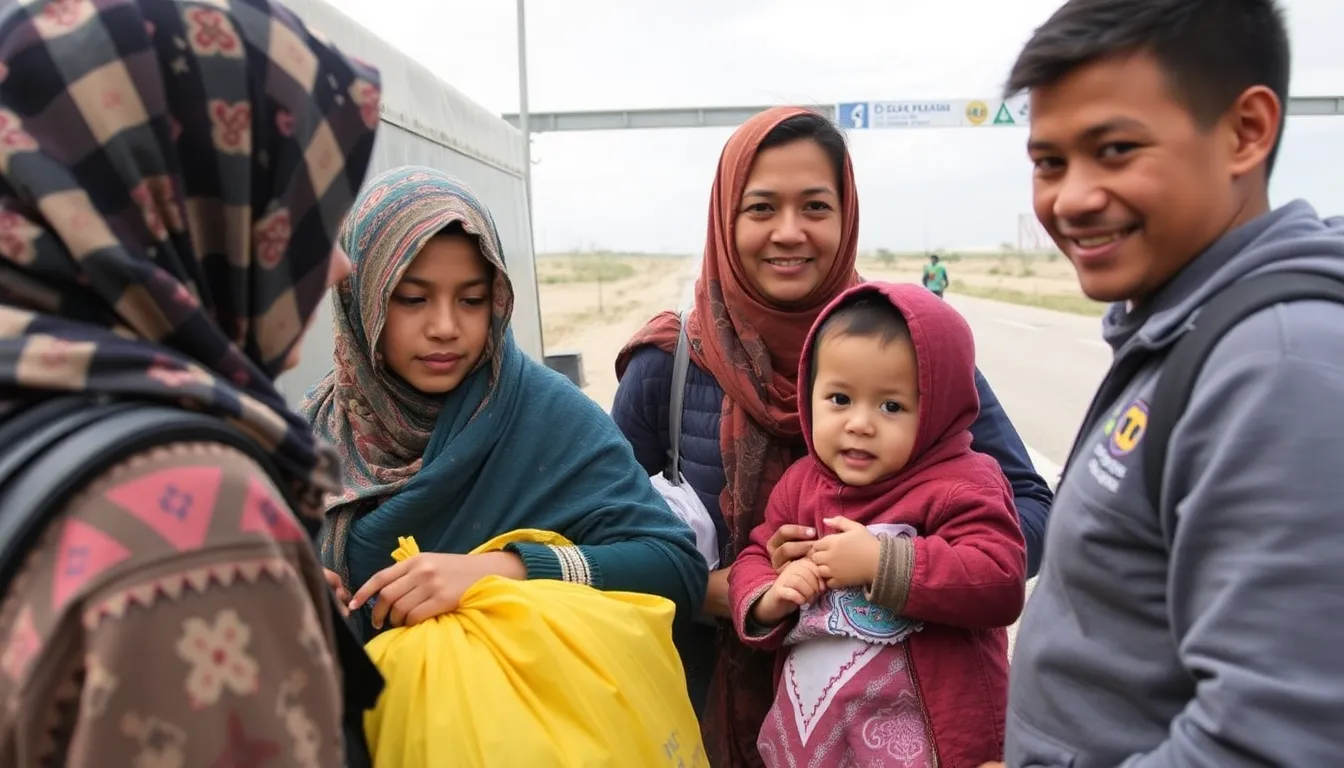
Migration and Refugee Policies: Navigating Humanity, Borders, and Belonging in a Changing World
Migration is as old as humanity itself. People have always moved—seeking safety, opportunity, or simply a better life. Today, migration continues to shape societies across the globe, connecting cultures, economies, and communities. Yet, in a world defined by national borders, the movement of people is closely tied to policies that determine who can enter, who can stay, and under what conditions.
Migration and refugee policies sit at the intersection of law, politics, and human experience. They are not just rules written on paper—they are decisions that influence real lives, often during moments of vulnerability and hope.
Understanding Migration and Refugees
Migration refers broadly to the movement of people from one place to another, whether within a country or across international borders. People migrate for many reasons: education, employment, family reunification, or improved living conditions.
Refugees, however, are a specific group within this broader category. They are individuals who are forced to leave their home country due to conflict, persecution, or serious threats to their safety. Unlike voluntary migrants, refugees do not have the option to stay—they move because they must.
This distinction matters because it shapes how policies are designed. Refugees are often entitled to specific protections under international law, while other migrants may be subject to different rules depending on the country.
The Purpose of Migration Policies
Migration policies help governments manage the flow of people entering and leaving their countries. These policies aim to balance multiple priorities, including economic needs, social stability, and national security.
For example, some countries encourage skilled migration to fill gaps in their workforce. Others focus on family reunification, allowing people to join relatives already living abroad. At the same time, governments may set limits or requirements to regulate how many people can enter.
These policies can be complex, often involving visas, permits, and legal processes that vary widely between countries. For migrants, navigating these systems can be both challenging and time-consuming.
Refugee Policies and Protection
Refugee policies are guided not only by national laws but also by international agreements. These frameworks are designed to ensure that people fleeing danger are not returned to situations where their lives could be at risk.
One key principle is protection. Countries that accept refugees provide them with safety, and often access to basic services such as shelter, healthcare, and education. Over time, refugees may be given opportunities to integrate into society, including the ability to work or pursue citizenship.
However, the reality is not always straightforward. The number of people seeking refuge can exceed the capacity of individual countries, leading to difficult decisions about how to respond.
The Human Stories Behind Migration
It’s easy to talk about migration in terms of numbers and policies, but at its core, it’s about people. Every migrant or refugee carries a story—of leaving something behind and hoping to build something new.
For some, migration is filled with excitement and opportunity. For others, especially refugees, it can be marked by uncertainty, loss, and resilience.
Families may be separated during their journeys. Individuals may face language barriers, cultural differences, or challenges finding work. Yet, many also bring skills, perspectives, and determination that enrich the communities they join.
Recognizing these human experiences adds depth to the conversation. It reminds us that migration is not just a policy issue—it’s a human one.
Challenges in Migration and Refugee Policies
One of the biggest challenges is balancing compassion with practicality. Countries must consider how to support newcomers while also addressing the needs of their existing populations.
Public opinion can also play a role. Migration is often a topic of debate, influenced by economic concerns, cultural identity, and political perspectives. These discussions can shape how policies are created and implemented.
Another challenge is coordination. Migration is a global issue, but policies are often national. This can lead to inconsistencies, where people face very different experiences depending on where they go.
In addition, crises such as conflicts or natural disasters can lead to sudden increases in migration, putting pressure on systems that may not be prepared for rapid change.
Integration and Belonging
Welcoming migrants and refugees is only the first step. Integration—helping people become part of society—is equally important.
This process involves more than legal status. It includes access to education, employment, language learning, and community support. Successful integration benefits both newcomers and the societies they join.
For migrants and refugees, feeling a sense of belonging can take time. It often involves navigating new cultural norms while maintaining connections to their own identity.
For host communities, integration can bring diversity, new ideas, and cultural richness. When managed well, it creates opportunities for mutual growth and understanding.
The Role of International Cooperation
Because migration crosses borders, cooperation between countries is essential. No single nation can address global migration challenges alone.
International organizations and agreements help coordinate responses, share responsibility, and provide support where it is needed most. These efforts can include humanitarian aid, resettlement programs, and policy coordination.
Cooperation also helps address root causes of migration, such as conflict, inequality, and environmental challenges. By working together, countries can create conditions where fewer people are forced to leave their homes.
Changing Dynamics in a Modern World
Migration patterns are constantly evolving. Technology, climate change, and global connectivity are all influencing how and why people move.
For example, climate-related factors—such as extreme weather or rising sea levels—are increasingly contributing to displacement. Economic shifts and digital opportunities are also creating new forms of migration.
These changes require policies to adapt. Governments must think not only about current challenges but also about future trends.
Why It Matters Globally
Migration and refugee policies affect more than just those who move—they shape societies as a whole. They influence economies, demographics, and cultural landscapes.
In an interconnected world, the movement of people is tied to broader global systems. Decisions made in one country can have ripple effects elsewhere.
Understanding these dynamics helps create more informed and balanced discussions about migration.
Final Thoughts
Migration and refugee policies are about more than borders—they are about choices, responsibilities, and values. They reflect how societies respond to movement, change, and human need.
There are no simple solutions. The balance between security, opportunity, and compassion is complex and constantly evolving.
But at the center of it all are people—individuals and families seeking safety, stability, and a chance to build a future. Keeping that human perspective in focus can lead to more thoughtful, effective, and humane approaches.
In the end, migration is not just a challenge to manage—it is also an opportunity to connect, grow, and better understand one another in a shared world.