Physical AI and Edge Inference: The Next Frontier in Autonomous Systems
Physical AI, powered by sophisticated edge inference, is transforming autonomous systems, enabling real-time decision-making and enhanced operational efficiency across diverse industries.
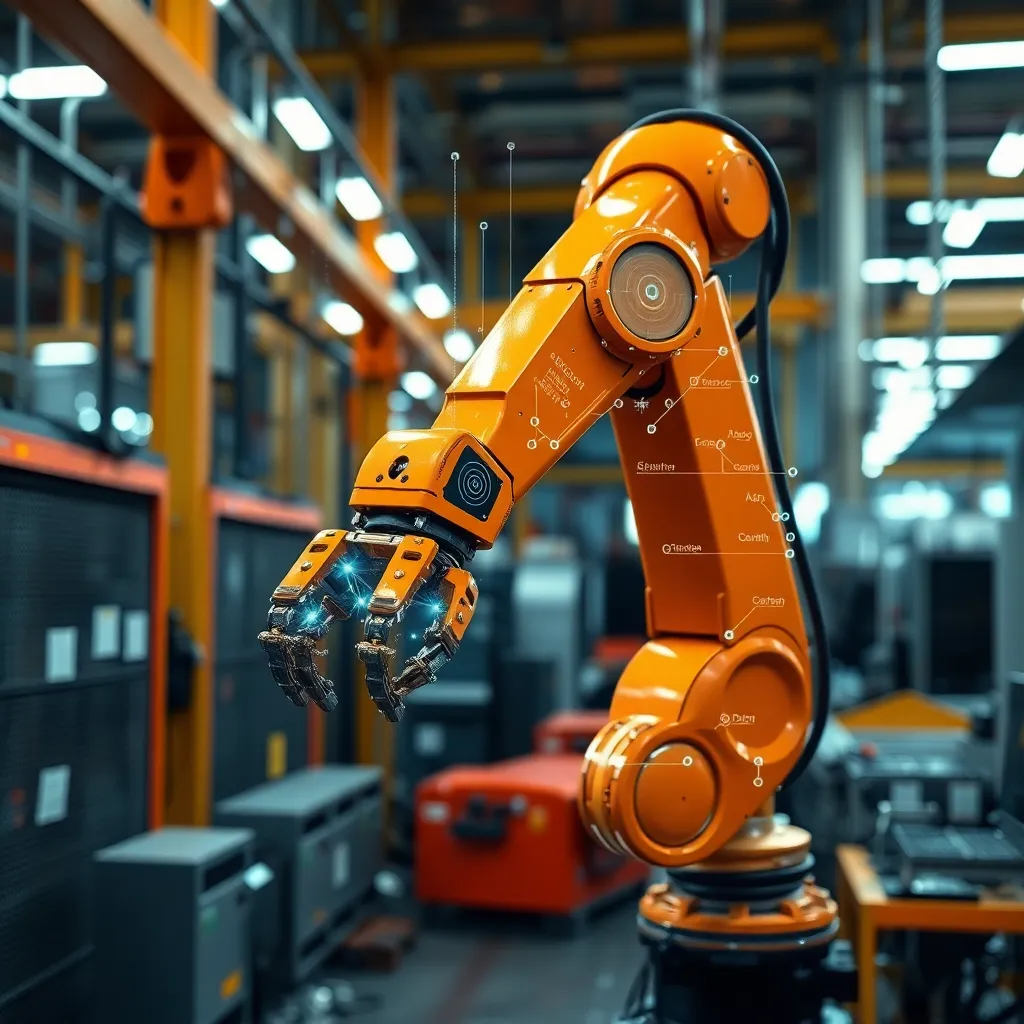
The confluence of physical AI and edge inference marks a pivotal moment in the evolution of autonomous systems, promising a future where intelligent machines interact with the real world with unprecedented agility and autonomy. This paradigm shift moves AI processing from centralized cloud servers to the very devices and environments where data is generated and acted upon, fostering a new era of responsiveness, resilience, and data privacy in applications ranging from robotics and smart manufacturing to autonomous vehicles and precision agriculture.
Key Takeaways
Decentralized Intelligence: Edge inference enables AI models to run directly on physical devices, reducing latency and reliance on cloud connectivity.
Enhanced Autonomy: Real-time processing at the edge empowers autonomous systems to make immediate, critical decisions without human intervention.
Improved Security and Privacy: Local data processing minimizes data transmission, enhancing security and protecting sensitive information.
Operational Efficiency: Edge AI optimizes resource utilization and reduces bandwidth requirements, leading to more efficient and sustainable operations.
New Application Domains: The capabilities of physical AI and edge inference are unlocking innovative applications across a wide spectrum of industries, from healthcare to logistics.
The Dawn of Physical AI: Bridging the Digital and Tangible
Physical AI refers to intelligent systems that can perceive, reason, and act within the physical world, often involving robotics, sensors, and actuators. Unlike purely software-based AI, physical AI systems are embodied, meaning they have a physical form that allows them to interact with their environment. This interaction can range from the intricate manipulation of objects by robotic arms in a factory to the navigation of autonomous drones inspecting infrastructure. The effectiveness and responsiveness of these systems are critically dependent on their ability to process information and make decisions in real-time, a challenge directly addressed by edge inference.
Edge Inference: Bringing AI to the Source
Edge inference involves deploying machine learning models directly onto