Remote & Hybrid Work Models: Redefining How We Work and Live
Remote and hybrid work models are reshaping the modern workplace, offering flexibility, freedom, and new challenges. As organizations adapt, employees are discovering new ways to stay productive, connected, and balanced in a world where work is no longer tied to a single location.
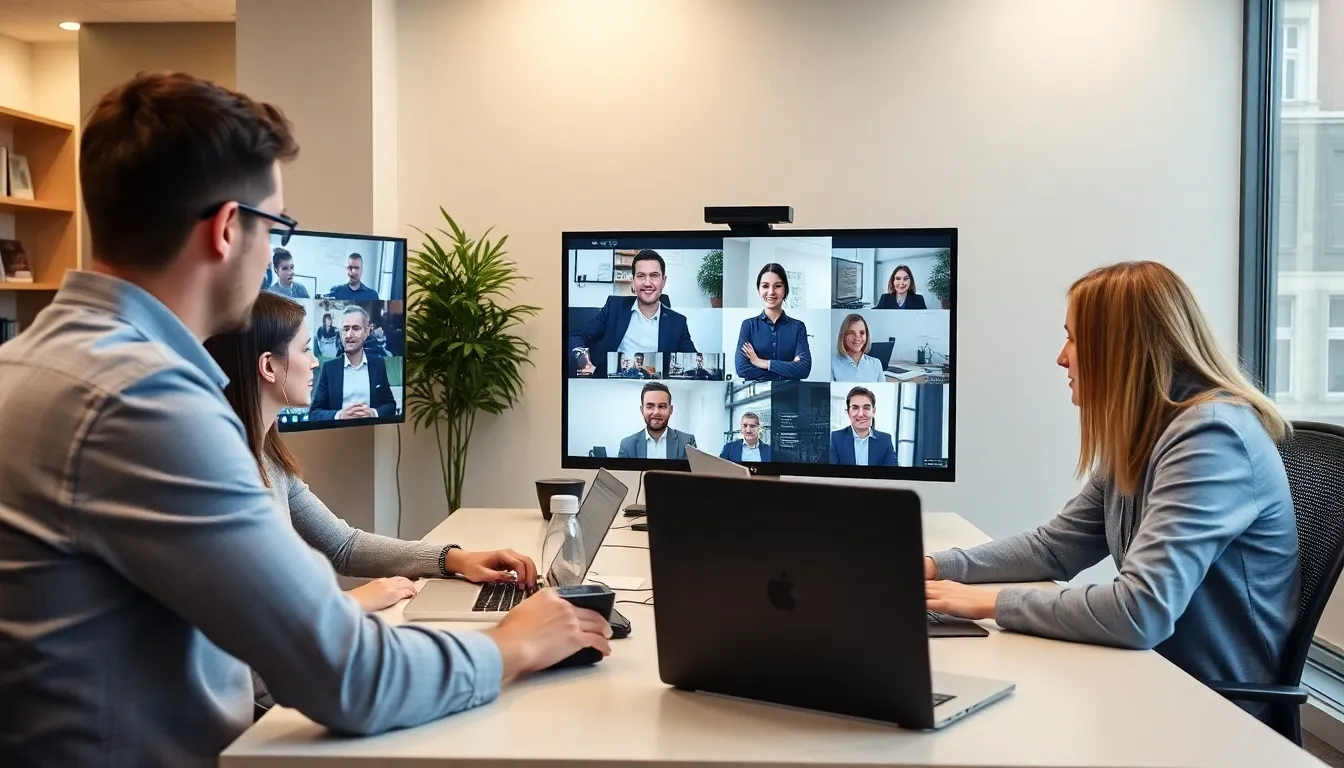
Remote & Hybrid Work Models
Not too long ago, work was a place you went to. You commuted, sat at your desk, attended meetings in conference rooms, and left at the end of the day. Today, that definition has changed dramatically. Work is no longer just a place—it’s an activity that can happen almost anywhere.
Remote and hybrid work models have transformed how people think about their jobs, their schedules, and even their lives. What started as a necessity during global disruptions quickly became a preferred way of working for many. And now, it’s clear that this shift isn’t temporary—it’s a fundamental change in the future of work.
Remote work allows employees to perform their jobs entirely from outside a traditional office, often from home or any location with an internet connection. Hybrid work, on the other hand, blends remote and in-office work, giving people the flexibility to split their time between both environments.
At first glance, the appeal is obvious. No commute. More control over your day. The ability to design a workspace that suits you. But the real impact of these models goes much deeper.
One of the biggest benefits people talk about is flexibility. Being able to choose when and where you work can make a huge difference in daily life. Parents can better manage family responsibilities. Individuals can structure their day around when they feel most productive. Even small things—like having lunch at home or taking a walk between meetings—can improve overall well-being.
For many, this flexibility leads to increased job satisfaction. When people feel trusted to manage their own time, they often become more engaged and motivated. It’s less about “clocking in” and more about getting meaningful work done.
From a business perspective, remote and hybrid models open up new possibilities. Companies are no longer limited to hiring talent within a specific geographic area. They can build diverse teams from around the world, bringing in different perspectives and skills.
This shift also has cost implications. Organizations can reduce expenses related to office space, utilities, and travel. Some companies are even redesigning their offices to serve as collaboration hubs rather than full-time workplaces.
However, while the benefits are compelling, remote and hybrid work also come with challenges that can’t be ignored.
One of the most common issues is communication. When teams are not physically together, spontaneous conversations and quick clarifications become less frequent. Everything needs to be more intentional—whether it’s scheduling meetings, documenting processes, or sharing updates.
This is where digital tools play a crucial role. Platforms for video conferencing, messaging, and project management have become the backbone of remote work. But tools alone aren’t enough. Teams need clear communication practices to stay aligned and avoid misunderstandings.
Another challenge is maintaining a sense of connection and belonging. In a traditional office, relationships often develop naturally through everyday interactions. Remote work can feel isolating if those moments are missing.
Companies are finding creative ways to address this—virtual team-building activities, regular check-ins, and occasional in-person gatherings. Still, building a strong culture in a distributed environment requires effort and consistency.
Work-life balance is another area where things can get complicated. While remote work offers flexibility, it can also blur the boundaries between work and personal life. Without a clear separation, some people find themselves working longer hours or struggling to switch off.
Setting boundaries becomes essential. Simple habits—like having a dedicated workspace, defining working hours, and taking regular breaks—can make a big difference.
Hybrid work introduces its own set of complexities. For example, ensuring fairness between remote and in-office employees can be tricky. If not managed carefully, those who spend more time in the office might have more visibility, which could influence opportunities and career growth.
To make hybrid work successful, organizations need to design it thoughtfully. This includes creating inclusive meeting practices, ensuring equal access to information, and focusing on outcomes rather than physical presence.
Leadership also plays a critical role in this new work environment. Managing remote or hybrid teams requires a shift in mindset. Instead of focusing on hours worked, leaders need to prioritize results, trust, and clear communication.
Empathy becomes more important than ever. Understanding that employees have different home environments, challenges, and needs helps create a more supportive workplace.
Technology will continue to shape how remote and hybrid work evolve. Advances in collaboration tools, virtual reality, and artificial intelligence could make remote interactions feel more natural and immersive. Imagine attending a meeting in a virtual space that feels almost like being there in person.
At the same time, organizations are rethinking what the office means. Rather than rows of desks, offices are becoming spaces designed for collaboration, creativity, and connection—places people go to work together, not just to work.
Looking ahead, it’s unlikely that we’ll return to a fully office-based world. Instead, we’re moving toward a more flexible, hybrid future where people have choices about how they work.
This shift isn’t just about convenience—it’s about creating a better balance between work and life, improving productivity, and building more inclusive workplaces.
In the end, remote and hybrid work models are not just changing where we work—they’re changing how we work, how we connect, and how we define success. The organizations that embrace this change thoughtfully will be better positioned to attract talent, foster innovation, and thrive in the years to come.