Remote Work and Digital Collaboration: Redefining How People Work, Connect, and Thrive
Remote work and digital collaboration have transformed the modern workplace, changing how teams communicate, share ideas, and stay productive across distances. As technology continues to evolve, flexible work is becoming more than a trend—it’s reshaping the future of work itself.
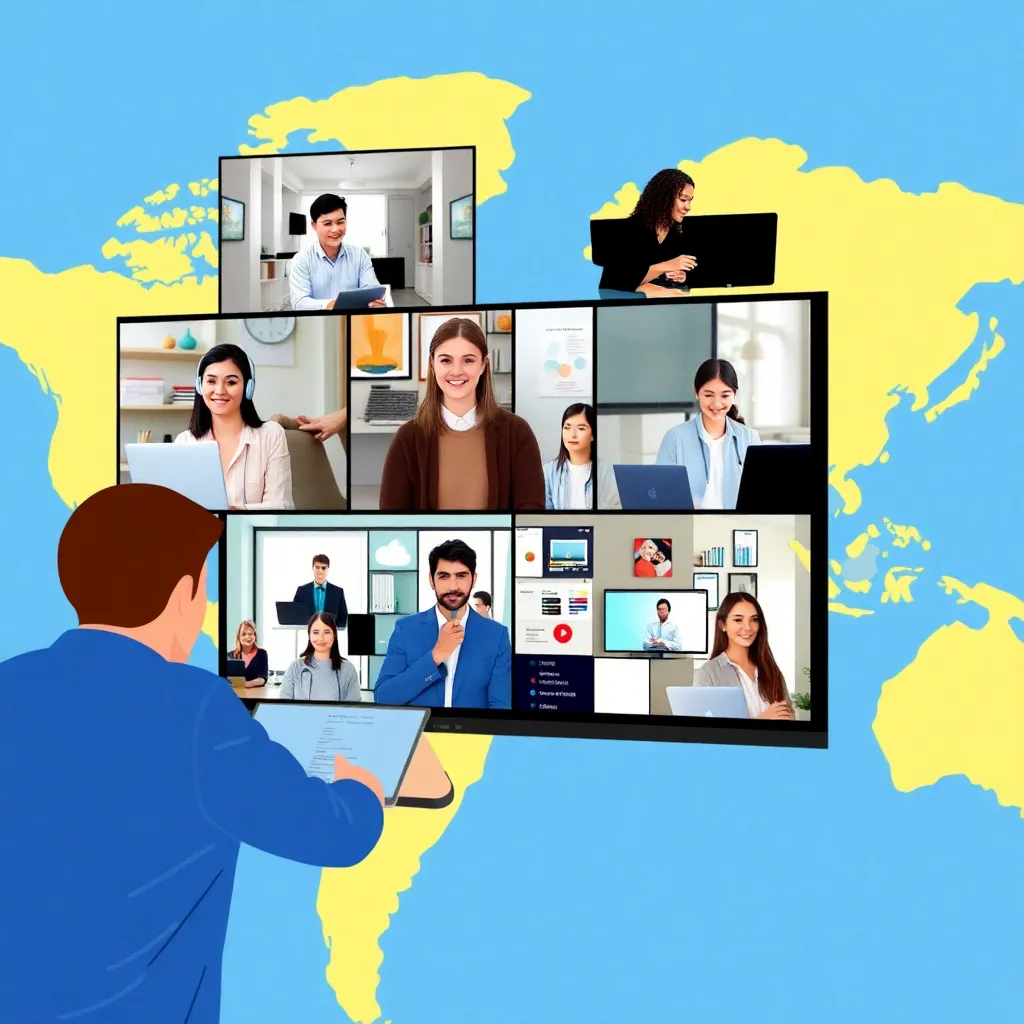
Remote Work and Digital Collaboration: Redefining How People Work, Connect, and Thrive
The way people work has changed dramatically in recent years. Offices are no longer the only place where work happens. Today, meetings take place through video calls, projects are managed through digital platforms, and teams collaborate across cities, countries, and time zones.
Remote work and digital collaboration have become defining features of the modern workplace. What once seemed like a temporary adjustment has evolved into a long-term shift that is reshaping professional life around the world.
At the center of this transformation is a simple idea: work is no longer tied to one physical location. Instead, technology allows people to stay connected, productive, and collaborative from almost anywhere.
Understanding Remote Work
Remote work refers to a work arrangement where employees perform their jobs outside of a traditional office environment. This can include working from home, coworking spaces, cafés, or even while traveling.
For many organizations, remote work became more common as digital tools improved and businesses realized that productivity could continue beyond office walls. Employees gained flexibility, while companies discovered new ways to operate efficiently.
Remote work is not limited to one industry. From technology and marketing to education and customer support, many professions now support fully remote or hybrid work models.
The appeal is clear: flexibility, convenience, and greater control over work-life balance.
The Rise of Digital Collaboration
Remote work would not be possible without digital collaboration tools. These technologies allow teams to communicate, share files, manage projects, and work together in real time.
Video conferencing platforms make face-to-face conversations possible even across long distances. Messaging applications allow quick communication, while cloud-based software enables multiple people to work on the same document simultaneously.
Digital collaboration goes beyond simply exchanging information. It creates a shared workspace where ideas can be developed collectively, regardless of location.
This shift has changed how teams interact. Collaboration is no longer dependent on physical proximity—it depends on connectivity and communication.
Benefits of Remote Work
One of the biggest advantages of remote work is flexibility. Employees can often structure their schedules more effectively, reducing commuting time and creating a better balance between professional and personal life.
For many people, this flexibility improves overall well-being. Having more control over the workday can reduce stress and increase job satisfaction.
Businesses also benefit. Companies can hire talent from different regions rather than being limited to one geographic area. This expands access to skilled professionals and encourages more diverse teams.
In some cases, remote work can also reduce operational costs related to office space, utilities, and commuting support.
Another important benefit is productivity. Many employees report being more focused when working in comfortable environments with fewer workplace distractions.
Challenges of Working Remotely
Despite its advantages, remote work also comes with challenges. One of the most common is isolation. Without regular in-person interaction, some employees may feel disconnected from coworkers and workplace culture.
Communication can also become more complicated. In virtual settings, tone and intent may be misunderstood more easily, especially through text-based communication.
Another challenge is maintaining boundaries between work and personal life. When work happens at home, it can become difficult to “switch off,” leading to burnout or overwork.
Technical issues can create additional frustration. Internet problems, software limitations, or digital fatigue can impact productivity and collaboration.
These challenges highlight the importance of intentional communication and healthy work habits in remote environments.
The Importance of Communication in Digital Teams
Strong communication is the foundation of successful remote work. In physical offices, people naturally exchange information through casual conversations and spontaneous interactions. In remote environments, communication often requires more deliberate effort.
Clear expectations, regular check-ins, and transparent messaging help teams stay aligned. Video calls can strengthen relationships by adding visual connection and emotional context to conversations.
Listening also becomes more important in virtual settings. Since nonverbal cues may be less visible, active listening and thoughtful responses help reduce misunderstandings.
Digital collaboration works best when communication is not only efficient but also human-centered.
Building Team Culture Remotely
Company culture does not disappear in remote work—it simply evolves. Organizations now need to create culture intentionally through digital interactions, shared values, and supportive leadership.
Virtual team-building activities, informal chats, and online social spaces can help maintain a sense of connection. Even small gestures, like recognizing achievements publicly or checking in on employee well-being, can strengthen morale.
Trust plays a major role as well. Remote work often requires managers to focus more on outcomes rather than constant supervision. Employees who feel trusted are often more motivated and engaged.
Creating a healthy remote culture means balancing productivity with empathy and connection.
Hybrid Work: A Middle Ground
Many organizations are adopting hybrid work models, which combine remote and in-office work. This approach offers flexibility while still allowing for in-person collaboration when needed.
Hybrid work can provide the best of both worlds. Employees gain flexibility, while teams still have opportunities for face-to-face interaction and brainstorming.
However, hybrid systems also require careful coordination. Companies must ensure that remote employees remain included and that communication stays consistent across locations.
As workplaces continue to evolve, hybrid work is becoming an increasingly common solution.
Technology and the Future of Collaboration
Technology will continue to shape how people work together. Artificial intelligence, virtual reality, and advanced automation tools are already influencing digital collaboration.
AI-powered systems can automate scheduling, summarize meetings, and organize workflows. Virtual reality may eventually create immersive workspaces where remote teams interact more naturally.
At the same time, cybersecurity and digital privacy are becoming more important as businesses rely heavily on online systems.
The future of collaboration will likely focus on making remote communication more seamless, interactive, and human-centered.
The Human Side of Flexible Work
Beyond productivity and technology, remote work has changed how people think about work itself. Many employees now value flexibility, autonomy, and mental well-being more than ever before.
People are increasingly asking important questions: How can work fit better into life? What creates meaningful productivity? How can professional success coexist with personal fulfillment?
Remote work has encouraged organizations to rethink traditional workplace expectations and place greater emphasis on trust, adaptability, and employee experience.
This shift reflects a broader cultural change toward more flexible and balanced ways of working.
Adapting to a New Work Era
The transition to remote and hybrid work is still evolving. Businesses, employees, and leaders are continuing to learn what works best.
Success often depends on adaptability. Teams that embrace communication, collaboration, and continuous learning are better equipped to navigate changing work environments.
Employees also benefit from developing digital skills, time management strategies, and self-discipline to thrive in flexible settings.
The future of work will likely remain dynamic, blending technology with human connection in new and creative ways.
Final Thoughts
Remote work and digital collaboration are transforming the professional world in profound ways. They are changing not only where people work, but also how they communicate, collaborate, and define productivity.
While challenges exist, the shift has opened opportunities for greater flexibility, broader collaboration, and more inclusive workplaces.
At its best, remote work is not about replacing human interaction with screens. It’s about using technology to support meaningful collaboration while giving people more freedom in how they live and work.
As organizations continue adapting to this new era, the future of work will likely depend on finding the right balance between digital efficiency and genuine human connection.