Beyond the Pill: Unlocking Your Best Sleep, Naturally
Tired of tossing and turning? You're not alone. We're diving deep into natural, science-backed strategies to help you reclaim your nights and wake up truly refreshed, without relying on medication.
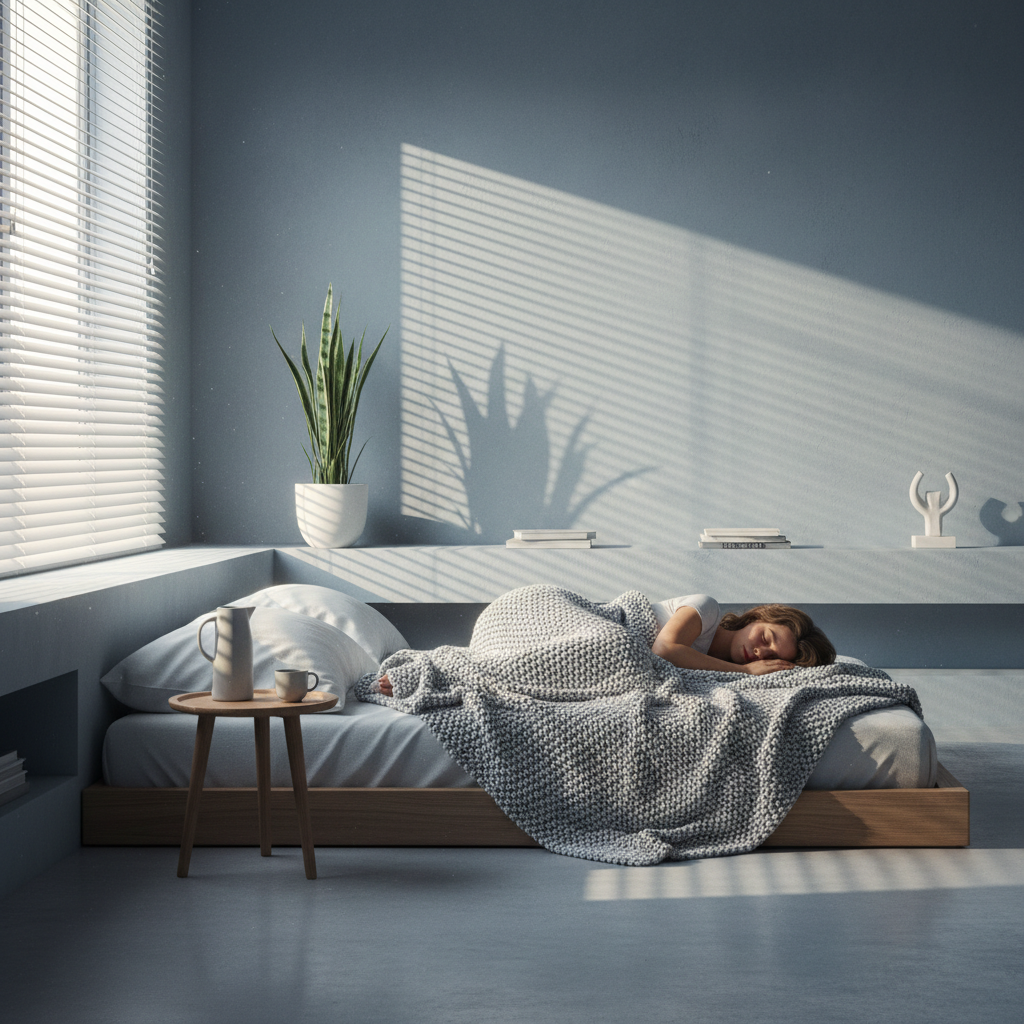
You know that feeling. It's 2 AM, the clock's glowing numbers are mocking you, and your mind is racing through tomorrow's to-do list, yesterday's regrets, and probably that embarrassing thing you said in third grade. Sleep, that elusive, essential thing, feels like a cruel joke. For millions, a good night's rest isn't a given; it's a desperate yearning. We're often quick to reach for a pill, aren't we? But what if the answer to better sleep isn't in a bottle, but in our daily habits, our environment, and a deeper understanding of our own biology? It's not that simple, though. There’s no magic bullet, but there are powerful, natural strategies that can genuinely transform your nights.
Key Takeaways:
- Consistency is king: Going to bed and waking up at the same time, even on weekends, profoundly impacts sleep quality.
- Light matters: Exposure to natural light during the day and minimizing artificial light at night helps regulate your internal clock.
- Wind-down routines work: Dedicate the hour before bed to relaxing activities, signaling to your body it's time to rest.
- Environment is crucial: A cool, dark, quiet bedroom is non-negotiable for optimal, uninterrupted sleep.
- What you consume affects you: Be mindful of caffeine, alcohol, and heavy meals, especially late in the day.
Let's be frank: the modern world is a sleep thief. Our screens glow late into the night, our workdays bleed into our evenings, and the sheer volume of information vying for our attention makes it hard to switch off. Dr. Sarah Miller, a sleep specialist at the Pacific Sleep Institute, tells me, “We’ve essentially declared war on our circadian rhythm. Our bodies evolved under specific light-dark cycles, and we’re constantly disrupting that.” She emphasizes that reversing this trend starts with respecting our body’s innate biological clock.
So, where do you begin? Forget the quick fixes for a moment. This is about building a foundation.
Your Circadian Rhythm: The Master Clock
Think of your body as having an internal clock, a 24-hour cycle that dictates when you feel alert and when you feel drowsy. That's your circadian rhythm, and its primary regulator is light. "Exposure to bright light first thing in the morning signals to your brain that the day has begun, kickstarting wakefulness hormones," explains Dr. Miller. Aim for 15-30 minutes of natural light exposure within an hour of waking up. Open those curtains, step outside for your coffee, take a quick walk. It sounds simple, but it's incredibly powerful.
Conversely, evening light, especially the blue light emitted from phones, tablets, and computers, tells your brain it's still daytime. This suppresses melatonin, the hormone that makes you feel sleepy. "I tell my patients to treat their bedroom like a cave," says Dr. Miller. "Dark, quiet, and cool." Try using blue light filters on your devices or, even better, put them away an hour or two before bed. It's a tough habit to break, I know. We're all guilty of scrolling one last time. But the difference it makes is profound.
The Power of a Consistent Schedule
This is probably the single most impactful change you can make. Going to bed and waking up at roughly the same time every day, even on weekends, reinforces your circadian rhythm. Your body loves routine. It thrives on predictability. "Even an hour or two deviation on a Saturday night can throw your rhythm off for days, leading to what we call 'social jet lag,'" notes Dr. Alex Chen, a public health researcher focusing on wellness. He points out that this consistency is often harder for younger adults but crucial for everyone. If you’re a night owl trying to become an early bird, make changes gradually – shifting your bedtime by 15 minutes every few days until you hit your target.
Crafting Your Pre-Sleep Ritual
You wouldn't expect your car to go from 60 mph to zero instantly, right? Your brain is the same. It needs a wind-down period. This isn't just about turning off your phone; it's about actively preparing for rest. What does this look like? Maybe it’s reading a physical book, taking a warm bath, listening to calming music, or practicing gentle stretching or meditation. The key is to avoid stimulating activities – no intense workouts, no stressful work emails, no argument-provoking social media discussions. Aim for an hour, but even 30 minutes can make a difference. This ritual becomes a powerful signal to your body: "Hey, it's almost time to shut down for the night."
Your Sleep Sanctuary: The Bedroom Environment
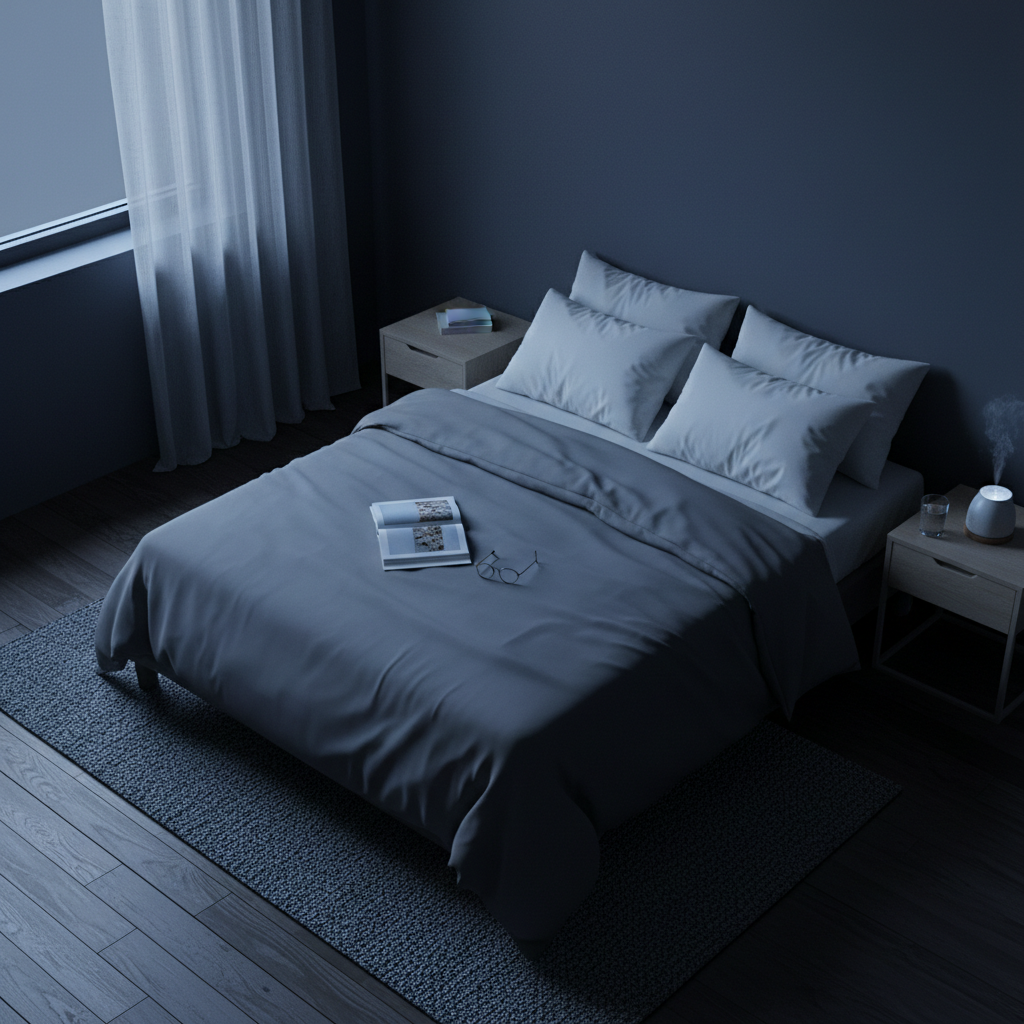
Your bedroom should be a haven for sleep, not an extension of your office or entertainment center. We’re talking about optimizing for three things: darkness, quiet, and temperature.
- Darkness: Block out all light. Use blackout curtains, an eye mask – whatever it takes. Even a tiny LED light can disrupt sleep for some people. "Every photon that hits your retina can send a wake-up signal," says Dr. Miller.
- Quiet: Minimize noise. Earplugs, a white noise machine, or even a fan can help mask disruptive sounds. If you live in a noisy area, this becomes even more critical.
- Temperature: Most experts agree that the ideal sleep temperature is between 60-67 degrees Fahrenheit (15-19 degrees Celsius). A cooler room facilitates better sleep by helping your body's core temperature drop, a natural part of the sleep process.
Diet, Exercise, and Sleep
What you put into your body, and how you move it, profoundly impacts your sleep. Let's start with what to avoid or limit, especially in the afternoon and evening:
- Caffeine: It has a half-life of 5-6 hours, meaning half of it is still in your system hours after you drink it. A 3 PM coffee could easily be disrupting your 10 PM bedtime. Try cutting off caffeine intake by midday.
- Alcohol: While it might make you feel drowsy initially, alcohol fragments sleep later in the night, preventing you from getting restorative REM sleep. "That nightcap is actually sabotaging your deep sleep," Dr. Chen warns.
- Heavy Meals: Eating a large, fatty, or spicy meal close to bedtime can lead to indigestion and discomfort, making it hard to fall asleep and stay asleep. Give your body at least 2-3 hours to digest before lying down.
Regular physical activity, on the other hand, is a fantastic sleep aid. Exercise helps reduce stress, improves mood, and can make you feel more tired at night. But timing matters. "Vigorous exercise too close to bedtime can be too stimulating," advises Dr. Miller. Aim to finish intense workouts at least 3-4 hours before you plan to sleep. Morning or early afternoon workouts are ideal.
Addressing Underlying Issues
Sometimes, even with the best habits, sleep remains elusive. Conditions like sleep apnea, restless leg syndrome, chronic pain, anxiety, and depression can severely impact sleep quality. If you've tried these natural strategies consistently for several weeks and still struggle, it's crucial to consult a doctor. They can help diagnose any underlying medical conditions or mental health challenges that might be sabotaging your sleep. Don't suffer in silence. Help is available.
Remember, natural sleep improvement isn't about perfection; it's about progress. Start with one or two changes that feel manageable, stick with them, and then gradually layer on more. Your body will thank you for it, and you'll soon discover the profound difference a truly restful night can make in your waking life. For more on how daily habits impact overall health, check out this article on holistic wellness strategies. And if you're curious about the intersection of technology and well-being, we've covered that too.
Frequently Asked Questions:
Is napping okay if I'm struggling with night sleep? Short, strategic naps (20-30 minutes) in the early afternoon can be beneficial for a quick energy boost. However, long or late-day naps can interfere with your nighttime sleep schedule and make it harder to fall asleep when you want to.
How long does it take for these natural methods to work? Consistency is key, and individual results vary. You might notice small improvements within a few days, but significant and lasting changes often take 2-4 weeks of dedicated practice. Don't get discouraged if you don't see immediate results.
Should I worry about my sleep tracking app results? Sleep tracking apps can offer insights into patterns, but they aren't always perfectly accurate. Use them as a general guide rather than stressing over every metric. Focus more on how you feel during the day than on what a device tells you about your night.
What if I wake up in the middle of the night? If you wake up and can't fall back asleep within 15-20 minutes, don't just lie there stressing. Get out of bed, go to another room, and do something quiet and non-stimulating in dim light, like reading a book. Only return to bed when you feel sleepy again. This prevents your brain from associating your bed with wakefulness.