Space Internet Revolution: How Starlink and Satellite Networks Are Changing Global Connectivity Forever
Space internet is transforming how the world connects. With satellite networks like Starlink, even remote villages, oceans, and deserts can access high-speed internet. This revolution is closing the digital gap and reshaping communication on a global scale.
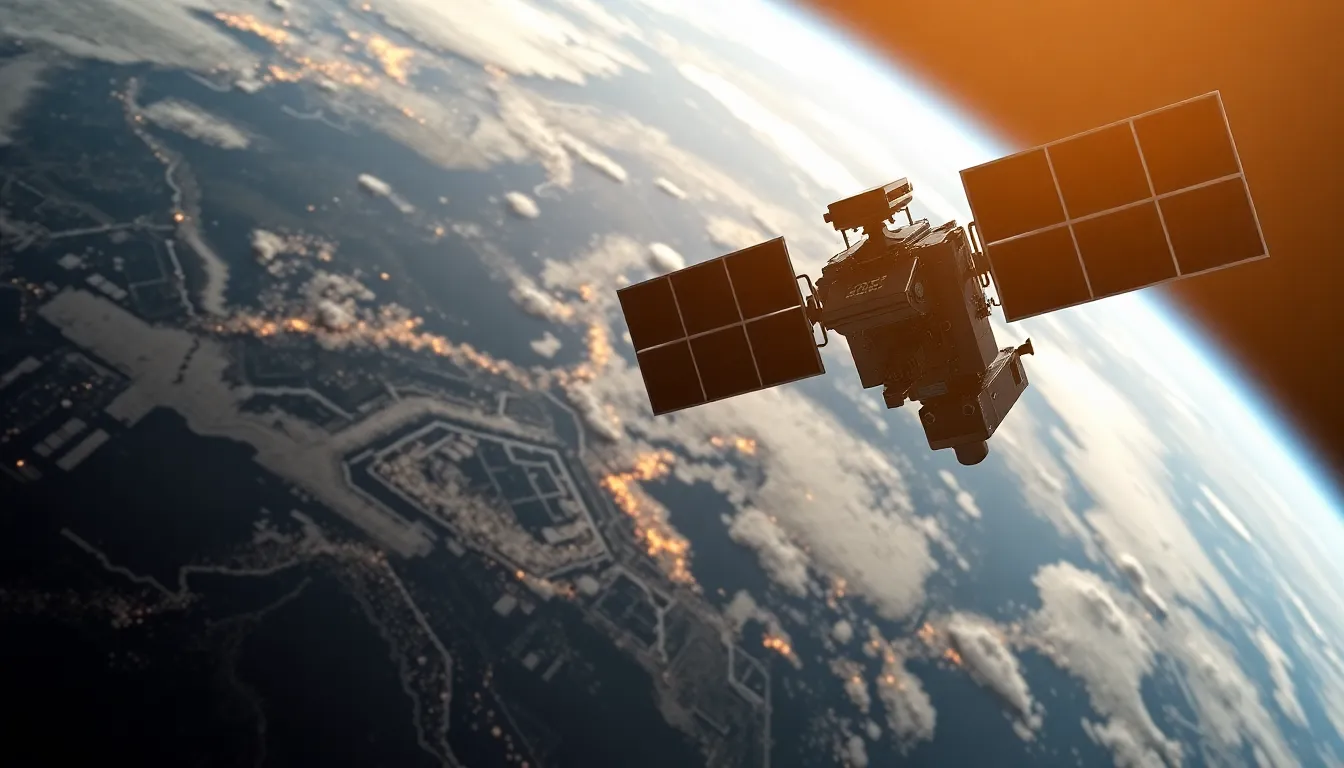
The Internet That Comes From Space
For most people, the internet feels like something that comes from cables buried under streets or towers standing on rooftops. But a new revolution is changing that idea completely.
Instead of relying only on ground infrastructure, space internet uses satellites orbiting the Earth to deliver high-speed internet anywhere on the planet. This means that even the most remote places—mountain villages, deserts, islands, and ships at sea—can stay connected.
One of the biggest names leading this transformation is Starlink, a satellite internet project created by SpaceX. Its goal is simple but ambitious: provide fast, reliable internet access to every corner of the world.
How Space Internet Actually Works
Space internet works through a network of thousands of small satellites placed in low Earth orbit (LEO). Unlike traditional satellites that sit far away in space, these orbit much closer to Earth, which reduces delay and improves speed.
Here’s a simplified breakdown:
Satellites orbit the Earth and form a connected network A user connects through a small dish or receiver on the ground The signal travels from the dish to the satellite in space Data is then relayed between satellites and ground stations connected to the global internet
Because the satellites are closer, the connection is faster and more responsive compared to older satellite systems.
Starlink and the New Internet Era
Starlink has become the most well-known example of space-based internet. Developed by SpaceX, it has launched thousands of satellites into orbit, with plans for many more.
What makes Starlink special is its scale and ambition. Instead of serving only cities or developed regions, it aims to reach people in rural and underserved areas where traditional internet infrastructure is weak or nonexistent.
For many communities, this is life-changing. Students in remote villages can access online education. Doctors in isolated regions can connect with specialists. Businesses can operate globally even from areas without fiber-optic cables.
Why Space Internet Matters So Much
The world is still deeply unequal when it comes to internet access. While cities enjoy fast broadband, millions of people still struggle with slow or unreliable connections—or none at all.
Space internet helps solve this problem by removing the need for physical infrastructure like cables and cell towers. Instead of building expensive networks across difficult terrain, satellites can simply beam coverage from space.
This is especially important for:
Remote rural communities Disaster-stricken areas Ocean and aviation communication Developing regions with limited infrastructure
It creates a more level playing field where geography no longer limits access to information.
Everyday Life Is Already Changing
Although space internet sounds futuristic, it is already being used in real life.
Farmers in remote regions are using satellite internet to monitor weather patterns and manage crops more efficiently. Travelers on boats and airplanes can stay connected during long journeys. Emergency response teams use it when natural disasters destroy ground networks.
Even digital nomads and remote workers are benefiting, as they can work from almost anywhere without worrying about internet availability.
This shift is slowly turning the internet into something truly global and mobile.
The Challenges Behind the Revolution
Despite its promise, space internet is not without challenges.
One major concern is space congestion. With thousands of satellites being launched, low Earth orbit is becoming increasingly crowded. This raises questions about collisions and long-term sustainability in space.
Another issue is cost. While prices are dropping, satellite internet can still be expensive compared to traditional broadband in many regions.
There are also technical challenges like weather interference, signal delays, and maintaining consistent global coverage.
Finally, scientists and regulators are discussing the impact of large satellite networks on astronomy, as bright satellites can sometimes interfere with telescope observations.
Competition and the Future of Connectivity
Starlink is not alone in this race. Other companies and countries are also developing satellite internet systems, creating a new global competition in space technology.
This competition is driving innovation faster than ever before. As more players enter the market, prices are expected to fall and performance is likely to improve.
In the future, we may see hybrid systems where space internet and ground-based fiber networks work together seamlessly to provide ultra-fast global coverage.
What the Future Could Look Like
The long-term vision of space internet goes beyond just browsing websites or streaming videos.
Imagine:
Real-time global communication without delays Smart cities connected through satellite networks Internet access everywhere, even in the middle of the ocean or desert Emergency systems that never go offline, even during disasters
Some experts believe that space internet could become the backbone of global communication, especially as demand for data continues to grow.
It may also play a key role in future technologies like autonomous vehicles, remote surgery, and global IoT (Internet of Things) systems.
A Connected Planet Like Never Before
Space internet is more than just a technological upgrade—it represents a shift in how humanity connects.
For the first time in history, location may no longer determine access to information. Whether someone lives in a major city or a remote village, the internet could eventually reach them the same way: from space.
While challenges remain, the progress so far is undeniable. What once seemed like science fiction is now becoming a working reality orbiting above our heads.
The world is entering a new era—one where the sky is no longer the limit, but the starting point of global connectivity.