Technology: Shaping the Modern World and Redefining How We Live, Work, and Connect
Technology is transforming every part of human life, from communication and healthcare to education and business. As innovation accelerates, it continues to reshape how we solve problems, connect with others, and imagine the future of society.
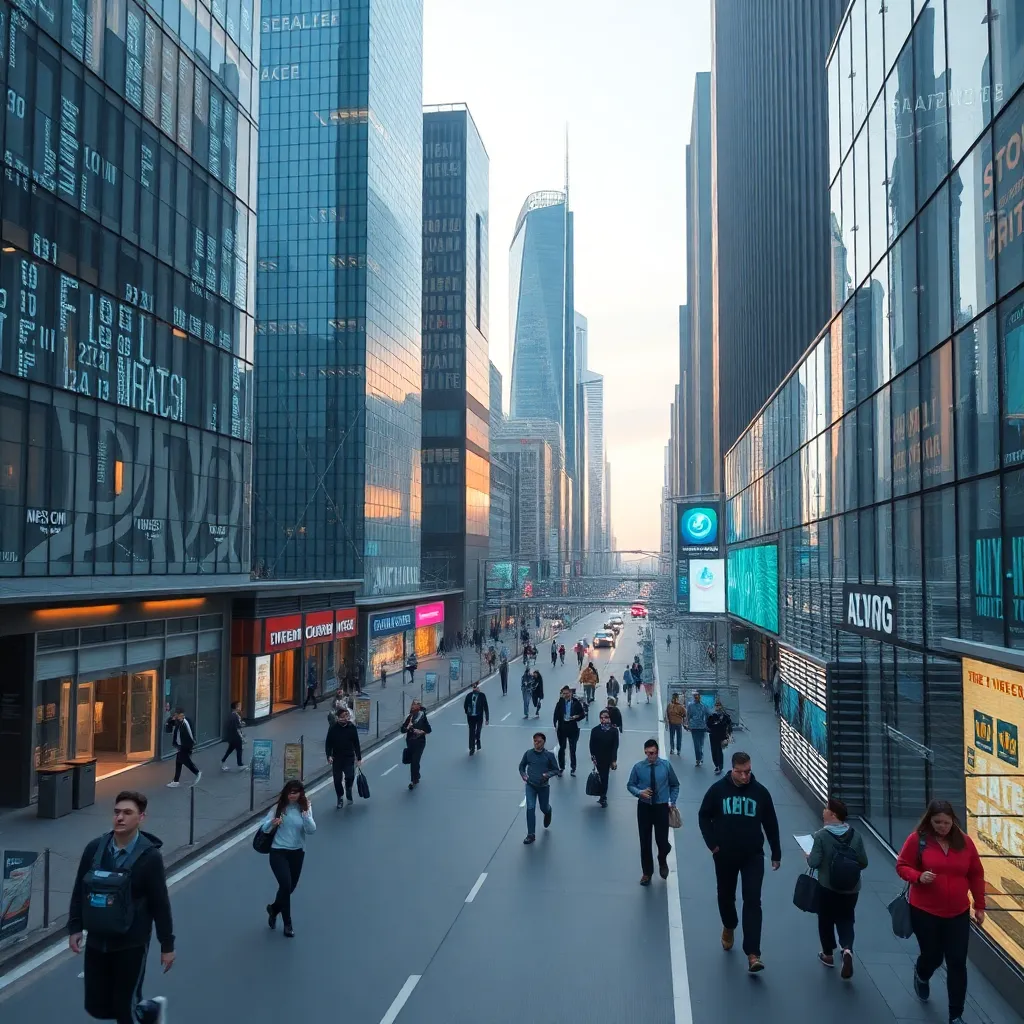
Technology: Shaping the Modern World and Redefining How We Live, Work, and Connect Technology is one of the most powerful forces shaping human civilization. It influences how we communicate, how we learn, how we work, and even how we understand the world around us. From the invention of the wheel to the rise of artificial intelligence, every major technological breakthrough has changed the course of history in some way. In the modern world, technology is no longer just a tool—it is deeply woven into everyday life. It powers our phones, supports global communication, drives businesses, and helps solve complex problems across industries. As innovation continues to accelerate, technology is not only changing what we do, but also how we think, interact, and live. The Meaning of Technology Today Technology can be defined as the application of scientific knowledge to solve problems and improve human life. While this definition remains true, modern technology has expanded far beyond physical tools and machines. Today, technology includes digital systems, software, artificial intelligence, cloud computing, robotics, and data networks. It is not limited to physical devices but also includes invisible systems that power communication, finance, transportation, and healthcare. In simple terms, technology is everything that helps make life easier, faster, more efficient, or more connected. The Digital Revolution One of the most significant shifts in modern history is the digital revolution. This transformation has moved society from analog systems to digital platforms, changing how information is created, stored, and shared. The internet plays a central role in this revolution. It has connected billions of people worldwide, making communication instant and global. Social media platforms, messaging apps, and video conferencing tools have redefined how people interact. The digital revolution has also changed industries such as banking, education, entertainment, and retail. Services that once required physical presence can now be accessed online in seconds. Artificial Intelligence and Smart Systems Artificial intelligence is one of the most important developments in modern technology. It allows machines to learn from data, recognize patterns, and make decisions with minimal human input. AI is already being used in many areas, including healthcare diagnostics, recommendation systems, customer service, and autonomous vehicles. Smart systems powered by AI can analyze large amounts of data quickly and accurately, helping humans make better decisions. While AI brings many benefits, it also raises questions about ethics, responsibility, and the future of work. These discussions are shaping how AI is developed and used responsibly. Technology in Everyday Life Technology is now part of almost every aspect of daily life. Smartphones allow people to communicate instantly, access information, and manage tasks on the go. Smart home devices control lighting, security, and appliances with simple voice commands. Navigation apps help people travel more efficiently, while online platforms provide entertainment, shopping, and education. Even simple daily activities—like paying bills, booking appointments, or ordering food—are now often done digitally. This level of convenience has changed expectations. People now expect speed, accessibility, and efficiency in almost everything they do. Technology in Education Education has been transformed by technology. Digital learning platforms, online courses, and virtual classrooms have made education more accessible than ever before. Students can now learn from anywhere in the world, at their own pace, using interactive tools and multimedia content. Teachers also benefit from technology by using digital tools to track progress, share resources, and create more engaging lessons. Technology has made education more flexible, personalized, and inclusive, opening opportunities for learners of all ages. Technology in Healthcare Healthcare is another field that has been greatly improved by technology. Medical devices, digital records, and advanced imaging systems help doctors diagnose and treat patients more effectively. Telemedicine allows patients to consult doctors remotely, reducing the need for travel and improving access to care. AI-powered tools can analyze medical data to detect diseases earlier and more accurately. Robotics is also being used in surgeries, allowing for more precise and less invasive procedures. These advancements are improving both the quality and accessibility of healthcare around the world. Technology in Business and Work Technology has completely changed how businesses operate. Companies now rely on digital tools for communication, marketing, data analysis, and customer service. Cloud computing allows businesses to store and access data from anywhere. Automation helps streamline repetitive tasks, increasing efficiency and reducing costs. Remote work technologies have made it possible for employees to collaborate from different parts of the world. E-commerce platforms have also transformed retail, allowing businesses to reach global audiences without physical stores. Innovation and Continuous Change One of the defining features of technology is constant change. New innovations emerge rapidly, often replacing older systems within a short period of time. This continuous evolution creates both opportunities and challenges. While new technologies improve efficiency and open new possibilities, they also require individuals and organizations to adapt quickly. Innovation is driven by curiosity, research, and the desire to solve problems in better ways. The Role of Data in Modern Technology Data is often referred to as the “fuel” of modern technology. Every digital interaction generates data, which can be analyzed to gain insights and improve systems. Businesses use data to understand customer behavior, improve products, and make strategic decisions. Governments use data to plan infrastructure and public services. However, the collection and use of data also raise concerns about privacy and security. Protecting personal information has become a major focus in the digital age. Challenges of Modern Technology While technology brings many benefits, it also presents challenges. One major concern is digital inequality. Not everyone has equal access to technology or the internet, creating gaps in opportunity. Another challenge is cybersecurity. As more information moves online, protecting systems from hacking and data breaches becomes increasingly important. There are also concerns about over-reliance on technology and its impact on human interaction, attention, and mental well-being. Addressing these challenges requires responsible development, regulation, and awareness. The Human Side of Technology At its core, technology is created by humans for humans. While machines and systems are becoming more advanced, human values, creativity, and judgment remain essential. Technology should enhance human life, not replace human connection. It works best when it supports creativity, communication, and problem-solving. The relationship between humans and technology is constantly evolving, but it remains deeply interconnected. The Future of Technology The future of technology is expected to be even more advanced and integrated into daily life. Emerging fields such as artificial intelligence, quantum computing, biotechnology, and augmented reality will continue to reshape the world. Smart cities, autonomous systems, and personalized digital experiences may become more common. At the same time, ethical considerations will play a larger role in how technology is designed and used. The future will likely focus not only on innovation but also on responsibility and sustainability. Final Thoughts Technology is one of the most influential forces shaping the modern world. It affects how we live, work, learn, and connect with others. While it brings incredible opportunities, it also requires thoughtful use and responsible development. The true power of technology lies not just in what it can do, but in how it is used to improve human life. As innovation continues to advance, technology will remain a key driver of progress, helping to shape a more connected, efficient, and dynamic future for everyone.