The Unseen Toll: Social Media's Stealthy Impact on Your Health
That little device in your pocket? It's a portal to connection, sure, but it also silently chips away at your well-being. We're talking about the hidden health costs of our digital lives.
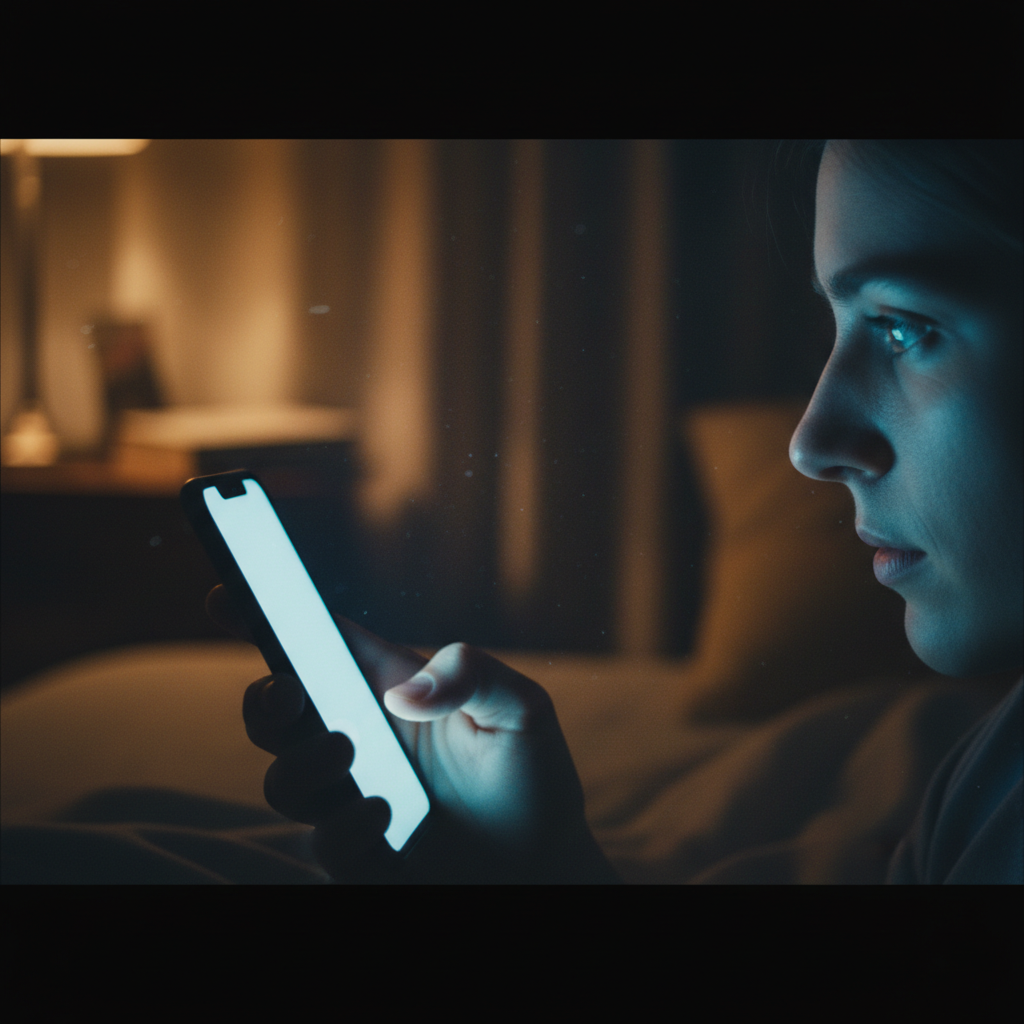
You pick up your phone. Just a quick scroll, you tell yourself. Maybe check a notification. An hour later, you're still there, lost in a feed of perfectly curated lives, urgent news alerts, and endless memes. It feels harmless, doesn't it? A quick escape, a way to stay connected. But beneath the shiny surface of likes and shares, social media is exacting a quiet, often invisible, toll on our physical and mental health. It's a pervasive presence, woven into the fabric of daily life for billions, and its true impact is only just beginning to surface.
For years, the conversation centered on screen time or cyberbullying, important issues, to be sure. But the deeper, more insidious effects — the subtle shifts in our brain chemistry, our sleep patterns, our very sense of self — often go unnoticed until they've settled in like unwelcome guests. We've built these incredibly powerful tools, yet we're still figuring out the instruction manual for our own well-being in their presence. It's not that simple, though. Social media isn't a monolith, and its effects aren't uniform. But the collective weight of constant digital engagement is undeniable.
Key Takeaways:
- Social media significantly impacts mental health, increasing anxiety, depression, and body image concerns through constant comparison.
- Physical health suffers from disrupted sleep, sedentary habits, and chronic strain from device use.
- Cognitive function, including attention span and deep focus, is eroding due to the fragmented nature of online engagement.
- Algorithms often feed addictive behaviors and reinforce negative content loops, making disengagement challenging.
- Mindful usage and setting firm digital boundaries are crucial for mitigating adverse health effects.
The Mental Health Maze
Let's start where many of us feel it most: our minds. The constant stream of idealized images, from vacation photos to career successes, fuels a relentless comparison trap. You know the feeling. You see someone's perfect life and suddenly your own feels a bit drab, a little less shiny. "We're seeing an unprecedented rise in anxiety linked directly to the curated realities presented online," explains Dr. Anya Sharma, a clinical psychologist specializing in digital wellness at the University of Brighton. "People aren't comparing their real lives to other real lives anymore; they're comparing their authentic, messy existence to someone else's highlight reel. It's a recipe for feeling inadequate."
This isn't just about fleeting moments of envy. Chronic exposure to these idealized versions of reality can contribute to genuine feelings of depression, lowered self-esteem, and a persistent sense of 'Fear Of Missing Out' (FOMO). Teenagers, whose identities are still forming, are particularly vulnerable. Studies have repeatedly shown a correlation between heavy social media use and increased rates of self-harm and suicidal ideation among adolescents. It's a sobering thought that the very platforms designed to connect us can leave us feeling profoundly isolated and alone.
Beyond the comparison, there's the relentless negativity. Online discourse often devolves into aggressive arguments, tribalism, and, yes, outright cyberbullying. For victims, the digital world offers no escape. The comments, the rumors, the threats — they can follow you into your home, into your bed, shattering peace and mental well-being. It creates a pervasive sense of unease, a constant state of low-level stress that our bodies and minds aren't designed to sustain.
The Physical Toll: More Than Just Eyestrain
While the mental impacts are often discussed, the physical consequences are equally concerning, yet frequently overlooked. Take sleep, for instance. That late-night scroll before bed? It's not just keeping your brain active. The blue light emitted from screens suppresses melatonin production, making it harder to fall asleep and disrupting your natural circadian rhythm. A 2023 study from the American Academy of Sleep Medicine found that individuals spending over three hours on social media after 9 PM reported an average of 45 minutes less quality sleep per night. Over time, that deficit accumulates, impacting everything from mood and concentration to immune function.
Then there's the sedentary lifestyle it promotes. Hours spent hunched over a phone or tablet mean less time moving, less time outside, and less physical activity. This isn't just a concern for weight gain; it impacts cardiovascular health, muscle strength, and even bone density. We're seeing an uptick in what experts call 'tech neck,' a painful condition caused by prolonged forward head posture. Carpal tunnel syndrome, repetitive strain injuries in the thumbs and wrists – these used to be issues primarily for office workers. Now, they're common complaints across all age groups heavily engaged with their devices. It all speaks to a fundamental shift in our daily physical habits and overall health.

The Cognitive Crunch
Our brains, too, are undergoing significant changes. Social media platforms are designed for quick hits of information, endless scrolling, and constant novelty. This environment trains our brains to expect instant gratification and rapid-fire stimulation. The result? A noticeable erosion of our collective attention spans. Deep reading, sustained focus on complex tasks, even prolonged conversations – these all become more challenging when our brains are rewired for constant interruption.
Professor Mark Jensen, a cognitive scientist at the University of California, Berkeley, highlights this shift. "The brain is incredibly adaptable, but that also means it adapts to the demands we place on it. If we're constantly switching contexts, consuming snippets, and reacting to notifications, we're strengthening those neural pathways, not the ones for sustained, deep thought. It impacts critical thinking, problem-solving, and even our capacity for empathy, as we spend less time truly listening and more time formulating our next 'take'." This isn't just about individual habits; it's a broader societal shift impacting the future of work and how we interact.
The Algorithmic Trap
It's easy to blame ourselves for excessive use, but we're up against incredibly sophisticated systems. Social media algorithms are designed to keep you engaged, to maximize your time on the platform. They learn your preferences, then feed you more of what keeps you scrolling, tapping, and reacting. Often, this means content that triggers strong emotions – outrage, fear, humor, or validation. The platforms aren't neutral conduits; they're actively shaping our information diets and, by extension, our emotional states.
This algorithmic feedback loop can create powerful, almost addictive, habits. Dopamine hits from likes and notifications are potent, and the variable reward schedule (you never know when the next 'like' will come) is a classic mechanism for habit formation. It’s a compelling argument for greater transparency in technology and how these systems operate.
Finding a Path Forward
It's important to acknowledge that social media isn't inherently evil. It offers incredible opportunities for connection, community building, learning, and advocacy. For many, it's a vital lifeline for staying in touch with loved ones, discovering new ideas, or finding support groups. The challenge lies in finding balance and using these tools intentionally, rather than letting them use us.
So, what's to be done? It starts with awareness. Recognizing the subtle ways these platforms influence your mood, your sleep, your focus. Then, it's about setting boundaries. That might mean:
- Designated 'no-phone' zones in your home, like the bedroom or dinner table.
- Scheduling specific times for checking social media, rather than endless, reactive scrolling.
- Turning off notifications for all but the most essential apps.
- Taking regular digital detoxes, even if it's just for an hour or a weekend.
- Curating your feed: unfollow accounts that make you feel inadequate or stressed; seek out content that genuinely uplifts or informs you. Education on digital literacy and media consumption is becoming as crucial as traditional literacy in our modern world, a vital education and skills component for everyone.
The platforms themselves bear some responsibility too. Calls for stricter regulations, greater transparency in algorithms, and features that genuinely promote well-being (rather than just engagement) are growing louder. But ultimately, the power to reclaim our health lies largely in our own hands.
Frequently Asked Questions:
- How does social media affect my sleep? The blue light from screens interferes with melatonin production, making it harder to fall asleep. Additionally, the mental stimulation of scrolling can keep your brain active, delaying the onset of sleep.
- Can social media really cause anxiety? Yes, constant exposure to idealized lives can fuel comparison and feelings of inadequacy, while the relentless negativity and potential for cyberbullying contribute to chronic stress and anxiety disorders.
- What's 'tech neck'? Tech neck refers to neck and upper back pain caused by prolonged forward-head posture while looking down at a smartphone or tablet. It can lead to headaches, shoulder pain, and spinal issues over time.
- Is it possible to use social media in a healthy way? Absolutely. The key is mindful and intentional use. Set time limits, turn off notifications, curate your feed to positive content, and prioritize real-world interactions over digital ones.
In the end, our relationship with social media is a complex one. It's a tool, not an enemy, but like any powerful tool, it demands respect and careful handling. Ignoring its hidden health impacts isn't an option. It's time we all became more conscious consumers of the digital world, safeguarding our health and well-being in an ever-connected age. Your peace of mind, your sleep, your very attention – they're all worth protecting from the unseen toll.