When Your Body Speaks Stress: Understanding Its Physical Language
That knot in your stomach, the persistent headache, or a racing heart. Your body's got a lot to say about stress, and it's time we listened more closely.
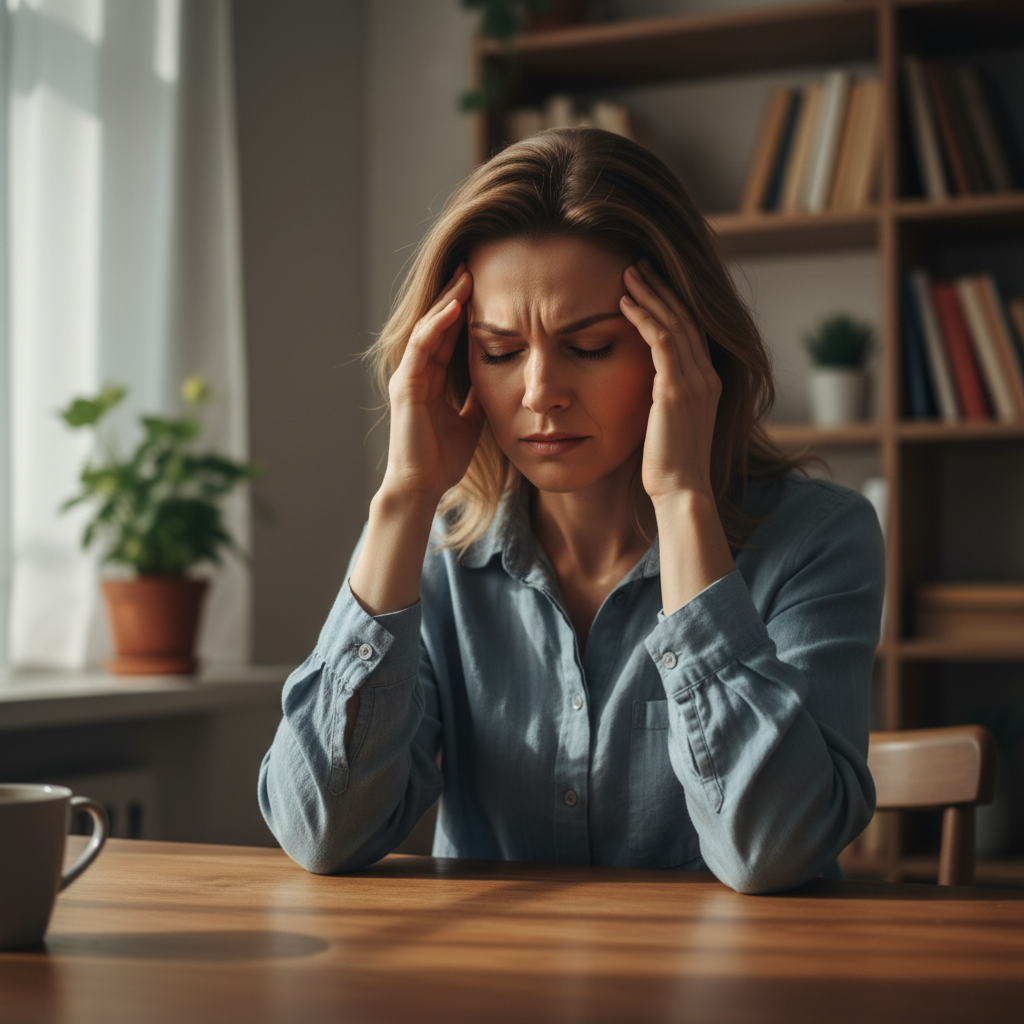
The alarm blares, you hit snooze, then panic. Deadlines loom, emails pile up, and the kids are… well, they’re being kids. That familiar clench in your jaw, the dull ache behind your eyes – these aren't just minor annoyances. They're your body's urgent dispatches, screaming that you're under too much pressure. We often dismiss these signals as 'just a bad day,' but ignoring them can set you on a path to chronic health issues. It's not just in your head; stress manifests profoundly in the physical. It can hijack your systems, from your gut to your skin, turning your own biology against you if left unchecked.
Key Takeaways:
- Stress isn't just mental; it causes real, measurable physical changes.
- Common symptoms include headaches, muscle tension, digestive issues, and skin problems.
- Chronic stress can weaken your immune system and increase inflammation.
- Ignoring physical stress signals can lead to serious long-term health complications.
- Understanding your body's warnings is the first step toward effective stress management.
Think about it: that stomach churn before a big presentation isn't just nerves. It's your sympathetic nervous system, the 'fight or flight' response, kicking into overdrive. Your body diverts blood away from non-essential functions, like digestion, and shunts it to your muscles, preparing you to run or fight. Trouble is, most modern stressors don't require you to outrun a saber-toothed tiger. Instead, you're sitting at a desk, fueled by adrenaline and cortisol, with nowhere for that energy to go. Over time, this constant state of alert wears down your systems, like an engine running redline for too long.
Dr. Elena Rodriguez, a clinical psychologist specializing in psychosomatic medicine at New Haven Medical Center, put it plainly during a recent interview. "People often come to me complaining of migraines or irritable bowel syndrome," she said. "They've been to every specialist, and often, the root cause points back to chronic, unmanaged stress. Their body is literally manifesting their internal turmoil." She noted that it's not a sign of weakness; it's a testament to the incredible, intricate connection between mind and body.
One of the most common physical expressions of stress is muscle tension. You might notice it in your neck and shoulders, a persistent stiffness that even a good massage can't quite banish. Or perhaps it's that grinding sensation in your jaw, especially at night. This isn't accidental. When stressed, your muscles naturally tense up, ready for action. If the stress never lets up, neither does the tension. This can lead to tension headaches, back pain, and even temporomandibular joint (TMJ) disorders. "I've seen patients whose chronic jaw pain completely resolved once they started incorporating daily meditation and mindfulness into their routine," Dr. Rodriguez added. "It's a powerful feedback loop."
Then there's the digestive system, a prime target for stress's unwelcome attention. You might experience anything from acid reflux and heartburn to diarrhea, constipation, or a perpetually upset stomach. Stress alters gut motility – how quickly food moves through your system – and can even change the composition of your gut microbiome. This isn't just uncomfortable; a disrupted gut can impact nutrient absorption and even influence your mood. "The gut-brain axis is a two-way street," explained Dr. Anika Sharma, a gastroenterologist at Pacific Health Systems. "Stress impacts the gut, and an unhealthy gut can exacerbate stress and anxiety. It's a vicious cycle that requires a holistic approach." Understanding this connection can be crucial for overall wellbeing.
Sleep is another major casualty. You might find yourself staring at the ceiling for hours, your mind racing, replaying conversations or anticipating future problems. Or you might fall asleep easily but wake up multiple times throughout the night, never quite reaching that deep, restorative sleep. This chronic sleep deprivation then creates its own cascade of problems: fatigue, irritability, difficulty concentrating, and a weakened immune system. It's a cruel irony: stress makes it hard to sleep, and lack of sleep makes you more susceptible to stress.

And what about your skin? Stress can be a dermatological nightmare. Flare-ups of acne, eczema, psoriasis, or even hives are common. The exact mechanisms are still being researched, but it's thought that stress hormones like cortisol can increase inflammation and oil production, and also compromise the skin's barrier function, making it more vulnerable to irritants and infections. It's frustrating, certainly, to deal with breakouts or rashes when you're already feeling overwhelmed. But seeing your skin react is another undeniable sign that your body is telling you something important.
Your immune system takes a hit too. Ever notice how you tend to get sick right after a period of intense stress, like finishing a big project or navigating a family crisis? That's not a coincidence. Chronic stress suppresses immune function, making you more vulnerable to colds, flu, and other infections. Cortisol, while helpful in short bursts, can dampen the effectiveness of your immune cells over time. This leaves your body less equipped to fight off pathogens and recover from illness. It's a sneaky way stress undermines your overall health.
Heart health is another critical area. While stress itself isn't directly a cause of heart disease in the same way high cholesterol or smoking are, chronic stress can contribute to risk factors. It can elevate blood pressure, increase heart rate, and lead to unhealthy coping mechanisms like overeating, smoking, or excessive alcohol consumption, all of which strain the cardiovascular system. Learning to manage these physical responses to stress is vital for long-term health.
So, what do you do? The first step is acknowledging these physical symptoms for what they are: warnings. They're not just random aches or passing discomforts. They're messages. Start by paying attention to your body. Where do you hold tension? How's your digestion doing? Are you sleeping soundly? Keeping a stress journal can be incredibly illuminating, helping you connect certain stressors to specific physical reactions. Once you identify these patterns, you can begin to proactively address them.
This might mean incorporating daily relaxation techniques like deep breathing, yoga, or meditation. It could involve ensuring you get regular physical activity – even a 30-minute walk can work wonders. Establishing healthy boundaries at work and in your personal life is crucial. And sometimes, it means seeking professional help, whether it's therapy to learn coping strategies or consulting with your doctor to rule out other medical issues. Don't underestimate the power of these signals; your body is a sophisticated machine, and it's trying to tell you something important. Listen to it. Your health depends on it. The impact of these lifestyle changes on cognitive function is also significant.
Frequently Asked Questions:
What's the difference between acute and chronic stress symptoms? Acute stress symptoms are short-lived and typically resolve once the stressful event passes. Think a racing heart before a presentation. Chronic stress, however, involves prolonged exposure to stressors, leading to persistent symptoms like ongoing headaches, digestive issues, or weakened immunity.
Can stress cause me to gain weight? Yes, it can. Chronic stress can increase levels of cortisol, a hormone that promotes fat storage, especially around the abdomen. It can also lead to emotional eating and disrupt metabolism, contributing to weight gain.
When should I see a doctor for stress symptoms? If your physical symptoms are persistent, severe, or significantly interfering with your daily life, it's definitely time to see a doctor. They can help rule out other medical conditions and guide you toward appropriate stress management strategies, or refer you to a specialist.
Are there any natural remedies for physical stress symptoms? While not a substitute for medical advice, many people find relief with natural approaches. Regular exercise, a balanced diet, adequate sleep, mindfulness practices like meditation, spending time in nature, and certain herbal supplements (like adaptogens, under professional guidance) can help reduce physical stress manifestations.