When Your Gut Speaks: Decoding the Silent Signals of Poor Digestive Health
Ever wonder why you're always tired or your skin's breaking out? Your gut might be trying to tell you something important. It's more than just digestion.

Sarah, a 34-year-old marketing manager, used to joke that her stomach had a mind of its own. Bloating after almost every meal, persistent fatigue that no amount of coffee could fix, and an unpredictable mood swing or two a day were just 'her normal.' She’d pop antacids like candy and blame her diet or stress, never quite connecting the dots. It’s a common story, one that plays out in millions of homes and offices every day. We often dismiss these nagging discomforts as minor inconveniences, but what if they're actually urgent messages from our bodies, specifically our gut?
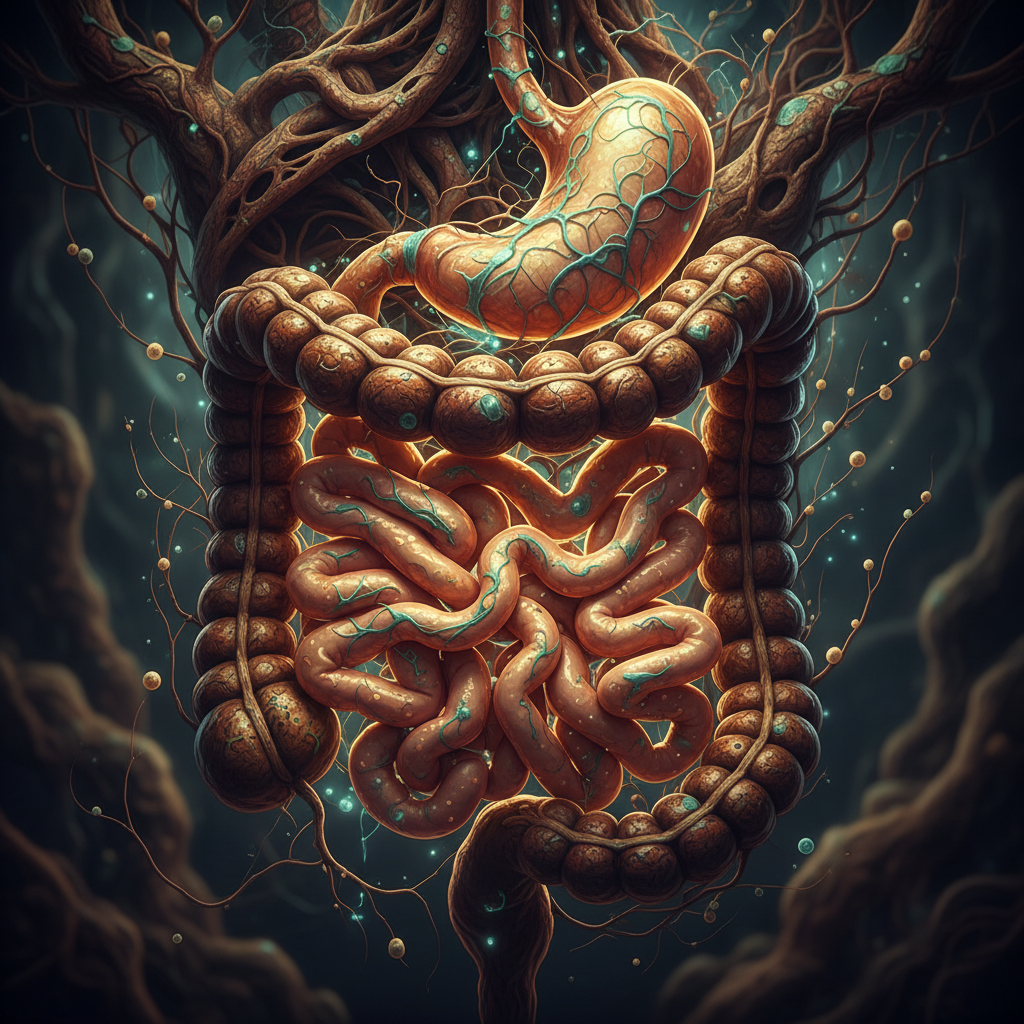
Our gut, or more accurately, our gastrointestinal tract, is a bustling metropolis of trillions of bacteria, fungi, and other microorganisms. This complex ecosystem, known as the gut microbiome, plays an outsized role in our overall health – far beyond just digesting food. It influences our immune system, mood, metabolism, and even our brain function. When this delicate balance is thrown off, the repercussions can ripple through your entire system, manifesting in ways you might never attribute to your digestive health. Dr. Anya Sharma, a gastroenterologist at Mount Sinai Hospital in New York, puts it plainly: “Think of your gut as your body’s second brain. If it’s not happy, you’re not going to be happy, both physically and mentally.”
Key Takeaways:
- Persistent digestive issues like bloating, gas, and irregular bowel movements are clear signs of an unhappy gut.
- Beyond digestion, watch for skin problems, chronic fatigue, and even mood changes, as these can also signal gut imbalances.
- A compromised gut can weaken your immune system, making you more susceptible to illness.
- Lifestyle choices, stress, and diet are major factors influencing gut health; small changes can make a big difference.
So, how do you know if your gut is trying to send you an SOS? The signs aren't always a dramatic stomachache. Sometimes, they're subtle, insidious, and easily mistaken for other issues. Let’s dive into some of the most common, yet often overlooked, indicators that your gut might be in distress.
Digestive Discomforts: The Obvious Signals
This is where most people start connecting the dots. If you’re experiencing frequent gas, bloating, diarrhea, or constipation, your gut is definitely waving a red flag. “It’s not normal to feel bloated after every meal,” emphasizes Dr. Sharma. “Occasional gas is one thing, but if it’s a daily occurrence, or if you’re constantly swinging between constipation and diarrhea, that’s a sign your digestive process isn’t working efficiently.” These symptoms can be indicative of dysbiosis – an imbalance of gut bacteria – or even underlying conditions like Irritable Bowel Syndrome (IBS) or food sensitivities.
Unexplained Fatigue and Poor Sleep
Remember Sarah’s chronic tiredness? It’s a common complaint among those with gut issues. Your gut produces much of your body’s serotonin, a hormone that influences mood and sleep. A disrupted gut can mean disrupted serotonin production, leading to fatigue and difficulty sleeping. Moreover, inflammation in the gut can divert energy away from other bodily functions, leaving you feeling drained. It’s a vicious cycle: poor sleep can further impair gut health, creating a snowball effect.
Skin Problems: Your Gut’s External Report Card
Acne, eczema, psoriasis – these skin conditions often have roots deeper than just topical issues. The gut-skin axis is a well-established connection. An imbalanced microbiome can lead to inflammation that manifests on your skin. When your gut lining is compromised, often referred to as 'leaky gut,' undigested food particles and toxins can escape into the bloodstream, triggering systemic inflammation and immune responses that show up as skin flare-ups. "I've seen patients clear up chronic acne just by addressing their gut health," says Dr. Emily Parker, a dermatologist based in Austin, Texas. "It's truly remarkable how interconnected everything is."
Mood Swings and Mental Fog
Ever felt 'gut-wrenching' anxiety? It's not just an idiom. The gut-brain axis is a direct communication pathway between your digestive system and your central nervous system. A healthy gut contributes to the production of neurotransmitters like serotonin and dopamine, which regulate mood. When this system is out of whack, you might experience increased anxiety, depression, irritability, and even brain fog – that frustrating feeling of not being able to concentrate or think clearly. This connection is so profound that some researchers are exploring the gut microbiome's role in mental health disorders.
Frequent Illnesses: A Weakened Immune System
Did you know that about 70% of your immune system resides in your gut? A diverse and healthy gut microbiome is crucial for a strong immune response. If your gut bacteria are out of balance, your immune system can be compromised, making you more susceptible to colds, flu, and other infections. If you find yourself catching every bug that goes around, it might be time to look at your gut health. "A robust gut flora acts like a shield," explains Dr. Sharma. "When that shield is weak, you're exposed."
Unexplained Weight Changes
Struggling to lose weight despite dieting, or gaining weight without a clear reason? Your gut could be a factor. Certain gut bacteria can influence how your body stores fat, how it responds to insulin, and how it absorbs nutrients. An unhealthy microbiome can contribute to metabolic dysfunction, making weight management a constant battle. This is an area of intense research, with fascinating implications for future health interventions.
Food Intolerances and Sensitivities
If certain foods consistently make you feel unwell – not necessarily an allergic reaction, but rather symptoms like bloating, stomach pain, or fatigue – it could indicate a gut sensitivity. A compromised gut lining might not be able to process certain compounds effectively, leading to these adverse reactions. It’s different from a full-blown allergy, which involves an immediate immune response, but it can be just as disruptive to your daily life. Many people report significant relief by working with a nutritionist to identify and eliminate trigger foods.
Bad Breath and Oral Health Issues
While oral hygiene is paramount, persistent bad breath (halitosis) that doesn't improve with brushing and flossing can sometimes originate in the gut. An imbalance of bacteria in the digestive tract can lead to the production of volatile sulfur compounds that travel up the esophagus, causing unpleasant breath. Similarly, some gut issues can be linked to other oral health problems, hinting at a broader systemic issue.
What Can You Do?
If you recognize several of these signs, don’t panic. The good news is that your gut microbiome is incredibly resilient and responsive to change. Start with small, consistent steps. Consider increasing your intake of fiber-rich foods like fruits, vegetables, and whole grains. Fermented foods – think yogurt, kimchi, sauerkraut, and kefir – are packed with beneficial probiotics. Reducing processed foods, sugar, and artificial sweeteners can also make a significant difference. Managing stress through practices like meditation or yoga is vital, as stress directly impacts gut function. And don’t underestimate the power of regular exercise; physical activity can positively influence gut diversity. Sometimes, talking to a doctor or a registered dietitian is the best first step. They can help you identify specific triggers and craft a personalized plan. It's an investment in your overall well-being, one that often pays dividends across many aspects of your life. The journey to a happier gut is a journey to a healthier you.
Frequently Asked Questions:
Is a 'leaky gut' a real medical condition? While 'leaky gut syndrome' isn't a formally recognized medical diagnosis, the concept of increased intestinal permeability (where the gut lining becomes more porous) is very real and is being actively researched for its role in various autoimmune and inflammatory conditions.
Can probiotics fix all my gut problems? Probiotics can be beneficial for many, helping to introduce good bacteria. However, they're not a magic bullet. For significant gut issues, a holistic approach involving diet, lifestyle changes, and professional medical advice is often necessary. Always consult a healthcare provider before starting new supplements.
How quickly can I see improvements after making gut-friendly changes? Some people notice improvements in as little as a few days to a couple of weeks, especially with digestive symptoms. More profound changes, like improved skin or energy levels, might take several weeks to months as your microbiome rebalances and your body heals.
What are some common foods that harm gut health? Highly processed foods, excessive sugar, artificial sweeteners, too much red meat, and a diet low in fiber can all negatively impact your gut microbiome over time. Certain medications, like broad-spectrum antibiotics, can also disrupt the delicate balance of gut bacteria.