The Post-Meal Slump: Why You Feel So Tired After Eating
Ever wonder why a big meal leaves you ready for a nap? It's not just "food coma." We dig into the science and simple fixes for that post-eating fatigue.

You’ve just finished a perfectly satisfying lunch. Maybe it was a hefty pasta dish, or a burger with fries. And now? All you want to do is find the nearest couch and drift off. That heavy, sluggish feeling – often dubbed a “food coma” – isn't just in your head. It’s a real physiological response, and it’s something a lot of us experience. But why does it happen? And more importantly, what can we do about it?
It turns out, there's a good bit of science behind that post-meal fatigue. It’s not just a sign you ate too much, though that can certainly contribute. Your body is a complex machine, and digestion is a surprisingly energy-intensive process that kicks off a whole cascade of internal events. Understanding these can help you better manage your energy levels throughout the day.
Key Takeaways:
- Post-meal tiredness, or "food coma," is a common physiological response to digestion.
- High-carb, high-fat meals trigger specific hormonal shifts that can induce drowsiness.
- Blood sugar fluctuations play a big role; managing them can reduce fatigue.
- Lifestyle changes like meal timing, portion control, and hydration make a significant difference.
- Persistent extreme fatigue might signal an underlying health issue.
First, let's talk about the big players: tryptophan and serotonin. You've probably heard of turkey making you sleepy because of tryptophan. It's partially true, but it's not just turkey. Tryptophan is an amino acid found in many protein-rich foods, and it's a precursor to serotonin, a neurotransmitter that helps regulate sleep and mood. Serotonin, in turn, can be converted into melatonin, the hormone that tells your body it’s time to sleep. Now, here’s the kicker: when you eat a meal rich in carbohydrates, your body releases insulin. Insulin’s job is to move glucose from your blood into your cells, but it also has another effect. It helps clear other amino acids from your bloodstream, making it easier for tryptophan to cross the blood-brain barrier. More tryptophan in the brain means more serotonin, and potentially more melatonin, leading to that sleepy feeling. "It's a subtle but powerful biochemical dance," explains Dr. Anya Sharma, a clinical nutritionist at the Cleveland Clinic. "The combination of carbs and protein really sets the stage for that drowsiness." Read more about the body's internal clock and hormones here.
But it's not just about tryptophan. Blood sugar plays a massive role. When you consume a meal, especially one high in simple carbohydrates (think white bread, sugary drinks, pastries), your blood sugar levels can spike rapidly. In response, your pancreas pumps out a surge of insulin to bring those levels down. Sometimes, the insulin response can be a bit overenthusiastic, leading to a subsequent dip in blood sugar – a crash, if you will. This hypoglycemic state can leave you feeling drained, shaky, and, yes, incredibly tired. It's like your body just ran a sprint and now it needs to recover. This is why a donut for breakfast might give you a quick energy boost, but an hour later, you're dragging.
Then there's the redirection of blood flow. Digestion is a major task. After you eat, your body diverts a significant portion of its blood supply to your digestive system to help break down and absorb nutrients. This means less blood is available for other functions, including circulating to your brain. This reduction in cerebral blood flow can contribute to that hazy, fatigued sensation. Think of it like a computer allocating most of its processing power to one intensive task; other applications might slow down.
What you eat really matters. Meals high in fat also take longer to digest, demanding more energy from your body over a longer period. This prolonged digestive effort can contribute to sustained fatigue. And let's not forget portion sizes. A massive meal simply requires more work from your digestive system, intensifying all these effects. "I tell my patients to think of digestion as a marathon, not a sprint," says Dr. Mark Jensen, a gastroenterologist practicing in Denver. "Overloading your system with a huge meal is like making it run with ankle weights on."
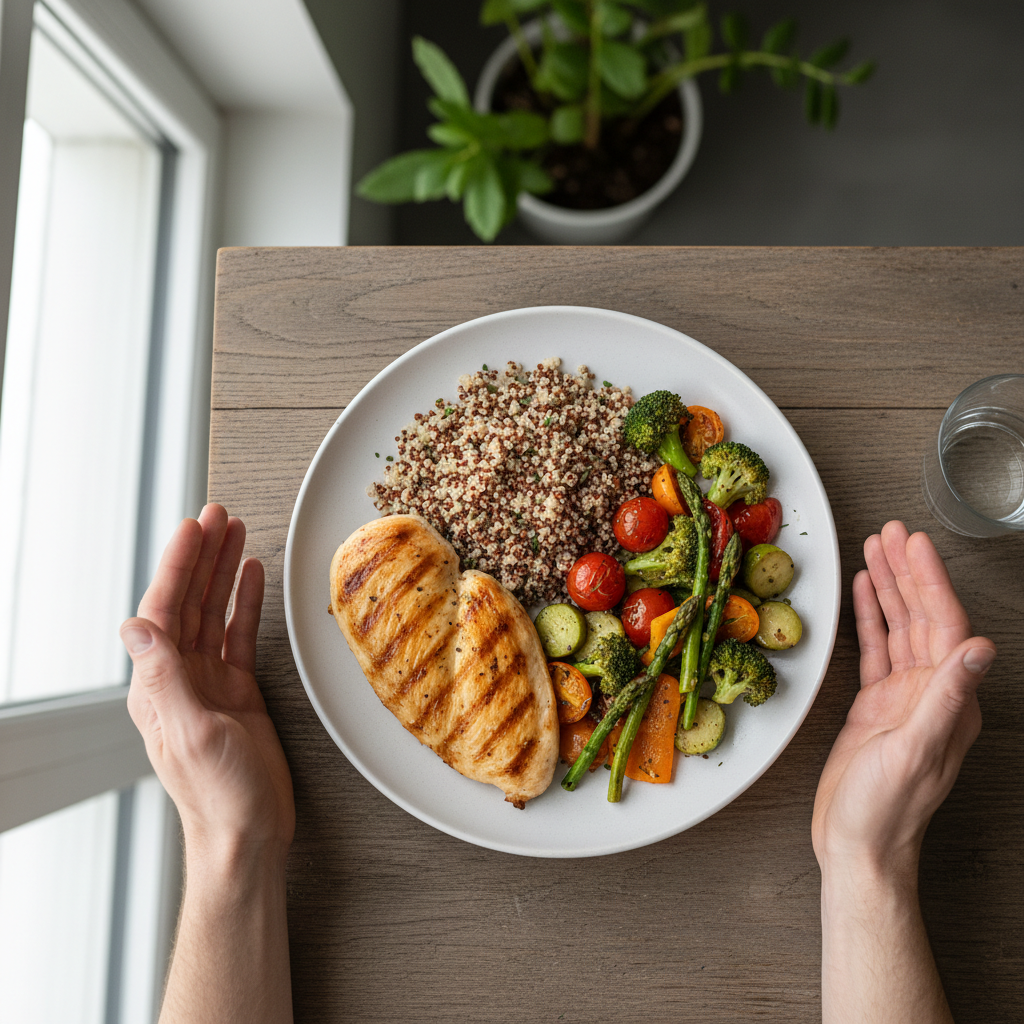
So, what's a person to do? You can't just stop eating, obviously. But you can make smarter choices. One of the simplest changes is to prioritize balanced meals. Aim for a good mix of lean protein, complex carbohydrates, and healthy fats. Complex carbs, like whole grains, vegetables, and legumes, are digested more slowly, leading to a more gradual rise and fall in blood sugar. This helps prevent those sharp energy spikes and subsequent crashes. For instance, swapping that white bread sandwich for one on whole wheat, or adding a side of quinoa to your chicken, can make a real difference.
Mindful eating is another powerful tool. Eating slowly and paying attention to your body's hunger and fullness cues can help prevent overeating. When you scarf down your food, you're not giving your body time to register satiety, often leading to consuming more than you actually need. And don't forget hydration. Dehydration can mimic fatigue, so ensure you're drinking enough water throughout the day, especially around mealtimes. Sometimes, that tired feeling isn't even about food, it's just plain thirst.
Timing your meals can also be beneficial. Eating heavy meals too close to bedtime can disrupt sleep, leading to fatigue the next day. Try to have your last substantial meal a few hours before you plan to sleep. And don't underestimate the power of movement. A short walk after a meal can help with digestion and blood sugar regulation, counteracting that sluggish feeling. It doesn't have to be a vigorous workout; even a ten-minute stroll around the block can make a difference. "It's about gently coaxing your body back to equilibrium, not shocking it," advises physical therapist Sarah Chen, based in Seattle.
It's important to remember that while occasional post-meal fatigue is normal, persistent or severe tiredness after every meal could be a sign of an underlying health issue. Conditions like insulin resistance, celiac disease, food intolerances, sleep apnea, or even an underactive thyroid can manifest with post-meal lethargy. If you're consistently feeling exhausted, despite making dietary and lifestyle changes, it's always a good idea to chat with your doctor. They can help rule out any medical conditions and provide personalized advice.
Ultimately, understanding why you feel tired after eating is the first step toward managing it. It’s about making informed choices that support your body’s natural rhythms rather than fighting against them. A little planning, a lot of balance, and a touch of mindfulness can go a long way in keeping you energized throughout your day, even after a delicious meal. It’s not that you can’t enjoy your food; it’s about enjoying it smarter.
Frequently Asked Questions:
-
Is a "food coma" dangerous? No, an occasional food coma isn't dangerous. It's a normal physiological response. However, if it's severe, frequent, or accompanied by other symptoms, it's worth discussing with a healthcare professional to rule out underlying conditions.
-
What foods are most likely to cause post-meal tiredness? Foods high in simple carbohydrates (like white bread, sugary snacks, pasta) and high in fat (fried foods, heavy sauces) are the biggest culprits. The combination of both, especially in large portions, tends to amplify the sleepy effect.
-
Can drinking coffee after a meal help? Coffee or other caffeinated beverages can temporarily mask the fatigue, but they don't address the underlying physiological processes. Relying heavily on caffeine might disrupt your natural sleep cycle or lead to other issues, so it's not a long-term solution.
-
How quickly should I feel better after a food coma? Typically, the most intense fatigue lasts for about an hour or two after a large meal. However, this can vary widely based on the size and composition of the meal, as well as individual metabolism and overall health. Gentle activity can often shorten the duration.